


For months, Edward (Ed) Waldner knew something was wrong. The 55-year-old always felt drained, no matter how much or how little activity he did during the day. He wondered if sleep apnea was to blame. He also noticed subtle changes in his gait, such as when his heels seemed to be dragging.
One day, when her symptoms got particularly severe, Waldner went to the emergency room to get tested.
“The doctor said I had a mass on my brain and needed to see an oncologist,” Waldner said.
The mass turned out to be a glioblastoma, an aggressive and often fatal brain tumor. Standard treatment usually includes surgery to remove as much of the tumor as possible, followed by radiation therapy and chemotherapy. However, even with these treatments, cancer frequently returns.
Testing for vitamin B3 as a treatment for glioblastoma
Researchers at the University of Calgary are studying whether vitamin B3, also known as niacin, can improve outcomes when added in high doses to traditional glioblastoma treatments. Waldner was invited to participate in a clinical trial.
“There’s nothing wrong with trying to help someone, and I agreed. I want to help myself,” Waldner said. “I can say that being part of this study is helping us emotionally, because we are trying. When I left the hospital after the surgery, I was told, “That’s it, this is all we can do.”
This research is led by Drs. Gloria Roldan Urgoiti, MD, and Wee Yong, PhD, are both members of the Hotchkiss Brain Institute and the Ernie Charbonneau Cancer Institute. Roldan Urgoiti is a brain tumor expert and Yong is a neuroscientist whose research focuses on how the immune system affects the brain.
Together, they developed a research program to determine whether niacin could restore function to weakened immune cells and help destroy tumor cells. The project began in Yong’s lab using mice. Early experiments showed that niacin increased survival, prompting the team to begin Phase I and II clinical trials in humans.
wake up the immune system
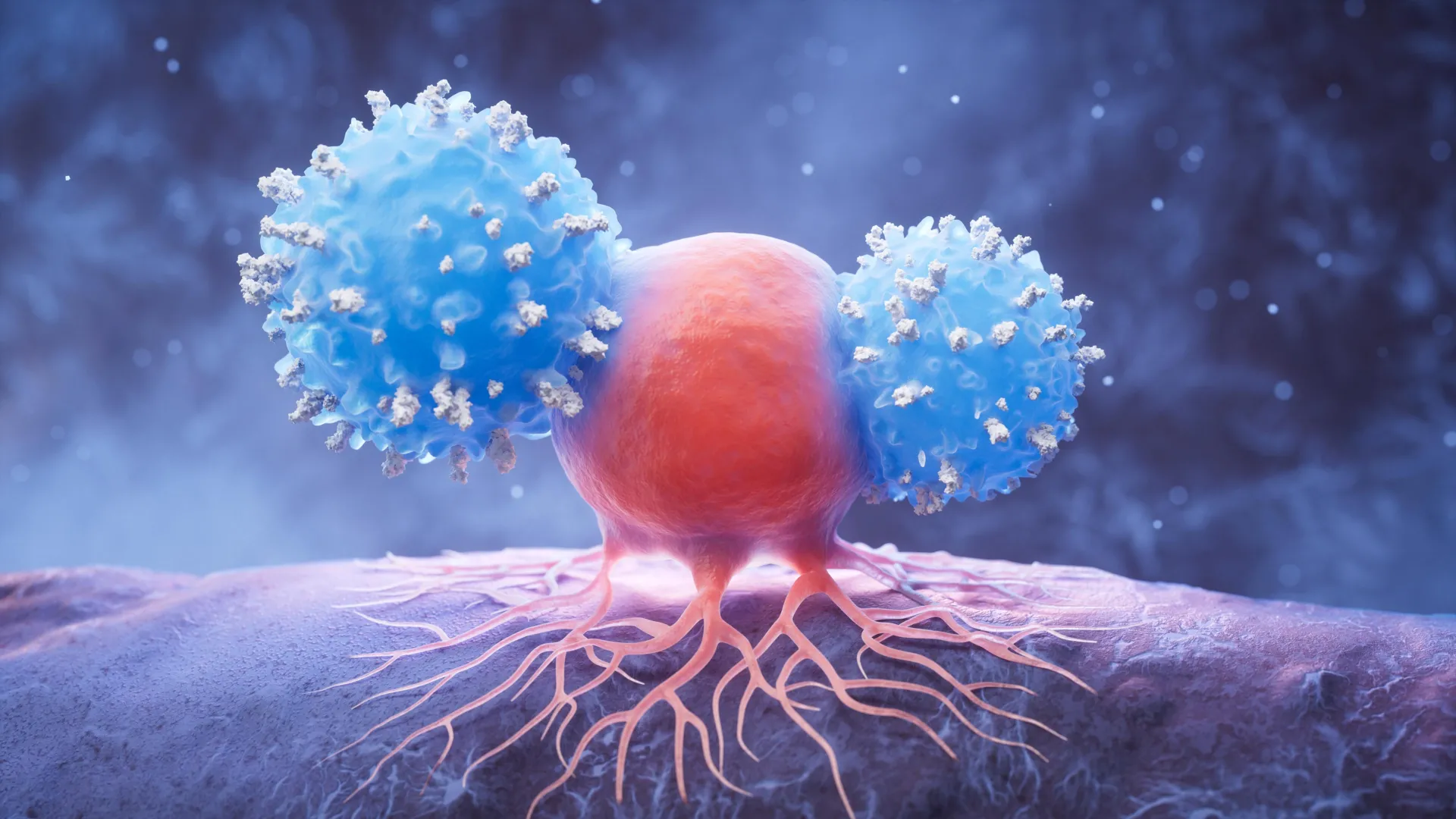
“Normally, the immune system tries to fight and stop tumor growth, but this brain tumor suppresses the immune system,” says Professor Yong from the Cumming School of Medicine (CSM). “Niacin treatment rejuvenates immune cells so they can do their job and attack and kill cancer cells. I see this as an ongoing ‘battle of the brain’.”
This clinical trial was designed to identify the highest safe dose and evaluate the potential benefits of controlled-release niacin when combined with standard chemotherapy and radiation therapy. The researchers established a benchmark before beginning the study. The trial will be stopped if progression-free survival after 6 months does not improve by at least 20 percent compared to previous studies.
Initial findings from 24 patients exceeded that goal. At 6 months, 82% of participants showed no signs of disease progression. This represents a 28% improvement compared to previous studies. Researchers believe the results are encouraging for a cancer that remains incurable.
Promising early results for advanced brain tumors
“Glioblastoma is the most aggressive brain tumor in adults. The survival rate for patients with this disease has not changed significantly in 20 years,” said Roldan Urgoiti, clinical associate professor at CSM. “Anything that could help should be considered, but it requires strict protocols and safety monitoring.”
The survey results are Journal of Neuro-Oncology.
Researchers stress that high doses of vitamins containing niacin can be toxic and can cause harm if not closely monitored by medical professionals.
The study continues, and the team hopes to complete the final analysis after enrolling 48 participants by the end of 2026 or early 2027.
As for Waldner, he says he’s been doing really well lately. He was just grateful to hear the word “stable” from his medical team during a routine follow-up visit.
This research was supported by the Canadian Institutes of Health Research and the Alberta Cancer Foundation.
