

Close Menu

    Subscribe to Updates

    Get the latest creative news from FooBar about art, design and business.

    What's Hot

    New surgical method reduces persistent knee arthritis pain without surgery

    June 17, 2026

    Research shows how career interests influence major life choices over decades

    June 17, 2026

    10 surprising connections between diabetes and dementia

    June 17, 2026
    Facebook X (Twitter) Instagram
    Facebook X (Twitter) Instagram
    Health Magazine
    • Home
    • Environmental Health
    • Health Technology
    • Medical Research
    • Mental Health
    • Nutrition Science
    • Pharma
    • Public Health
    • Discover
      • Daily Health Tips
      • Financial Health & Stability
      • Holistic Health & Wellness
      • Mental Health
      • Nutrition & Dietary Trends
      • Professional & Personal Growth
    • Our Mission
    Health Magazine
    Home » News » 10 surprising connections between diabetes and dementia
    Nutrition Science

    10 surprising connections between diabetes and dementia

    healthadminBy healthadminJune 17, 2026No Comments4 Mins Read
    10 surprising connections between diabetes and dementia
    Share
    Facebook Twitter Reddit Telegram Pinterest Email


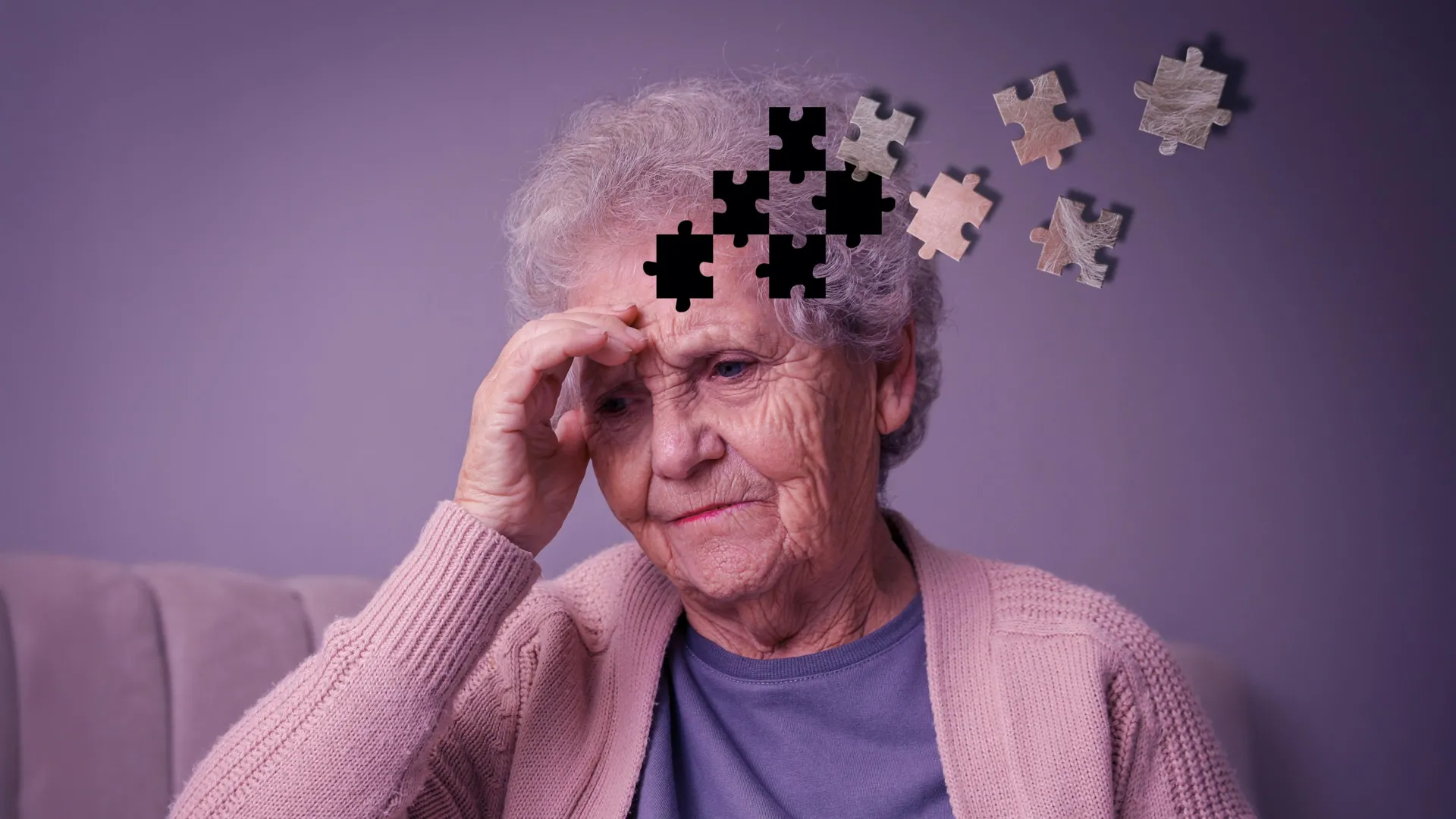
    The link between diabetes and dementia is becoming increasingly clear. New research shows how blood sugar problems can affect brain health and vice versa. Here are 10 evidence-based insights into how the two conditions are related.

    1. Diabetes increases the risk of dementia

    People with diabetes are about 60% more likely to develop dementia than people without diabetes, and frequent hypoglycemia is 50% more likely to have cognitive decline.

    2. Insulin resistance also affects the brain

    Insulin resistance, the main cause of type 2 diabetes, occurs when cells no longer respond properly to insulin. This means that excess sugar in the form of glucose remains in the blood and causes complications.

    It usually affects the liver and muscles, but can also affect the brain. In Alzheimer’s disease, this resistance makes it difficult for brain cells to use glucose for energy, which can lead to cognitive decline.

    3. Brain sugar deficiency in dementia

    The brain only makes up 2% of your body weight, but uses about 20% of your energy. In dementia, brain cells appear to lose the ability to properly utilize glucose.

    This combination of inappropriate glucose use and insulin resistance is sometimes informally referred to as type 3 diabetes.

    4. Alzheimer’s disease may increase your risk of diabetes

    People with Alzheimer’s disease often have high fasting blood sugar levels, even if they do not have diabetes. This is a type of prediabetes. Animal studies have also shown that Alzheimer’s disease-like changes in the brain can increase blood sugar levels.

    The APOE4 genetic variation, the highest genetic risk factor for Alzheimer’s disease, also reduces insulin sensitivity by trapping insulin receptors in cells that cannot properly switch on.

    5. Vascular damage is associated with both conditions.

    Diabetes damages blood vessels and causes complications with the eyes, kidneys, and heart. The brain is also at risk. High or fluctuating blood sugar levels can damage blood vessels in the brain, reducing blood flow and oxygen supply.

    Diabetes can also weaken the brain’s protective barrier, allowing harmful substances to enter and causing inflammation. Reduced blood flow and brain inflammation are strongly associated with dementia.

    6. Memantine: A dementia treatment born from diabetes research

    Memantine, used to treat moderate to severe Alzheimer’s disease symptoms, was originally developed as a diabetes treatment. Although it was not successful in controlling blood sugar levels, researchers later discovered benefits for brain function. This story shows how diabetes research holds hints for treating brain diseases.

    7. Metformin may protect the brain

    Metformin, the most widely used diabetes drug, does more than lower blood sugar levels. It can enter the brain and reduce inflammation in the brain.

    Some studies suggest that people with diabetes who take metformin are less likely to develop dementia, and that the risk may increase again if they stop taking it.

    In clinical trials, we are verifying its effectiveness in people without diabetes.

    8. Weight loss injections may reduce plaque buildup

    GLP-1 receptor agonists, such as semaglutide (Ozempic, Wegovy), lower blood sugar levels and support weight loss. Records show that people with diabetes who take these drugs have a lower risk of dementia. A study comparing GLP1 drugs and metformin found that it was even more effective than metformin in reducing dementia risk.

    Two major trials, Evoke and Evoke Plus, are testing oral semaglutide in patients with mild cognitive impairment or early mild Alzheimer’s disease.

    9. Insulin therapy may help the brain

    Because insulin resistance in the brain is a problem, researchers tested an insulin spray administered through the nose. This method delivers insulin directly to the brain with less impact on blood sugar.

    Small studies suggest these sprays may improve memory and reduce brain atrophy, but challenges remain with how they’re administered. Different sprays deliver different amounts of insulin to the brain, but long-term safety has not yet been proven.

    10. SGLT2 inhibitors may reduce dementia risk

    New evidence suggests that compared to GLP-1 receptor agonists, SGLT2 inhibitors (a type of diabetes drug) are better at reducing the risk of dementia, including Alzheimer’s disease and vascular dementia, in people with type 2 diabetes. These tablets lower blood sugar levels by increasing the removal of sugar in the urine. The study builds on early evidence suggesting that reducing inflammation in the brain may lower the risk of dementia.

    This growing body of evidence suggests that managing diabetes not only protects the heart and kidneys, but also helps maintain brain function.

    The question remains whether diabetes drugs only reduce the risk of diabetes-related dementia, or whether they can also reduce the risk in people without diabetes.

    However, diabetes research has been highly successful in creating at least 13 different classes of drugs, multiple combination therapies, and at least 50 different drugs. They lower blood sugar levels, improve insulin sensitivity, and reduce inflammation. As a “side effect,” it may help your brain stay in better shape as you age.conversation


    Source link

    Visited 3 times, 3 visit(s) today
    Share. Facebook Twitter Pinterest LinkedIn Telegram Reddit Email
    Previous ArticleScientists have discovered hidden clues to early depression in children’s eyes
    Next Article Research shows how career interests influence major life choices over decades
    healthadmin

    Related Posts

    New surgical method reduces persistent knee arthritis pain without surgery

    June 17, 2026

    Scientists have discovered hidden clues to early depression in children’s eyes

    June 17, 2026

    Most people who discontinue GLP-1 drugs like Ozempic eventually relapse

    June 16, 2026

    New study investigates possible cross-species spread of chronic wasting disease

    June 16, 2026

    Scientists have discovered a way to explain flocks of birds that ‘defies’ Newton’s third law

    June 16, 2026

    Scientists have discovered the hidden weakness of eternal chemicals

    June 16, 2026
    Add A Comment
    Leave A Reply Cancel Reply

    Categories

    • Daily Health Tips
    • Discover
    • Environmental Health
    • Exercise & Fitness
    • Featured
    • Featured Videos
    • Financial Health & Stability
    • Fitness
    • Fitness Updates
    • Health
    • Health Technology
    • Healthy Aging
    • Healthy Living
    • Holistic Healing
    • Holistic Health & Wellness
    • Medical Research
    • Medical Research & Insights
    • Mental Health
    • Mental Wellness
    • Natural Remedies
    • New Workouts
    • Nutrition
    • Nutrition & Dietary Trends
    • Nutrition & Superfoods
    • Nutrition Science
    • Pharma
    • Preventive Healthcare
    • Professional & Personal Growth
    • Public Health
    • Public Health & Awareness
    • Selected
    • Sleep & Recovery
    • Top Programs
    • Weight Management
    • Workouts
    Popular Posts
    • 1773313737_bacteria_-_Sebastian_Kaulitzki_46826fb7971649bfaca04a9b4cef3309-620x480.jpgHow Sino Biological ProPure™ redefines ultra-low… March 12, 2026
    • pexels-david-bartus-442116The food industry needs to act now to cut greenhouse… January 2, 2022
    • 1773729862_TagImage-3347-458389964760995353448-620x480.jpgDespite safety concerns, parents underestimate the… March 17, 2026
    • 1773209206_futuristic_techno_design_on_background_of_supercomputer_data_center_-_Image_-_Timofeev_Vladimir_M1_4.jpegMulti-agent AI systems outperform single models… March 11, 2026
    • 1774403998_image_28620e4b6b0047f7ab9154b41d739db1-620x480.jpgGait pattern helps distinguish between Lewy body… March 24, 2026
    • the-pros-and-cons-of-paleo-dietsThe Pros and Cons of Paleo Diets: What Science Really Says April 16, 2025

    Demo
    Stay In Touch
    • Facebook
    • Twitter
    • Pinterest
    • Instagram
    • YouTube
    • Vimeo
    Don't Miss

    New surgical method reduces persistent knee arthritis pain without surgery

    By healthadminJune 17, 2026

    Minimally invasive surgery that blocks abnormal blood vessels around the knee may provide long-term symptom…

    Research shows how career interests influence major life choices over decades

    June 17, 2026

    10 surprising connections between diabetes and dementia

    June 17, 2026

    Scientists have discovered hidden clues to early depression in children’s eyes

    June 17, 2026

    Subscribe to Updates

    Get the latest creative news from SmartMag about art & design.

    HealthxMagazine
    HealthxMagazine

    At HealthX Magazine, we are dedicated to empowering entrepreneurs, doctors, chiropractors, healthcare professionals, personal trainers, executives, thought leaders, and anyone striving for optimal health.

    Our Picks

    Scientists have discovered hidden clues to early depression in children’s eyes

    June 17, 2026

    A 3-minute smartphone game can detect the subtle cognitive mechanisms behind depression

    June 16, 2026

    Heart tissue repair drugs may also help repair and regenerate damaged kidney tissue

    June 16, 2026
    New Comments
      Facebook X (Twitter) Instagram Pinterest
      • Home
      • Privacy Policy
      • Our Mission
      © 2026 ThemeSphere. Designed by ThemeSphere.

      Type above and press Enter to search. Press Esc to cancel.