


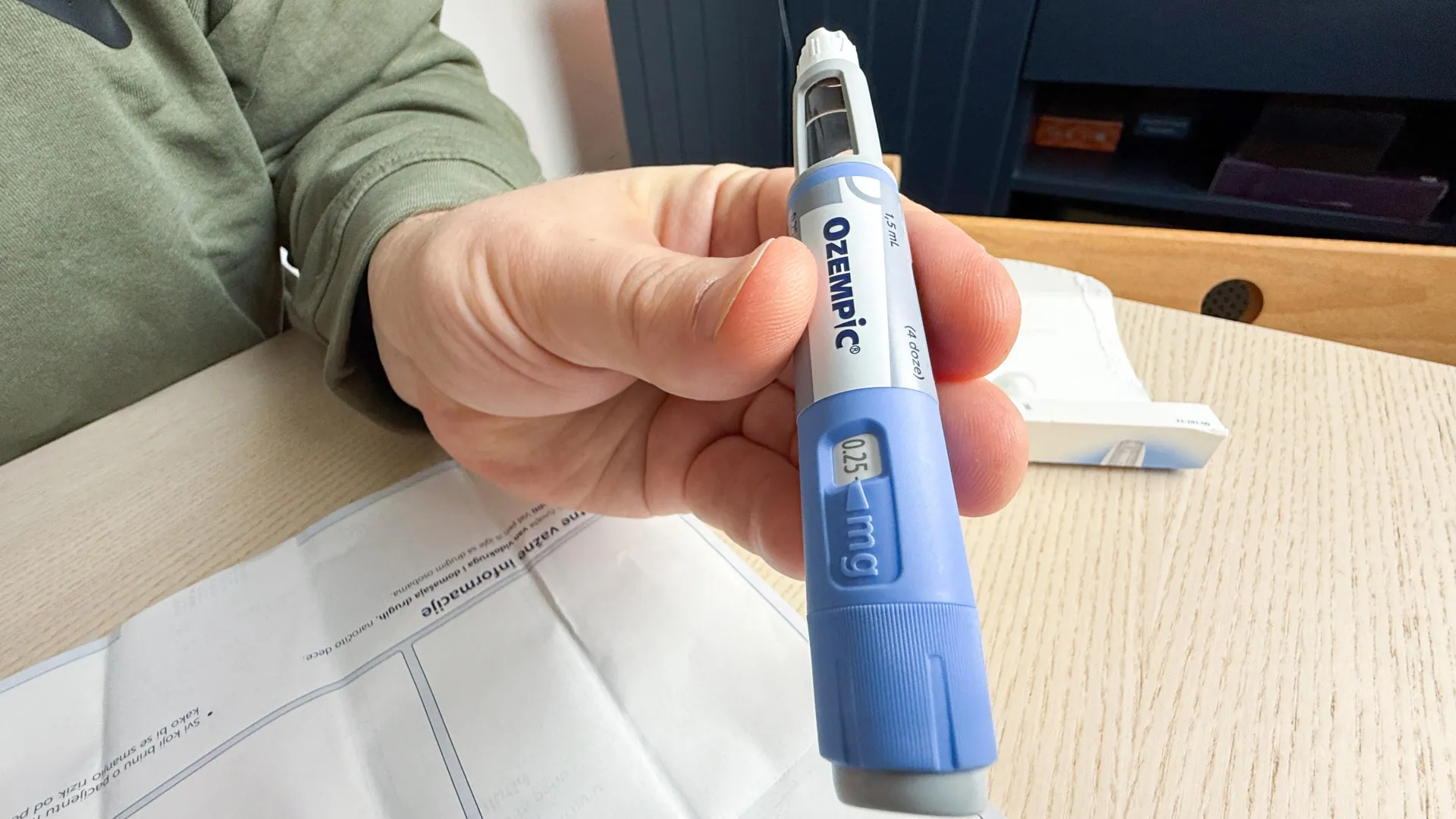
People taking GLP-1 drugs for type 2 diabetes (liraglutide, semaglutide, or tirzepatide) may be more likely to stop and then restart treatment than many people realize, according to a study presented Sunday at the Endocrine Society’s annual meeting ENDO 2026 in Chicago, Illinois.
This study examined two questions that have received little attention to date.
“Our study asks two questions that have not been fully answered to date: How many people with type 2 diabetes taking GLP-1 drugs actually stop taking them? And how many start taking them again?” said Dr. Sainikil Sonta, a researcher at the Boston University School of Public Health in Boston, Massachusetts.
Researchers analyzed U.S. Comodo Health insurance claims data (January 2019 to June 2025) in a retrospective cohort study. The analysis included adults aged 18 to 64 years with type 2 diabetes and a BMI ≥25 kg/m2 who started treatment with liraglutide (Victoza), semaglutide (Ozempic), or tirzepatide (Mounjaro). Participants were enrolled during the previous year and had at least 6 months of follow-up data available.
The research team defined discontinuation as a gap of 60 days or more between prescription refills. Resuming treatment after such a gap was classified as reinitiation.
GLP-1 discontinuation rate in type 2 diabetes
“Using insurance records for more than 60,000 Americans with type 2 diabetes, we found that about 4 in 10 patients stopped taking GLP-1 drugs within the first year, and nearly 6 in 10 by the end of the second year,” Sonta said.
The researchers also uncovered more promising trends.
“More than half (41.5%) of those who discontinued restarted treatment within one year, and almost two-thirds (58%) restarted treatment within two years,” Sonta said. “This suggests that for many patients, these drugs are not being abandoned forever. Use is more on-and-off than most people think.”
To better understand what influences treatment patterns, researchers used Cox proportional hazards models to examine sociodemographic, clinical, and provider-level factors.
Who is most likely to discontinue GLP-1 drugs?
According to the study results, those on Medicaid or Medicare, Black patients, and those who experienced nausea or other gastrointestinal side effects (37%) were more likely to discontinue GLP-1 drugs within a year.
The study also found that patients who were prescribed GLP-1 for the first time by an endocrinologist were 10% less likely to discontinue treatment.
New GLP-1 drugs are associated with improved persistence
There also seem to be differences in the types of drugs.
Those taking newer GLP-1 drugs, such as tirzepatide, were 41% less likely to discontinue treatment than those using older drugs, such as liraglutide. Semaglutide users were 28% less likely to stop using the anti-obesity drug compared to those taking older drugs.
Why is it important to continue GLP-1 therapy?
“This study is important because continued use of these drugs provides a preventive effect,” Sonta said. “If you stop early, you may miss an opportunity to prevent heart attack, progression of kidney disease, and other complications.”
The researchers said the results could help healthcare providers, insurance companies and policy makers identify patients who might benefit from additional support to continue GLP-1 therapy long-term.
