


A conservation approach once hailed as a global model for helping humans and predators coexist may be losing ground due to a lack of long-term government support, a new study finds.
In 2015, Sweden attracted international attention when researchers reported that its Conservation Payments (CPP) program, the oldest of its kind, helped boost the population of the endangered wolverine.
But more than a decade later, maintaining that early success is looking increasingly difficult. The program was designed to benefit both wolverines and the indigenous Sami reindeer herders who share the same landscape with them. New findings suggest this agreement is under increasing strain.
Researchers from the University of York and the Swedish Agricultural University have discovered that recorded numbers of wolverines have declined dramatically in areas of northern Sweden that once had the highest wolverine populations. At the same time, government payments have not changed for 20 years and many communities say they no longer trust the system.
The survey results are save letterthe government has suggested that it risks undermining conservation gains if it fails to address the long-term financial and social costs that wildlife recovery can impose on local populations.
An innovative approach to predator conservation
Dr Hannah Pettersson from the University of York’s Leverhulme Center for Anthropocene Biodiversity explained how the program differs from traditional compensation schemes.
“This system, implemented in 1996, was revolutionary for its time. Instead of paying reindeer herders for damage caused by predators, the government paid communities for coexistence with reindeer, regardless of whether any actual damage occurred.
“The idea is to tie income to the presence of predators, providing an incentive to find ways to coexist with them, thereby reducing conflict and improving social justice.
“While initial findings showed promising results from this program – significant increases in wolverine populations, after studying 30 years of data from this program, we found that this success was not sustained.”
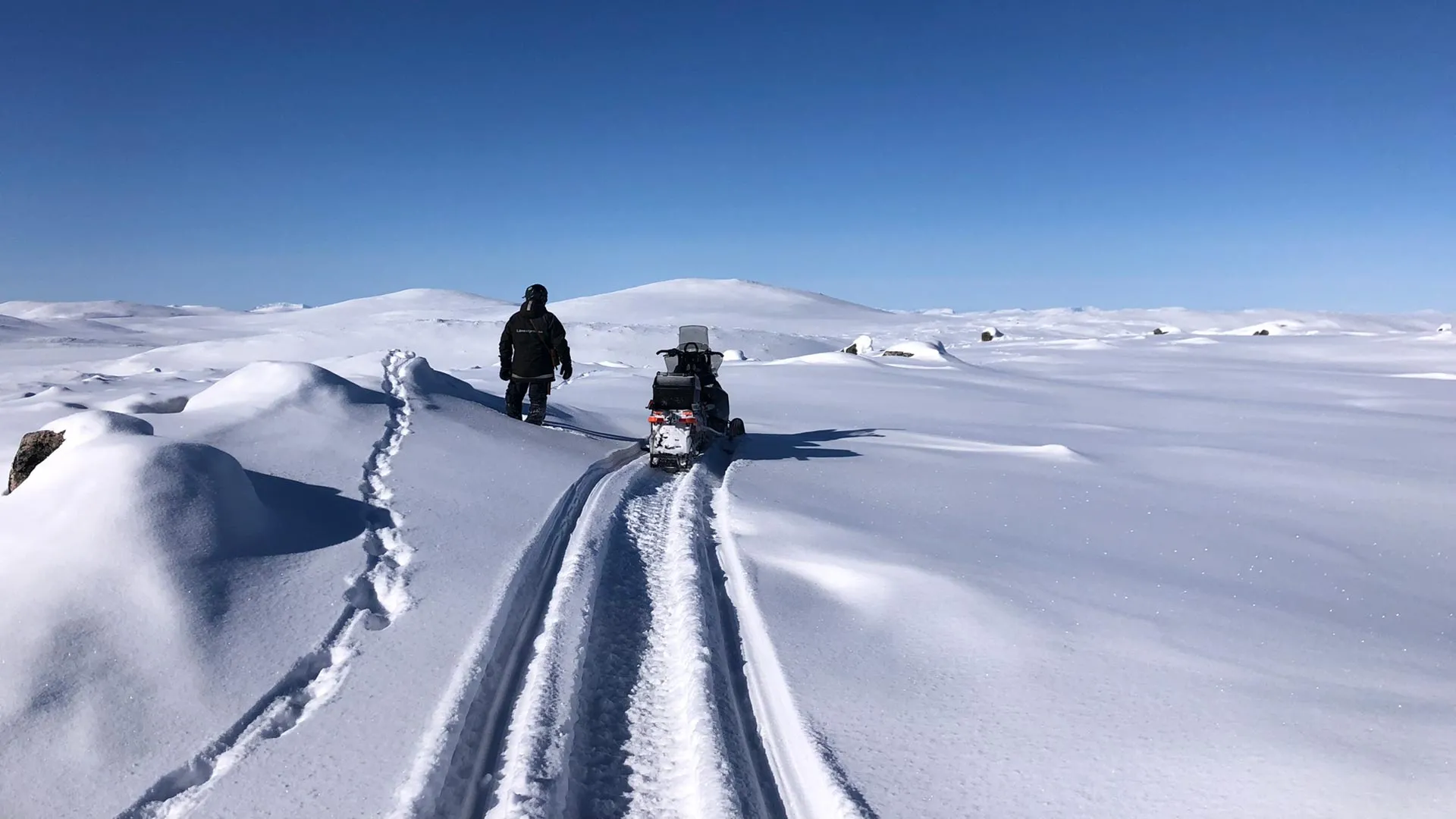
To study the long-term effects of the program, Dr. Pettersson accompanied wildlife rangers working in the Arctic. The researchers also combined ecological monitoring records with interviews conducted in Sweden’s northernmost county, Norrbotten.
Their results point to growing challenges within the program and raise broader concerns for conservation efforts elsewhere.
Wolverine numbers decline in northern Sweden
The study found that wolverines are spreading across southern Sweden, while declining in areas where they historically had the largest populations.
In the early 2000s, Norrbotten accounted for about two-thirds of all recorded wolverine breeding in Sweden. Now, that number has fallen by more than a third, and the county regularly falls short of minimum conservation goals.
Researchers say stagnant funding is a major problem.
Dr Pettersson said: “Payments to reindeer herders under this scheme have remained frozen at SEK 200,000 per breeding predator since 2002, but due to rising costs and meat prices, the real value of the payments has roughly halved over the past 20 years.”
“The Sami Parliament calculates that the statutory allowance should be at least SEK 480,000 to comply with the law, but the government has only offered an increase of SEK 25,000 in 2024.”
Climate change and tracking challenges
The study also identified climate change as an additional barrier. Changing snow conditions across the Arctic are making it difficult to detect and record wolverine tracks.
As a result, official numbers may not fully reflect the actual number of animals. Researchers noted that many apparent wolverine sightings were rejected because they did not meet strict documentation requirements.
According to Dr. Pettersson, these challenges demonstrate the need for governments to adapt conservation programs to changing conditions.
“If governments are unable to adapt payments to the increasing costs of coexistence, the burden will be shifted to communities that are often marginalized and already burdened by the cumulative impacts of mining, forestry and climate change.
“This is a warning sign for other global conservation efforts. Governments must plan ahead and adapt interventions to changing conditions and local needs.”
