


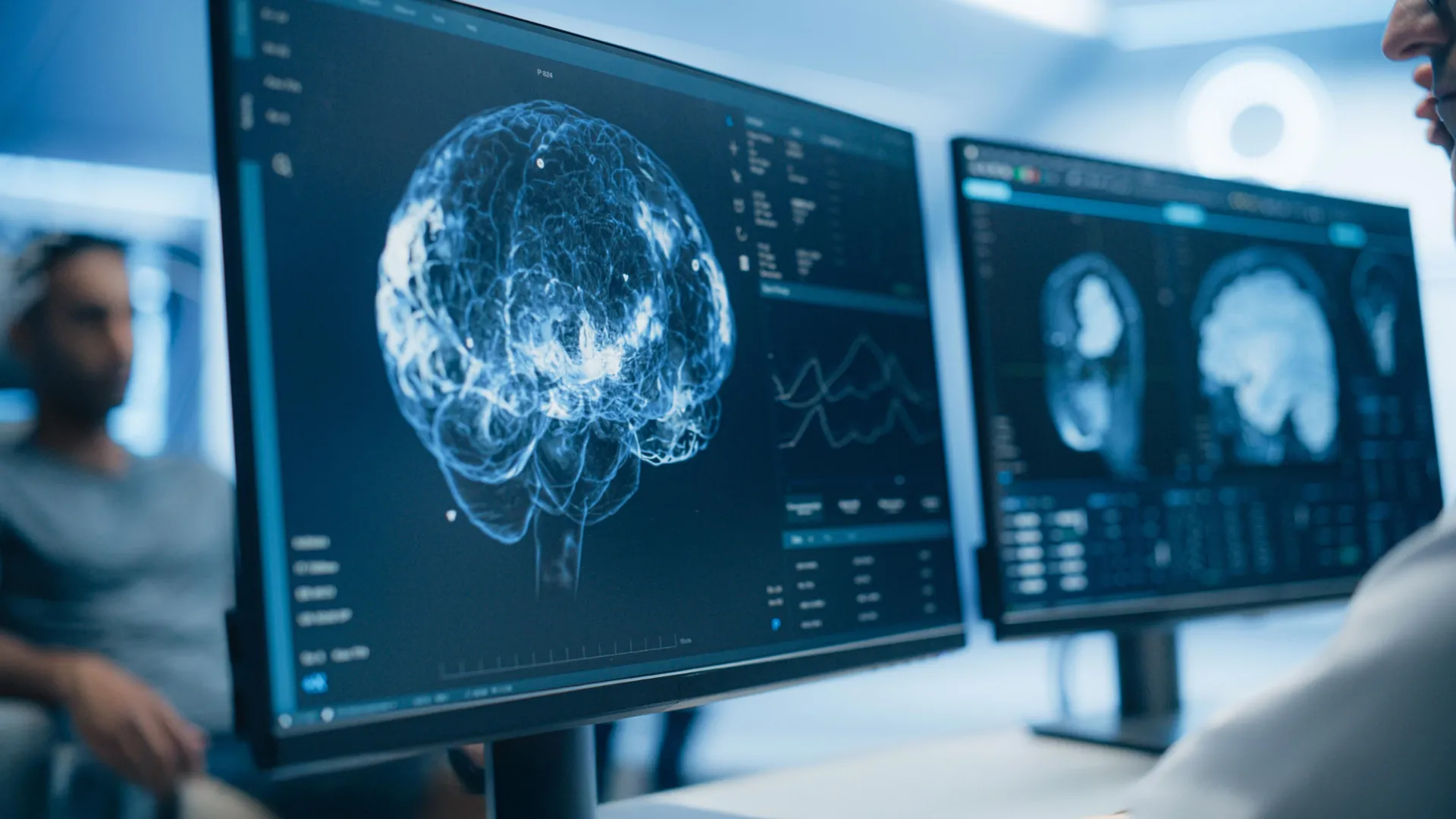
A new brain-imaging study casts doubt on one of the most widely debated explanations for the long-lasting coronavirus. Researchers found no evidence of widespread brain inflammation in people with prolonged symptoms after infection with the novel coronavirus disease (COVID-19). Instead, patients with more severe symptoms showed increased activity in brain regions associated with emotion, stress, and memory.
For a long time, COVID-19 has often been suspected of being involved in the ongoing inflammation in the brain caused by SARS-CoV-2 infection. Scientists have been studying this theory as a possible explanation for symptoms such as fatigue, brain fog, anxiety, and depression. However, direct evidence remains limited.
To investigate this issue more closely, researchers at the University of Turku in Finland used advanced brain imaging techniques to examine patients with long-term COVID-19 infections, who continue to experience symptoms long after infection.
“We did not observe evidence of widespread brain inflammation in patients with long-term COVID-19 infection when compared to healthy controls,” says Laura Iras, professor of neuroimmunology and InFLAMES research flagship group leader, who led the study.
Comparison of long-term coronavirus patients with healthy volunteers and MS patients
The study involved 14 long-term coronavirus patients, 11 healthy participants, and 13 patients with multiple sclerosis (MS), a neurological disease known to involve brain inflammation.
All participants underwent PET scans designed to detect neuroinflammation, along with magnetic resonance imaging (MRI) scans to assess changes in brain structure and white matter. The researchers also analyzed blood samples for biological markers associated with neuron damage and supporting brain cells.
Compared to MS patients, the long-term coronavirus group had much lower inflammatory activity in brain white matter. The researchers also found no significant differences between long-term coronavirus patients and healthy volunteers in markers associated with brain inflammation and neurodegeneration.
Inflammation may disappear over time after infection
Previous neuropathological studies of severe acute novel coronavirus infection (COVID-19) have reported clear signs of inflammation in the brain. In this new study, researchers found that participants who were tested within 16 months of infection had higher levels of inflammatory activity in their white matter than those who had been ill for a longer period of time.
This may indicate that inflammation is more pronounced in the early stages of the disease, before gradually reducing over time, Iras said.
The study also revealed another important pattern. Increased cell activity in the hippocampus and amygdala was found in patients with higher levels of anxiety and depression and decreased quality of life. These brain regions play key roles in memory, emotional regulation, and response to stress.
Researchers say the findings suggest that changes in activity in emotion-related areas of the brain may be related to the severity of symptoms experienced by some people with long-term COVID-19 infections.
Findings could impact future long-term coronavirus treatments
The researchers believe the results will help further the scientific understanding of the long-lasting coronavirus and challenge the idea that persistent brain inflammation is the main cause of long-term symptoms in all patients.
Rather, the findings point to a more complex condition in which inflammatory changes are strongest immediately after infection and may then wane over time.
COVID-19 remains a major global health problem, affecting millions of people, and symptoms can persist for months or even years after initial illness.
Based on this finding, the researchers suggest that for some patients with persistent symptoms, treatments that focus on stress management and emotional regulation may be more beneficial than treatments aimed solely at reducing inflammation.
“This study highlights the need to continue investigating the complex biological mechanisms underlying the long-lasting coronavirus. Understanding these processes is essential for the development of targeted therapies,” Iras noted.
A study by Airas et al. neurology journal.
InFLAMES Flagship is a joint initiative between the University of Turku and Finland’s Åbo Akademi University. The program aims to combine immunology and related research fields to develop new diagnostic tools and personalized medicine. InFLAMES is part of the Finnish Research Council’s flagship program.
