


Arthritis includes a wide range of joint disorders, including inflammatory conditions such as rheumatoid arthritis and psoriatic arthritis, and the most common disease, osteoarthritis. Many people living with arthritis struggle with pain, stiffness, and reduced mobility that can significantly impact their daily lives.
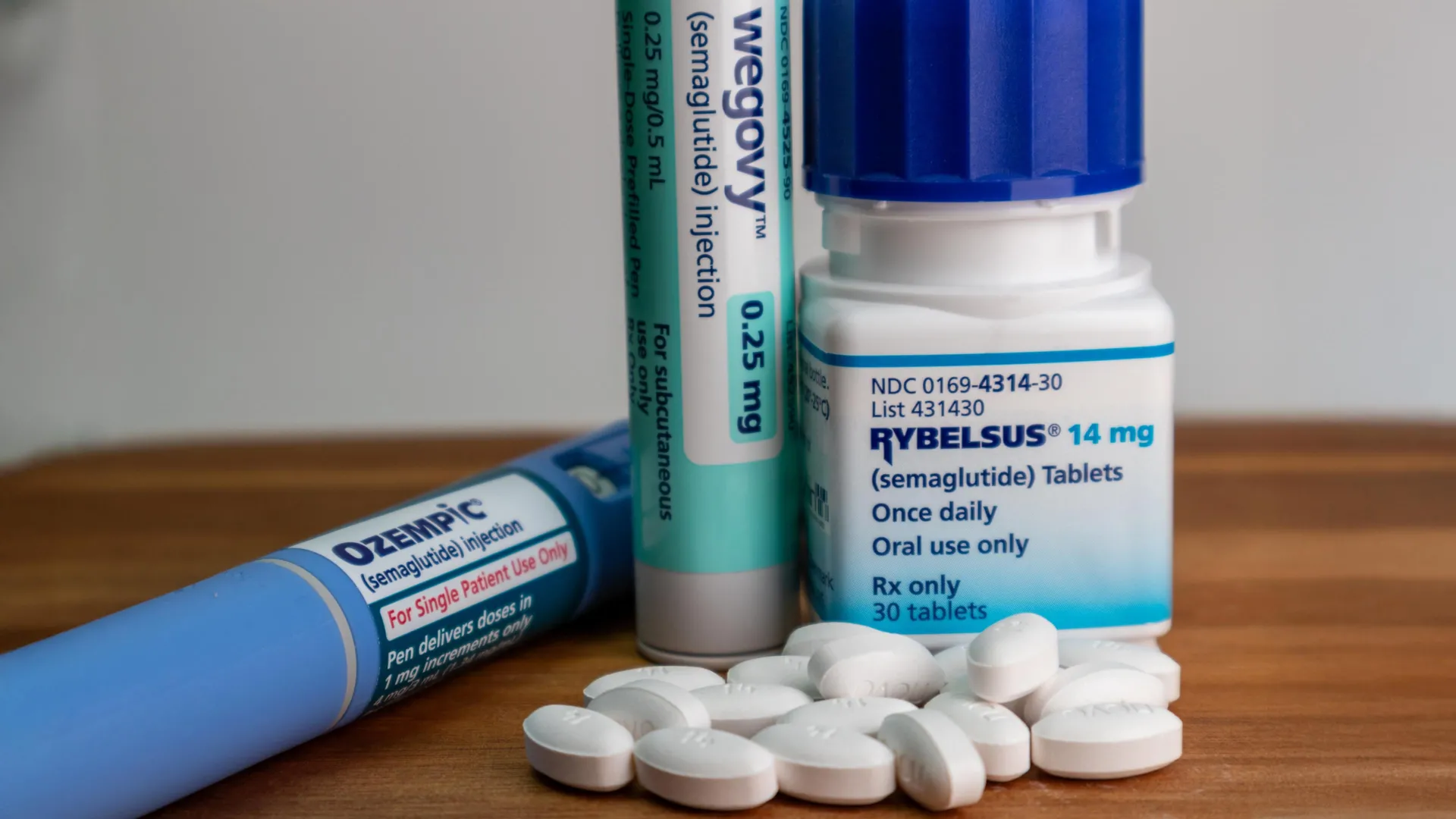
Current treatments primarily focus on relieving symptoms and reducing inflammation, depending on the specific type of arthritis. Now, researchers at Aarhus University’s Department of Biomedical Sciences have identified a potential new direction for future treatments involving GLP-1, the hormone targeted by popular weight loss drugs such as Wegovy.
The survey results are lancet rheumatology.
Associate Professor Tu Wenzel-Klagstrup, who led the study, said: “Our study shows that the body’s own GLP-1 hormone is present in very small amounts in the joints. This means that the natural effects of the GLP-1 hormone in the joints are likely to be limited. However, it also suggests that GLP-1-based drugs given at much higher doses may have a direct effect on inflammation within the joints.”
Because GLP-1 drugs deliver much higher levels of the hormone than the body naturally produces in joints, researchers believe these drugs may affect inflammation in these tissues.
Possible dual benefits from GLP-1 drugs
Weight management is already recommended for many arthritis patients, especially those with osteoarthritis. GLP-1 drugs may ultimately have benefits beyond weight loss, researchers say.
“While weight loss is already part of the recommendations for many arthritis patients, our study may show that drugs like Wigovy may have the dual effect of reducing weight and increasing GLP-1 levels in the joints,” Klagstrup said.
The study analyzed blood samples and joint fluid taken from arthritis patients. The data work was led by physician and PhD student Mats Brüner and PhD student Amalie Broxo.
The researchers found that GLP-1 levels in the joints closely matched circulating levels in the bloodstream.
“We find that GLP-1 levels in synovial fluid are closely related to levels in the blood. This suggests that it is primarily the amount of GLP-1 circulating in the body that determines the amount that reaches the joints,” Professor Bruner explained.
First detection of GLP-1 in synovial fluid of arthritis
Previous studies have suggested that GLP-1 may have anti-inflammatory properties, but this is the first time scientists have directly detected this hormone in the joint fluid of arthritis patients.
“Our findings provide a biological basis for investigating whether GLP-1-based drug therapy may have direct effects on joints beyond its known effects on body weight and metabolism. However, this does not prove that this therapy is effective against arthritis; this will require much clinical research,” Klagstrup said.
Researchers warn patients not to expect GLP-1 drugs to become a cure for arthritis anytime soon. More research is needed before doctors can determine whether these drugs can actually reduce inflammation or reduce symptoms inside the joint.
“The next step is to investigate whether the drug reaches the joints in sufficient quantities and actually reduces joint inflammation.”
About research
The study was a translational clinical biomarker study that tested paired blood and joint fluid samples taken from patients with inflammatory arthritis, such as rheumatoid arthritis and spondyloarthritis. The goal was to determine whether GLP-1 can be measured in synovial fluid and how its levels compare to concentrations in the blood.
The project involved researchers from the Department of Biomedicine at Aarhus University, the Department of Molecular Medicine (MOMA) at Aarhus University Hospital, the Rheumatology and Connective Tissue Disease Clinic at Hospital Senhead Mid Medical Diagnostic Center, the Novo Nordisk Foundation Center for Basic Metabolic Research, and the Faculty of Biomedical Sciences at the University of Copenhagen.
Funding came from director Michael Hermann Nielsen’s Memorial Grant and the Lisford Foundation. The authors report no conflicts of interest related to this study.
