

Close Menu

    Subscribe to Updates

    Get the latest creative news from FooBar about art, design and business.

    What's Hot

    Highly synchronized brains perform poorly on complex tasks

    July 18, 2026

    How different types of exercise affect mood and brain chemistry

    July 17, 2026

    New portable strip test accurately detects mosquito-borne viruses

    July 17, 2026
    Facebook X (Twitter) Instagram
    Facebook X (Twitter) Instagram
    Health Magazine
    • Home
    • Environmental Health
    • Health Technology
    • Medical Research
    • Mental Health
    • Nutrition Science
    • Pharma
    • Public Health
    • Discover
      • Daily Health Tips
      • Financial Health & Stability
      • Holistic Health & Wellness
      • Mental Health
      • Nutrition & Dietary Trends
      • Professional & Personal Growth
    • Our Mission
    Health Magazine
    Home » News » Tumor microenvironment markers predict immunotherapy response in rare cancers
    Discover

    Tumor microenvironment markers predict immunotherapy response in rare cancers

    healthadminBy healthadminMay 20, 2026No Comments4 Mins Read
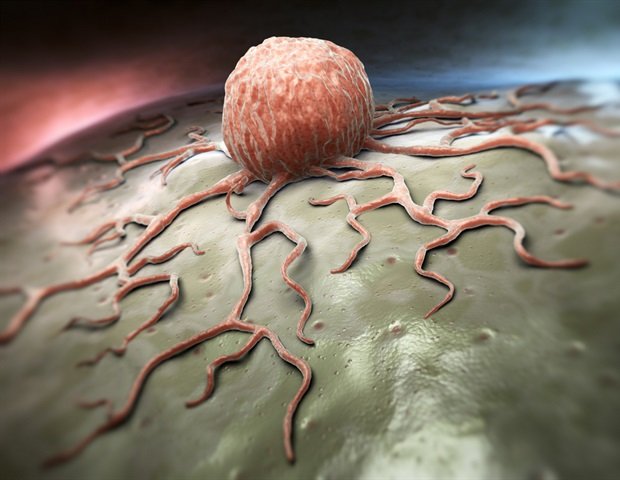
    Tumor microenvironment markers predict immunotherapy response in rare cancers
    Share
    Facebook Twitter Reddit Telegram Pinterest Email


    new research in cell report medicine Researchers at the University of Texas MD Anderson Cancer Center have identified key characteristics that may help predict which types of rare cancers are likely to respond to immunotherapy.

    In a phase 2 trial of 154 patients with rare cancers led by Aung Naing, MD, professor of cancer therapy, the immunotherapy pembrolizumab had a modest overall response rate of 14.8% and a clinical benefit rate of 26.8%. However, researchers have found that certain other features of the tumor microenvironment may serve as predictive markers of response beyond what can currently be provided by genomic analysis.

    This is an important finding because data on rare cancers is difficult to generate. What we have shown in this study is that, beyond traditional responsive genomic markers, several features within the tumor microenvironment may provide new insights into what types of rare cancers respond to immunotherapy. ”


    Aung Naing, MD, Professor of Investigational Cancer Therapeutics, University of Texas MD Anderson Cancer Center

    Why is this finding important in rare cancers?

    Rare cancers, defined as cancers that affect less than 15 cases per 100,000 people annually, collectively account for about one-quarter of cancer deaths in the United States each year. Therefore, treatment of rare cancers is an urgent need, but there are major hurdles.

    Despite the challenges of running a rare cancer trial, researchers were able to enroll 154 patients, making it one of the largest immunotherapy studies in the field. A key strength of this trial was that biopsies were collected from the same disease site before and during treatment, allowing researchers to precisely study how tumors and the immune system change in response to treatment.

    Several biomarkers are currently being used to determine which rare cancers are likely to respond to immunotherapy, such as microsatellite instability, high mutational burden, or high PD-L1 expression. However, in this trial, a significant number of patients with strong responses did not have tumors with these markers.

    This indicates the need to find additional predictive biomarkers. Immunotherapy can improve outcomes for many patients, but identifying patients with rare cancers in particular has been a challenge.

    What are the characteristics of the tumor microenvironment and which features have been identified?

    Researchers are rapidly learning that the physical characteristics in and around a tumor can be as important as its genomic profile when determining treatment plans. Examples of these include the number of immune cells already present and the density of those cells in a particular area.

    By integrating tools that can map and analyze the tumor microenvironment, the research team discovered three new markers to identify rare cancer patients most likely to respond to immunotherapy. These include a pre-existing infiltration of immune cells, particularly CD3 and CD8 T cells, active T cell signaling, and the ability of some tumors with intermediate levels of immune cells to recruit additional immune cells during treatment.

    What does this mean for rare cancer patients?

    Although this study shows that genomic markers cannot identify all patients who will benefit from immunotherapy, approaches that also leverage analysis of the tumor microenvironment may help physicians improve treatment choices for these patients.

    Nain said further research is needed to continue validating these findings, but this study highlights the importance of profiling the tumor microenvironment.

    “These types of trials are difficult, but they are also critical to helping us learn more about rare cancers as a population,” said Nine. “While each tumor may be rare, we are increasingly working to understand common characteristics that can inform treatment and help patients receive appropriate treatment more quickly.”

    sauce:

    University of Texas MD Anderson Cancer Center

    Reference magazines:

    Nine, A. Others. (2026). Biomarker studies of pembrolizumab in patients with advanced rare cancers. Cell Report Medicine. DOI: 10.1016/j.xcrm.2026.102827. https://www.cell.com/cell-reports-medicine/fulltext/S2666-3791(26)00244-2


    Source link

    Visited 12 times, 1 visit(s) today
    Share. Facebook Twitter Pinterest LinkedIn Telegram Reddit Email
    Previous ArticleRFK Jr. fires two leaders of U.S. Preventive Services Task Force
    Next Article ‘Real Control’: House Republicans Release Interior-EPA Spending Bill
    healthadmin

    Related Posts

    New portable strip test accurately detects mosquito-borne viruses

    July 17, 2026

    Multidisciplinary surgery improves outcome in rare corpus callosum glioma

    July 17, 2026

    ECT-like brain stimulation causes unexpected nuclear reprogramming of mature neurons

    July 17, 2026

    Study reveals mechanisms underlying HBV-induced hepatitis

    July 17, 2026

    New battery-powered device detects Bundibugyo Ebola virus in 30 minutes

    July 17, 2026

    New laser technology detects counterfeit alcohol through sealed bottles

    July 17, 2026
    Add A Comment

    Comments are closed.

    Categories

    • Daily Health Tips
    • Discover
    • Environmental Health
    • Exercise & Fitness
    • Featured
    • Featured Videos
    • Financial Health & Stability
    • Fitness
    • Fitness Updates
    • Health
    • Health Technology
    • Healthy Aging
    • Healthy Living
    • Holistic Healing
    • Holistic Health & Wellness
    • Medical Research
    • Medical Research & Insights
    • Mental Health
    • Mental Wellness
    • Natural Remedies
    • New Workouts
    • Nutrition
    • Nutrition & Dietary Trends
    • Nutrition & Superfoods
    • Nutrition Science
    • Pharma
    • Preventive Healthcare
    • Professional & Personal Growth
    • Public Health
    • Public Health & Awareness
    • Selected
    • Sleep & Recovery
    • Top Programs
    • Weight Management
    • Workouts
    Popular Posts
    • 1773313737_bacteria_-_Sebastian_Kaulitzki_46826fb7971649bfaca04a9b4cef3309-620x480.jpgHow Sino Biological ProPure™ redefines ultra-low… March 12, 2026
    • pexels-david-bartus-442116The food industry needs to act now to cut greenhouse… January 2, 2022
    • 1773729862_TagImage-3347-458389964760995353448-620x480.jpgDespite safety concerns, parents underestimate the… March 17, 2026
    • 1773209206_futuristic_techno_design_on_background_of_supercomputer_data_center_-_Image_-_Timofeev_Vladimir_M1_4.jpegMulti-agent AI systems outperform single models… March 11, 2026
    • 1774403998_image_28620e4b6b0047f7ab9154b41d739db1-620x480.jpgGait pattern helps distinguish between Lewy body… March 24, 2026
    • Leukemia-620x480.jpgBiomimetic platform powers CAR T therapy for… March 9, 2026

    Demo
    Stay In Touch
    • Facebook
    • Twitter
    • Pinterest
    • Instagram
    • YouTube
    • Vimeo
    Don't Miss

    Highly synchronized brains perform poorly on complex tasks

    By healthadminJuly 18, 2026

    Recent research published in journals neuroimage When people collaborate on a video game, their brain…

    How different types of exercise affect mood and brain chemistry

    July 17, 2026

    New portable strip test accurately detects mosquito-borne viruses

    July 17, 2026

    Exposure to high temperatures during pregnancy may slow the growth of your child’s thalamus

    July 17, 2026

    Subscribe to Updates

    Get the latest creative news from SmartMag about art & design.

    HealthxMagazine
    HealthxMagazine

    At HealthX Magazine, we are dedicated to empowering entrepreneurs, doctors, chiropractors, healthcare professionals, personal trainers, executives, thought leaders, and anyone striving for optimal health.

    Our Picks

    Exposure to high temperatures during pregnancy may slow the growth of your child’s thalamus

    July 17, 2026

    Weekly Rundown: SpotitEarly partners with HITLAB

    July 17, 2026

    Changes in brain structure are associated with different types of traumatic memories

    July 17, 2026
    New Comments
      Facebook X (Twitter) Instagram Pinterest
      • Home
      • Privacy Policy
      • Our Mission
      © 2026 ThemeSphere. Designed by ThemeSphere.

      Type above and press Enter to search. Press Esc to cancel.