


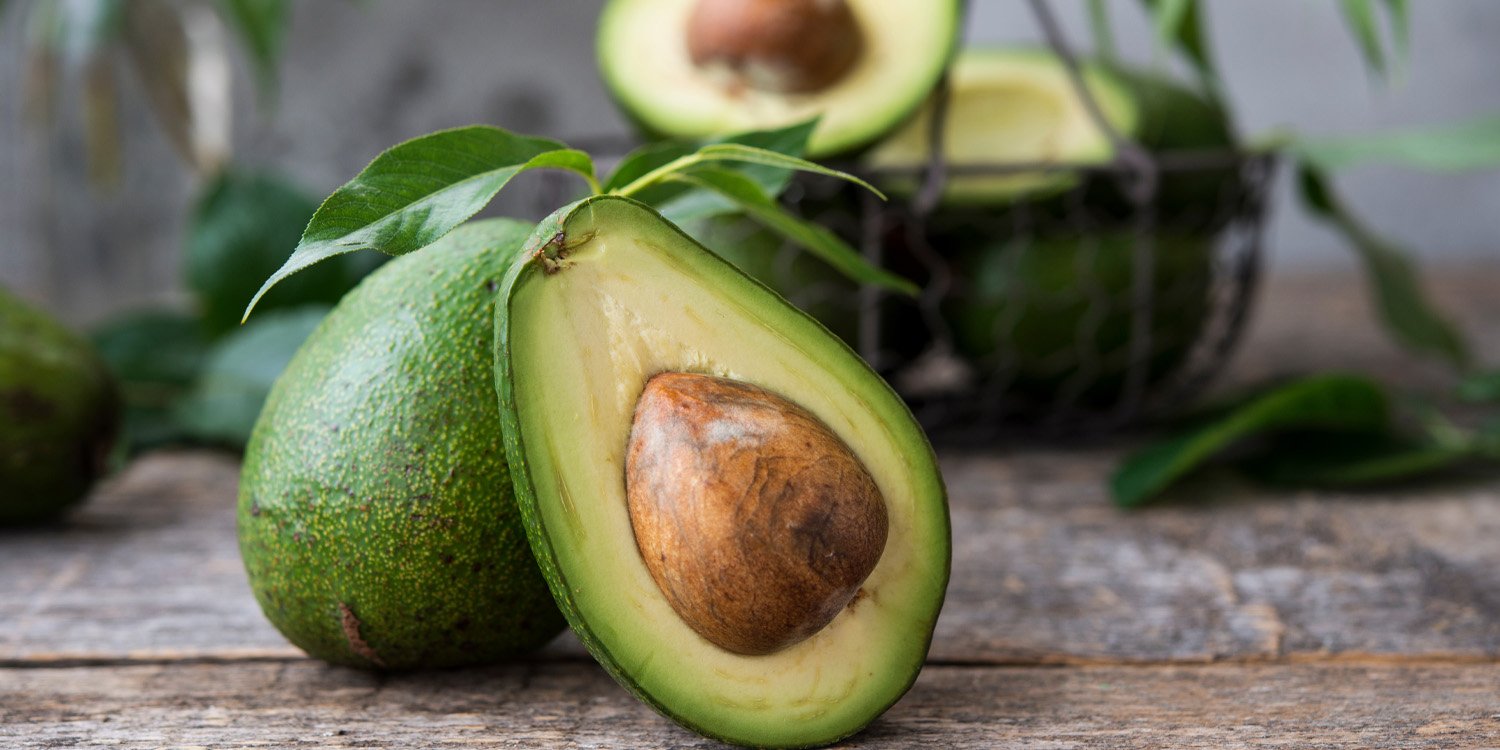
Adults who carry excess weight in their abdomens do not see any measurable improvement in their memory or cognitive processing ability after eating just one avocado every day for six months. The results show that adding one nutritious food to an otherwise unchanged diet may not be a quick fix for brain health. The study was published in the Journal of Nutrition, Health, and Aging.
The world’s population is rapidly aging, and at the same time age-related brain diseases such as Alzheimer’s disease are increasing. Medical researchers are exploring accessible dietary interventions to help people maintain mental function as they age. Age-related brain changes often begin decades before doctors detect clinical symptoms. Because of this timeline, nutrition researchers believe that middle age is an excellent time to begin preventive eating habits.
The biological processes underlying cognitive aging include a steady increase in oxidative stress and systemic inflammation in the brain. Over time, normal metabolic function produces inflammatory chemical byproducts that can damage delicate nerve tissue. The vascular system, which supplies oxygen-rich blood to the brain, also tends to become stiffer and less efficient as we age. Medical experts believe that targeting these specific physiological changes early in life may help maintain neural integrity in the long term.
Health experts frequently point to plant-rich dietary patterns as a model for maintaining mental sharpness. People who consume a diet primarily based on whole plants, legumes, and natural oils tend to have a slower rate of mental decline than those who consume highly processed foods. Nutritional scientists theorize that the combined effects of multiple bioactive nutrients provide a functional shield against the cell damage that naturally occurs with age.
Past research suggests that individual dietary components such as antioxidants, dietary fiber, and unsaturated fats may help maintain brain health at an anatomical level. Foods high in compounds called polyphenols have been shown to promote blood flow in the brain. These measured vascular improvements may be directly related to improved memory retention in older adults. Nuts and certain berries contain beneficial phytochemicals that support cellular function throughout the body.
Avocados are unique among fruits because they provide a combination of monounsaturated fatty acids, dietary fiber, and antioxidant pigments called carotenoids. Monounsaturated fat is a type of dietary fat that, when consumed in place of saturated fat, helps maintain healthy blood vessels. Avocados are especially rich in lutein and zeaxanthin, two plant pigments known to support both eye and brain health. Previous observational studies have linked high levels of these specific pigments to improved memory and neural efficiency in adults.
Despite the theoretical benefits, few clinical trials have tested whether eating avocados changes brain function in real time. Only two previous clinical trials have directly investigated avocado consumption and cognition. Both of these trials reported very limited effects, mostly limited to a single mental skill within a specific demographic group. No previous study has assessed multiple cognitive domains in populations facing elevated metabolic health risks.
Grace J. Lee, a psychology researcher at Loma Linda University, led a team that looked into the issue more thoroughly. The researchers designed the study to test people from young adulthood into late life. The researchers focused specifically on adults between the ages of 25 and 84 who have high waist circumference, a physical condition known as central obesity. People with excess abdominal fat are at increased risk of metabolic dysfunction and cognitive decline as they age.
The researchers recruited adults who typically consumed two or fewer avocados per month. Potential participants underwent a one-on-one interview with a clinical researcher to determine eligibility for participation in the nutrition trial. Ultimately, 251 participants formally enrolled in the 6-month study. Volunteers were randomly assigned to either the cooking experimental group or the control group.
Participants in the experimental group were given fresh Hass avocados and instructed to eat only one avocado each day. The researchers did not give this group any additional instructions to change their usual eating habits. The avocado group received a recipe booklet and had a brief meeting with a nutritionist to get ideas on how to prepare the fruit for meals. Participants in the control group were instructed to continue their normal diet and eat fewer than two avocados per month.
The researchers carefully monitored the participants’ eating habits to make sure they followed the rules. A nutritionist called participants unannounced at various times throughout the six-month period and recorded exactly what they ate the previous day. Dietary adherence among participants was significantly high throughout the study. Almost all dietary recalls of the experimental group confirmed avocado intake, while the control group successfully avoided the fruit.
Researchers used a comprehensive battery of tests to measure brain health at the beginning and end of the study. A trained psychoanalyst conducted traditional paper-and-pencil physical tests and computer-based digital assessments. To standardize the testing environment, the psychometrist instructed participants to maintain a consistent routine regarding daily sleep and coffee intake before each laboratory visit.
The test measured five different categories of mental performance. Memory assessment includes tests of immediate and delayed recall using both spoken words and visual shapes. Processing speed was tested by having participants quickly match symbols and numbers and read contradictory color words from a printed page. Executive function tests measured participants’ working memory, flexible thinking, and self-control.
In the last two categories, simple reaction time and working memory reaction time were measured using customized digital software. A simple reaction time test assessed how quickly people could detect visual changes on a computer screen. A working memory reaction time test measured how quickly participants could identify whether a new image matched a previously seen image. Scientists converted all raw scores into percentage-based metrics for direct comparison between different types of assessments.
A total of 241 participants completed the 6-month trial. After analyzing the final test scores, the researchers found that there were no statistically significant differences in cognitive performance between those who ate avocados and those who did not. Both groups had slightly faster reaction times on working memory tests by the end of the trial. The researchers note that this general improvement is simply a result of participants becoming accustomed to the test format over time.
The scientists also analyzed the resulting data to see if age affected the results. They speculated that older adults might respond differently to added phytonutrients than younger adults. The data showed no statistically significant interactions between participant age, dietary group, and final test scores.
Several factors may explain why a daily avocado habit failed to increase brain power. People who carry excess weight often experience a different metabolic response to dietary fat compared to people who are underweight. Obesity is associated with metabolic changes that may blunt the cognitive benefits of consuming healthy unsaturated fats. Because participants in this study were generally healthy except for weight, the potential for measurable test improvement may have been limited.
It’s also possible that the amount of active nutrients obtained from a single avocado is insufficient to cause rapid functional changes in the brain. Previous studies showing cognitive benefits from lutein and zeaxanthin relied primarily on highly concentrated pill supplements. The amount of these plant pigments in one avocado is approximately 20 times lower than the individual doses used in standard clinical supplement trials. Higher intake levels may be required over a 6-month period to reach the tissue concentrations necessary to enhance neurological function.
Future nutritional research will need to establish whether these fruits have effects on the brain under different dietary conditions. Researchers suggest that people of normal weight may experience a greater neurocognitive response to certain nutrients found in avocados. Researchers can also test longer intervention periods, much longer than six months. Adding avocados as one component of a broader lifestyle modification plan, rather than as a single standalone change, can yield significantly different results for the aging brain.
The study, “Effects of One Avocado a Day for 6 Months on Cognitive Performance in Overweight Adults: A Randomized Controlled Trial,” was conducted by Grace J. Lee, Holly ER Morrell, Michelle Adams, Joan Sabate, David M. Reboussin, Penny M. Kris-Etherton, Kristina S. Petersen, Alice H. Lichtenstein, Nirupa R. Matthan, Zhaoping Li, and Sujata Rajaram.
