


A new clinical trial reveals that a popular weight loss drug can help people with both obesity and alcohol use disorder reduce the frequency of heavy drinking. The results suggest that these hormone-mimetic drugs may offer a new and effective treatment for the millions of people who struggle to control their alcohol intake. The results of this research have recently lancet.
Alcohol use disorder is a chronic brain disease characterized by an inability to control drinking habits and a compulsive need to consume alcohol. This condition accounts for approximately 5% of deaths worldwide each year. It is a major cause of liver disease, cardiovascular disease, and various forms of cancer.
Despite decades of scientific research, the U.S. Food and Drug Administration has approved only three drugs to treat this disorder. These existing options are disulfiram, acamprosate, and naltrexone. These existing drugs are not universally effective, so medical experts have actively sought alternative approaches.
“Currently, there are few approved treatments for alcohol use disorder and they are largely underutilized. New, more accessible and more effective options could be a game-changer in closing the treatment gap,” study co-author George Korb, director of the National Institute on Alcohol Abuse and Alcoholism, said in a National Institutes of Health press release.
Recently, a class of drugs known as glucagon-like peptide-1 receptor agonists have attracted the attention of addiction researchers. Originally designed to treat diabetes and obesity, these drugs mimic hormones naturally produced in the small intestine and brain. This natural hormone regulates digestion, blood sugar levels, and overall appetite.
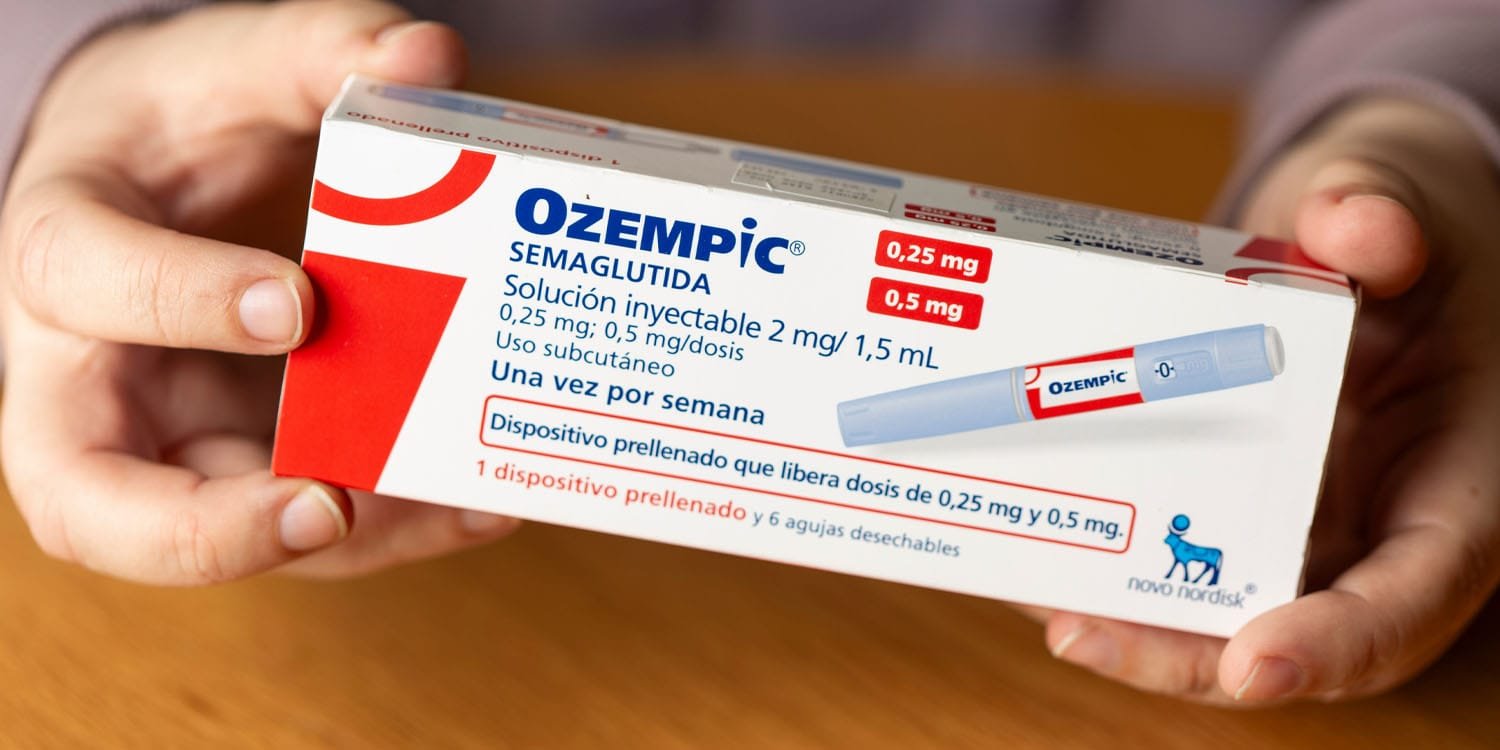
This hormone also interacts with reward pathways in the brain. When a person consumes concentrated food or alcohol, these neural pathways release chemicals that produce deep pleasure. Researchers suspect that the drug may reduce the underlying desire to drink by changing the way the brain processes these rewards. Semaglutide, the active ingredient in brand-name drugs such as Wegovy and Ozempic, belongs to this drug class.
Previous experiments in animal models suggested that these drugs may suppress the urge to consume alcohol. Subsequently, a large population study showed that human patients taking diabetes medications had fewer alcohol-related hospital visits. However, early clinical trials focused on alcohol use in humans have yielded mixed results.
One previous human trial found that the drug did not statistically significantly reduce alcohol consumption across the study group. However, some of the participants in that trial, who also had obesity, appeared to respond strongly to treatment. This observation led to a very targeted investigation.
A research team led by Mette Kruse Clausen, a doctor at Copenhagen University Hospital, decided to test semaglutide in a specific population. They focused entirely on patients who were obese but were actively seeking treatment for alcohol use. The research group included corresponding author Anders Fink Jensen from Copenhagen University Hospital and scientists from the US National Institutes of Health.
To conduct this study, the researchers designed a randomized, double-blind, placebo-controlled trial. This setting is widely considered the gold standard in medical research because both patients and doctors cannot know who will receive the effective drug. The study was conducted at a single clinical center in Denmark.
The researchers enrolled 108 adult participants, with a nearly even split between men and women. All participants met clinical criteria for moderate to severe alcohol use disorder. Their BMI is over 30, which medically puts them in the obese category.
BMI is a standard measurement that relates a person’s weight and height. Participants were divided equally into two groups of 54 people each. One group received a once-weekly injection containing 2.4 milligrams of semaglutide, and the other group received a once-weekly injection of a placebo containing harmless saline. The trial lasted 26 weeks, allowing enough time for the drug to reach its maximum dose in patients’ bodies.
The research team went to great lengths to ensure that the study remained truly blinded. Semaglutide injection pens make a distinctive mechanical clicking sound when operated. To prevent participants from guessing their group based on this sound, patients were blindfolded and listened to music through headphones during their weekly injections.
In addition to the injections, all participants received up to 10 sessions of cognitive behavioral therapy. This form of psychotherapy helps patients identify and change destructive thought patterns and behaviors. The therapy focused on increasing motivation, managing intense cravings, and preventing relapse to heavy drinking.
Throughout the study, participants reported their daily alcohol intake using a highly validated tracking method. The researchers looked specifically at the number of heavy drinking days each person had. For men, heavy drinking includes consuming at least 60 grams of pure alcohol in a day, while for women the threshold was set at 48 grams.
The results of the 26-week intervention were very promising for the active treatment group. Participants who received semaglutide had a 41.1 percentage point reduction in heavy drinking days. In contrast, the placebo group saw a 26.4 percentage point decrease over the same period.
This resulted in an estimated treatment difference of 13.7 percentage points between the two groups. The drug produced positive changes across a variety of secondary indicators beyond the primary indicator of heavy drinking days. The total amount of alcohol consumed was significantly reduced in the semaglutide group than in the placebo group.
Patients receiving active medication also reported lower individual alcohol consumption per drinking day. Their overall alcohol craving scores visibly decreased compared to those who took a placebo. To ensure patients were reporting accurately, scientists tracked recent alcohol use using objective blood tests.
Specifically, the researchers measured a biomarker called phosphatidylethanol, which accumulates in the blood after alcohol consumption. Levels of this biomarker were significantly lower in the semaglutide group, directly consistent with their claim of reduced alcohol consumption. The placebo group showed no statistically significant change in this biological marker.
The scientists also tracked changes using the World Health Organization’s Risk Drinking Levels. This index categorizes alcohol intake into low, medium, high, and very high risk tiers. By moving down just two levels on this scale, you are less likely to develop long-term health problems. The semaglutide group achieved a two-level reduction much more frequently than the placebo group.
The drug also improved several physical health indicators. Patients taking semaglutide lost an average of 11.2 kilograms, or about 24 pounds. The placebo group lost an average of just 2.2 kilograms, or about 5 pounds. The active treatment group also saw a significant reduction in waist size and lower blood pressure.
Doctors carefully monitored the patients’ internal organs throughout the trial to ensure safety. They found that enzymes associated with liver damage were sharply reduced in the semaglutide group. However, some patients receiving the active drug had slightly elevated levels of a digestive enzyme called amylase. Fortunately, these mild enzyme elevations did not cause any symptoms or serious pancreatic problems.
To assess the drug’s actual usefulness, researchers calculated a clinical index known as the need-to-treat value. This number represents how many patients one person must administer the medication to in order to achieve very good results. For semaglutide in this particular study, the number needed to treat was 4.3.
This figure suggests a high level of medicinal efficacy. Currently approved drugs to treat alcohol use disorder typically have a therapeutic requirement of seven or more. “Some of the promise of GLP-1 for drug addiction treatment is becoming a reality. Although questions remain, this is nonetheless very encouraging,” study co-author Nora Volkow, director of the National Institute on Drug Abuse, said in a National Institutes of Health press release.
Researchers observed some adverse effects, but they were mainly related to the digestive system. Patients taking semaglutide frequently reported nausea, anorexia, vomiting, and abdominal pain. These side effects were generally mild to moderate and tended to disappear quickly.
Despite the high frequency of these gastrointestinal illnesses, very few participants withdrew from the study because of them. Only four patients in the semaglutide group directly withdrew from the study due to drug side effects. Overall, 81% of enrolled participants completed the 26-week intervention.
The drug’s effects did not extend to all addictive behaviors tracked during the trial. Some participants were smoking cigarettes daily at the beginning of the study. Despite a marked decrease in alcohol consumption, these people did not reduce their tobacco use. This observation suggests that the effects of drugs may vary depending on the specific substance involved.
While the trial provides strong evidence of the drug’s usefulness, researchers and outside experts acknowledge some limitations. The study only included participants with a BMI of 30 or higher, so the results cannot be automatically applied to people who are thin. It is still unclear whether this drug reduces alcohol craving in patients without obesity.
Additionally, this study was conducted in a relatively small sample of 108 patients at one clinic. Participants were primarily Caucasian, which limits the extent to which the findings can be generalized to other demographic groups. The inclusion of cognitive-behavioral therapy for all patients also boosted the overall success rate and may have masked how the drug would work in a real-world setting without extensive treatment.
Perhaps the most pressing question is what happens after drug therapy ends. The trial did not track participants’ alcohol intake after the 26-week period. Previous studies have shown that when patients stop taking semaglutide to lose weight, their appetite often returns completely.
Matt Field, a professor of psychology at the University of Sheffield who was not involved in the study, highlighted this unknown factor. “Drugs like Ozempic and Wegoby act like a brake on our appetite. When people stop taking the drug, they essentially take their foot off the brake,” Field said in a statement to the Science Media Center. He noted that a similar rebound effect can occur with alcohol intake once drug intake is discontinued.
In the future, the authors plan to investigate these deep scientific questions. They hope to conduct large-scale trials in diverse populations, including patients without obesity. A long-term follow-up period is also needed to determine whether the drug can support long-term recovery from alcohol use disorder.
The study, “Once-weekly semaglutide versus placebo in patients with alcohol use disorder and co-occurring obesity: a randomized, double-blind, placebo-controlled trial,” was authored by Mette Kruse Klausen, Signe Keller Justesen, Julie Niemann Pedersen, Line Rasmussen, Andreas Jensen, Mathias Ebbesen Jensen, and colleagues.
