

Close Menu

    Subscribe to Updates

    Get the latest creative news from FooBar about art, design and business.

    What's Hot

    Four decades of data show that high-status voters, not the working class, are reshaping American politics.

    May 17, 2026

    Brain response to fearful faces predicts risk of psychiatric hospitalization

    May 17, 2026

    How personality traits and attachment styles shape women’s reactions to infidelity

    May 16, 2026
    Facebook X (Twitter) Instagram
    Facebook X (Twitter) Instagram
    Health Magazine
    • Home
    • Environmental Health
    • Health Technology
    • Medical Research
    • Mental Health
    • Nutrition Science
    • Pharma
    • Public Health
    • Discover
      • Daily Health Tips
      • Financial Health & Stability
      • Holistic Health & Wellness
      • Mental Health
      • Nutrition & Dietary Trends
      • Professional & Personal Growth
    • Our Mission
    Health Magazine
    Home » News » This overlooked hormone may be the reason your blood pressure doesn’t drop
    Nutrition Science

    This overlooked hormone may be the reason your blood pressure doesn’t drop

    healthadminBy healthadminMarch 30, 2026No Comments3 Mins Read
    This overlooked hormone may be the reason your blood pressure doesn’t drop
    Share
    Facebook Twitter Reddit Telegram Pinterest Email


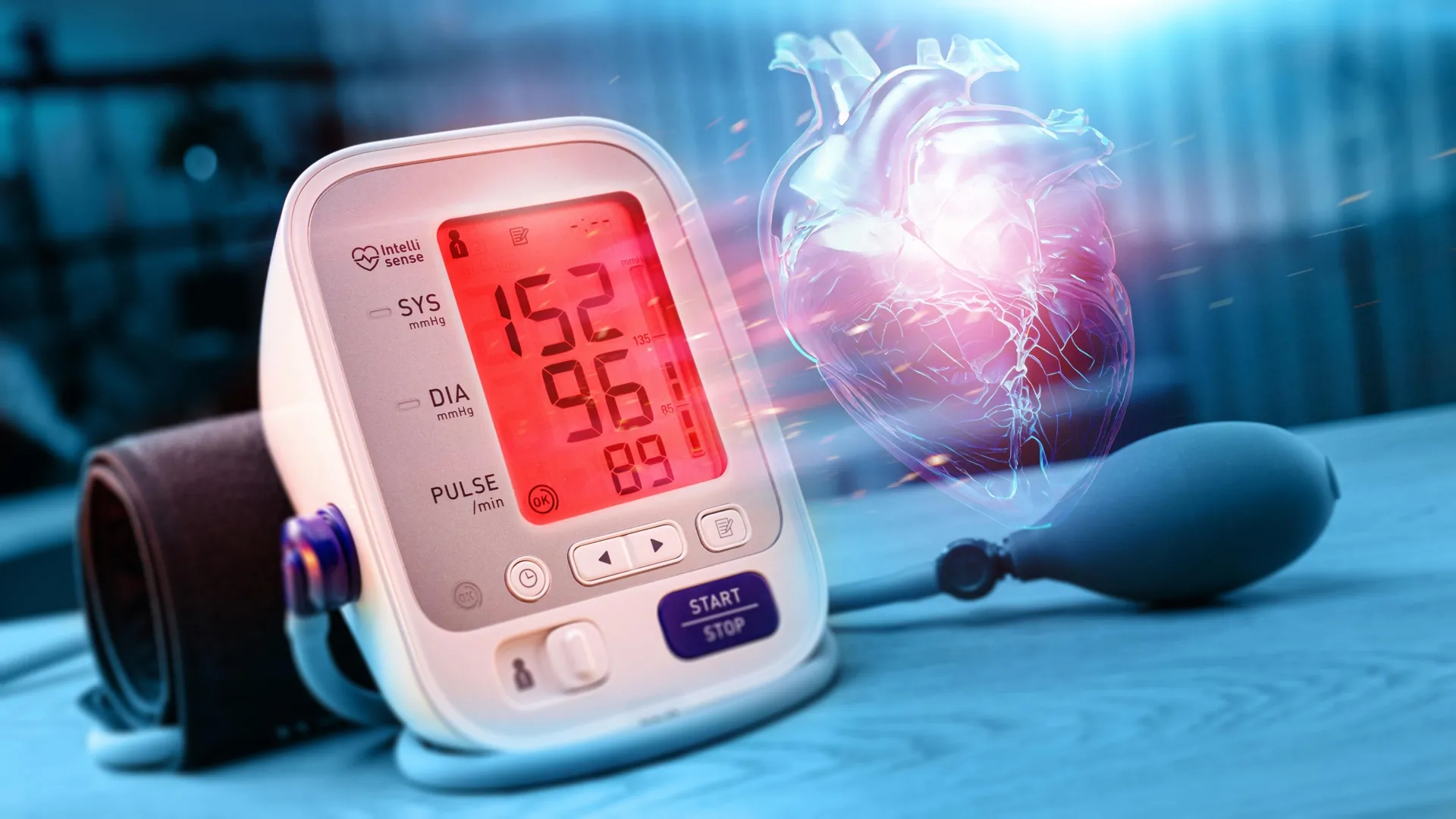
    The MOMENTUM study found that 27% of patients with resistant hypertension had hypercortisolism. This finding is important because it shows that excess cortisol is much more common in these patients than researchers and clinicians previously thought.

    Resistant hypertension occurs when blood pressure remains high even after taking three or more medications. Approximately 10 million people in the United States have this condition. Researchers are increasingly recognizing that underlying health problems can interfere with the effectiveness of standard treatments.

    One of those problems is hypercortisolism, a condition in which the body produces too much cortisol. Cortisol, also known as the “stress hormone,” helps regulate the body’s response to stress. However, if cortisol levels remain elevated for long periods of time, they can cause serious health problems.

    Why this discovery is important for heart health

    Patients with resistant hypertension are at increased risk of serious cardiovascular events such as heart attack and heart failure. At the same time, hypercortisolism is associated with complications such as weight gain, muscle loss, and diabetes.

    Identifying excess cortisol as a contributing factor may help explain why some patients have trouble controlling blood pressure. Treating hypercortisolism also opens up the possibility of providing new ways to lower blood pressure when standard treatments are ineffective.

    Largest study of its kind in the US

    MOMENTUM is the first study conducted in the United States and the largest study to date to measure how common hypercortisolism is among patients with resistant hypertension.

    Researchers evaluated 1,086 participants at 50 centers across the country, including New York’s Mount Sinai Health System. After confirming eligibility, participants underwent a dexamethasone suppression test. This involved taking dexamethasone in the evening and having blood drawn the next morning to measure cortisol levels. Patients with cortisol levels >1.8 ug/dL were classified as having hypercortisolism.

    Study results and additional risk factors

    Of the 1,086 participants, 297, or 27 percent of the group, were found to have hypercortisolism.

    The study also identified factors that increase the likelihood of developing this condition. For example, patients with decreased kidney function are more likely to have elevated cortisol levels.

    Another condition associated with resistant hypertension is “primary hyperaldosteronism,” which occurs when the body produces too much aldosterone. Approximately 20 percent of participants had this disorder, and approximately 6 percent had both hypercortisolism and hyperaldosteronism.

    What should patients and doctors do next?

    The findings suggest that physicians should consider elevated cortisol as a possible cause of resistant hypertension and screen high-risk patients. The test is relatively simple, and many patients want to know why they have difficulty controlling their blood pressure.

    Patients whose blood pressure remains high despite taking multiple medications may benefit from asking their doctor about screening for hypercortisolism.

    Expert perspective

    “The fact that such a high proportion (more than 25%) of patients with resistant hypertension have elevated cortisol levels is very different from what physicians have historically been taught in medical school. These findings should further encourage screening for excessive levels of cortisol in patients with resistant hypertension,” says Deepak L. Bhatt, MD, MPH, MBA. “The next step to advance this research is to conduct a randomized trial to determine whether treatments that reduce the effects of cortisol can safely and effectively treat hypertension in these patients.”

    Research funding and presentations

    Research Funding: Corcept Therapeutics Incorporated served as the research sponsor and provided funding for the study. Dr. Butt is a paid consultant for Corcept Therapeutics Incorporated.

    Conference: American College of Cardiology Annual Scientific Sessions


    Source link

    Visited 5 times, 1 visit(s) today
    Share. Facebook Twitter Pinterest LinkedIn Telegram Reddit Email
    Previous ArticleNew PFAS study finds alarming results in Wilmington residents’ blood
    Next Article New study suggests ChatGPT acts as a ‘cognitive crutch’ that weakens memory
    healthadmin

    Related Posts

    Scientists discover hidden brain nutritional deficiencies that can fuel anxiety

    May 16, 2026

    Scientists reversed memory loss by recharging the brain’s tiny engine

    May 16, 2026

    First direct image of cosmic web reveals hidden cosmic highways

    May 16, 2026

    The real reason you get stronger when you exercise isn’t what you think

    May 16, 2026

    Amazing fossil discovery in Ethiopia rewrites human origins

    May 16, 2026

    Scientists discover hidden ‘brake’ that stops major earthquakes

    May 16, 2026
    Add A Comment

    Comments are closed.

    Categories

    • Daily Health Tips
    • Discover
    • Environmental Health
    • Exercise & Fitness
    • Featured
    • Featured Videos
    • Financial Health & Stability
    • Fitness
    • Fitness Updates
    • Health
    • Health Technology
    • Healthy Aging
    • Healthy Living
    • Holistic Healing
    • Holistic Health & Wellness
    • Medical Research
    • Medical Research & Insights
    • Mental Health
    • Mental Wellness
    • Natural Remedies
    • New Workouts
    • Nutrition
    • Nutrition & Dietary Trends
    • Nutrition & Superfoods
    • Nutrition Science
    • Pharma
    • Preventive Healthcare
    • Professional & Personal Growth
    • Public Health
    • Public Health & Awareness
    • Selected
    • Sleep & Recovery
    • Top Programs
    • Weight Management
    • Workouts
    Popular Posts
    • 1773313737_bacteria_-_Sebastian_Kaulitzki_46826fb7971649bfaca04a9b4cef3309-620x480.jpgHow Sino Biological ProPure™ redefines ultra-low… March 12, 2026
    • the-pros-and-cons-of-paleo-dietsThe Pros and Cons of Paleo Diets: What Science Really Says April 16, 2025
    • pexels-david-bartus-442116The food industry needs to act now to cut greenhouse… January 2, 2022
    • 1773729862_TagImage-3347-458389964760995353448-620x480.jpgDespite safety concerns, parents underestimate the… March 17, 2026
    • Improve Mental Health10 Science-Backed Practices to Improve Mental Health… March 11, 2025
    • 1773209206_futuristic_techno_design_on_background_of_supercomputer_data_center_-_Image_-_Timofeev_Vladimir_M1_4.jpegMulti-agent AI systems outperform single models… March 11, 2026

    Demo
    Stay In Touch
    • Facebook
    • Twitter
    • Pinterest
    • Instagram
    • YouTube
    • Vimeo
    Don't Miss

    Four decades of data show that high-status voters, not the working class, are reshaping American politics.

    By healthadminMay 17, 2026

    While recent political debate has often focused on the shift of working-class voters away from…

    Brain response to fearful faces predicts risk of psychiatric hospitalization

    May 17, 2026

    How personality traits and attachment styles shape women’s reactions to infidelity

    May 16, 2026

    Study finds that updating Wikipedia pages increases public trust in scientific organizations

    May 16, 2026

    Subscribe to Updates

    Get the latest creative news from SmartMag about art & design.

    HealthxMagazine
    HealthxMagazine

    At HealthX Magazine, we are dedicated to empowering entrepreneurs, doctors, chiropractors, healthcare professionals, personal trainers, executives, thought leaders, and anyone striving for optimal health.

    Our Picks

    Study finds that updating Wikipedia pages increases public trust in scientific organizations

    May 16, 2026

    Unpredictable childhoods can hinder young people’s ability to actively take risks

    May 16, 2026

    Scientists discover hidden brain nutritional deficiencies that can fuel anxiety

    May 16, 2026
    New Comments
      Facebook X (Twitter) Instagram Pinterest
      • Home
      • Privacy Policy
      • Our Mission
      © 2026 ThemeSphere. Designed by ThemeSphere.

      Type above and press Enter to search. Press Esc to cancel.