


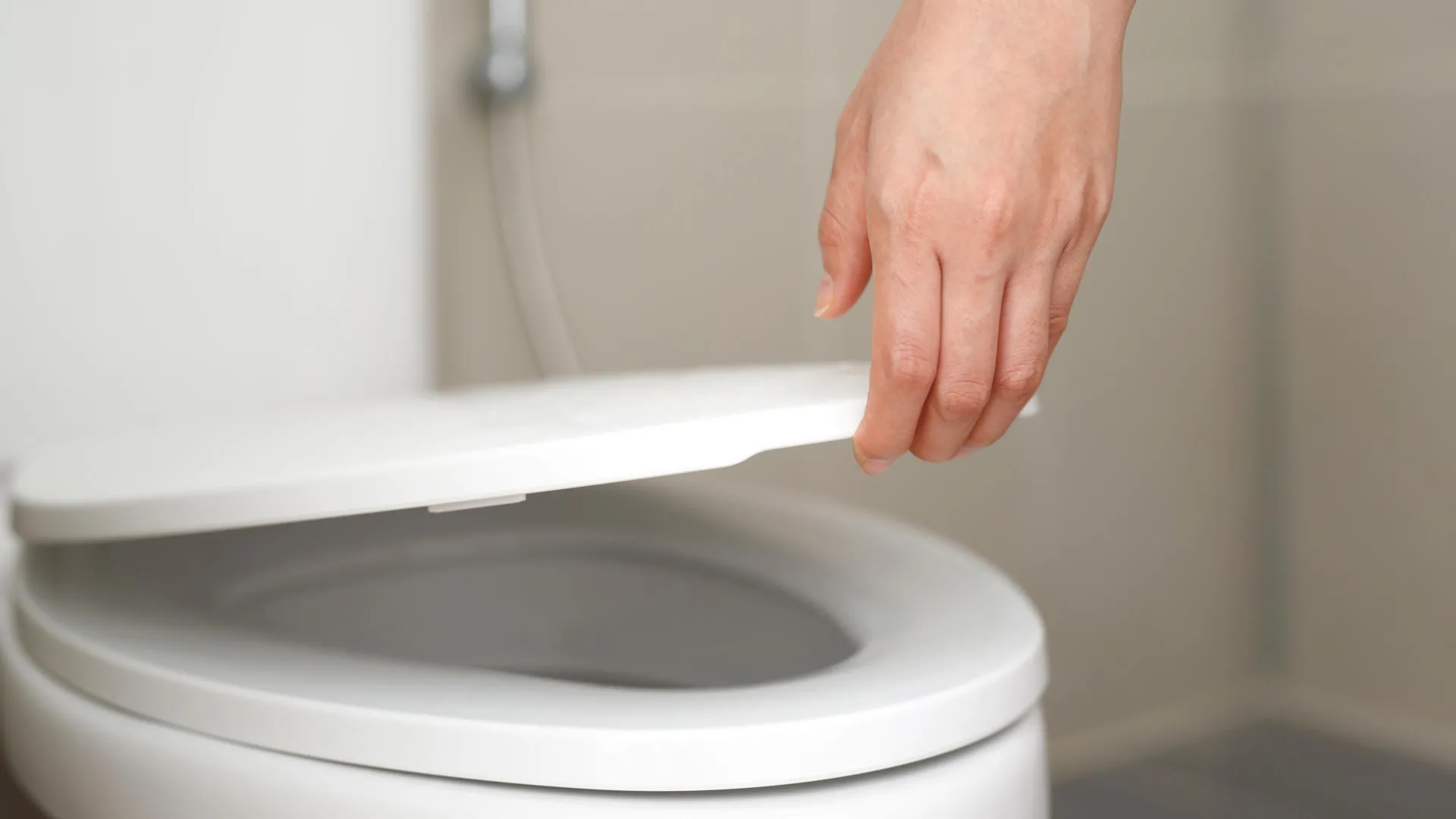
If you’re a parent or live with a medical condition that makes frequent trips to the bathroom unavoidable, you probably know which public restrooms you can use and which ones to avoid.
Even so, there are times when we are forced to use facilities that are far from clean. In such situations, many people hesitate. Even if the seat looks acceptable, is it safe to sit down, or could that decision make you sick?
What’s inside a public toilet?
The average adult produces more than 1 liter of urine and 100 grams of poop every day. Along with its waste products, the body excretes bacteria and viruses through feces and urine, and these microorganisms end up in the toilet.
Some people, especially those who experience diarrhea, can release higher levels of harmful microorganisms (bacteria and viruses). In crowded restrooms that aren’t cleaned frequently, these microbes can quickly accumulate, turning the environment into what researchers describe as a “microbial soup.”
Common bacteria found on toilet surfaces
Research has confirmed the presence of a wide range of microorganisms on toilet seats and nearby surfaces. These include:
- intestinal bacteria etc. Escherichia coli, Klebsiellaand EnterococcusThe same goes for viruses such as norovirus and rotavirus. These can cause gastroenteritis and cause vomiting and diarrhea
- skin-related bacteria, etc. Staphylococcus aureusincluding multidrug resistance Staphylococcus aureusThe same goes for Pseudomonas and Acinetobacter, which can cause infections.
- Single-celled organisms such as parasitic eggs (nematodes) and protozoa that can cause abdominal discomfort
There’s also biofilm, a layer of mixed microorganisms that can accumulate under the rim of your toilet and all over its surfaces.
Is the toilet seat the dirtiest part?
Surprisingly, that’s not the case. Studies have shown that toilet seats have fewer microorganisms than other frequently touched areas in public restrooms. Door handles, faucet knobs, and flush levers are frequently touched, often with unwashed hands, and prone to contamination.
In high-traffic locations, restrooms may be used hundreds or even thousands of times per week. Some places are cleaned regularly, while others, such as parks and bus stops, are cleaned less than once a day. Signs of poor cleaning include a strong urine odor, dirty floors, and visible dirt.
Hidden risks of toilet waste
Flushing your face can be a bigger concern than sitting. Flushing a toilet without a lid creates a “toilet plume” in which tiny water droplets are released into the air. These droplets contain bacteria and viruses from the bowl and can travel up to 2 meters.
Hand dryers can also lead to the spread of germs. If you don’t wash your hands properly, these devices can blow germs onto your skin, other people, and surrounding surfaces.
How germs spread in public restrooms
There are several ways bacteria can enter your body in public restrooms.
- Skin contact. Touching contaminated surfaces or sitting on dirty seats can transfer germs. Healthy skin protects it, but bacteria can enter through cuts and scrapes.
- touching your face. Touching your eyes, mouth, and food before washing your hands can introduce microorganisms into your body
- In small or crowded spaces, you can inhale airborne particles from toilet spray or hand dryers.
- Toilet water splash. Bacteria can remain in the water no matter how many times you flush it.
Practical ways to reduce risk
You can reduce your exposure with a few simple habits.
- Use a toilet seat cover or place toilet paper on the toilet seat before sitting.
- If you have a lid, wipe it with an alcohol wipe and close the lid before flushing to reduce exposure to toilet exhaust fumes. (However, please note that this does not completely prevent the spread of infection.)
- Wash your hands thoroughly with soap and water for at least 20 seconds
- Carry hand sanitizer or antibacterial wipes in case soap isn’t available.
- Avoid hand dryers whenever possible and use paper towels instead
- Clean your phone regularly and avoid using it in the bathroom as it can easily collect bacteria.
- Wipe your baby’s diaper changing area before and after use, and be sure to clean your hands after use
Is it safe to sit on public toilet seats?
For most healthy people, the risks of sitting on a public toilet are low. If you are concerned about this, it is safer to wipe the seat or cover it.
Infection is more likely to occur from contaminated hands, frequently touched surfaces, airborne droplets, and items such as phones used in the bathroom.
Don’t just focus on your seats; the most effective protection comes from good hygiene. Wash your hands properly, choose paper towels over the dryer, clean surfaces as needed, and keep personal items like your cell phone clean.
And don’t hover over the toilet. This position puts strain on your pelvic floor, making it harder to empty your bladder completely and increasing the chance of droplets being thrown out.
