

Close Menu

    Subscribe to Updates

    Get the latest creative news from FooBar about art, design and business.

    What's Hot

    Colon cancer is on the rise among young people, but doctors don’t fully understand why

    May 15, 2026

    Scientists ‘put the sun in a bottle’ with liquid batteries that store solar energy

    May 15, 2026

    Estrogen levels may influence the brain’s response to psychedelics, new animal study shows

    May 15, 2026
    Facebook X (Twitter) Instagram
    Facebook X (Twitter) Instagram
    Health Magazine
    • Home
    • Environmental Health
    • Health Technology
    • Medical Research
    • Mental Health
    • Nutrition Science
    • Pharma
    • Public Health
    • Discover
      • Daily Health Tips
      • Financial Health & Stability
      • Holistic Health & Wellness
      • Mental Health
      • Nutrition & Dietary Trends
      • Professional & Personal Growth
    • Our Mission
    Health Magazine
    Home » News » Stanford University scientists map molecular diversity in different populations around the world
    Discover

    Stanford University scientists map molecular diversity in different populations around the world

    healthadminBy healthadminMay 14, 2026No Comments4 Mins Read
    Stanford University scientists map molecular diversity in different populations around the world
    Share
    Facebook Twitter Reddit Telegram Pinterest Email


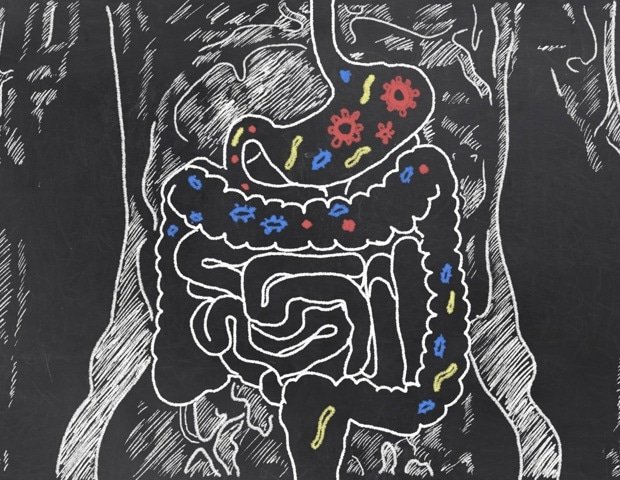
    Researchers at Stanford University School of Medicine have discovered that ethnicity and geography can influence a person’s molecular makeup, from metabolism and immunity to the gut microbiome and biological aging.

    The survey results are cell The paper, to be published on May 14, 2026, sheds light on the complex interactions between genetics and environment and provides insights for researchers and clinicians seeking to better understand healthcare in diverse populations.

    Preliminary findings provide new clues to further explore how a person’s ethnicity and environment influence many aspects of biology. Michael Snyder, Ph.D., Stanford W. Ascherman, MD, FACS Professor of Genetics, is co-senior author of the study. Research scientist Dr. Nasim Barapour is co-lead author.

    This study employed a comprehensive analytical approach to measure a variety of molecules in the human body, including lipids, microorganisms, proteins, and metabolites (molecules that represent metabolic activity) to build a new view of human molecular diversity across populations and regions.

    “For the first time, we have been able to perform detailed profiling of people around the world. This allows us to see what traits, such as metabolites and microbes, correlate with ethnicity and which traits correlate with geography,” Snyder said.


    Michael Snyder, PhD, Stanford W. Ascherman, MD, FACS Professor of Genetics, Stanford Medicine

    A global molecular portrait

    The researchers analyzed samples taken from 322 healthy people of European, East Asian, and South Asian descent living in Asia, Europe, and North America, all of whom attended the conference together. By recruiting participants from the same ethnic background but different geographic locations, the researchers were able to disentangle the effects of genetic ancestry from those of the environment.

    This study identified several molecular signatures associated with ethnicity. For example, South Asian participants had higher levels of exposure to pathogens, whereas people of European descent had higher gut microbial diversity and elevated levels of metabolites associated with cardiovascular disease. These patterns persisted regardless of where participants lived, indicating a strong genetic component in the formation of human molecular identity.

    Where people live also leaves a measurable imprint on biology. Geographical relocation, meaning people no longer living on their ancestral continents, was associated with significant changes in metabolic and lipid networks, including cholesterol, bile acid, and arachidonic acid pathways, as well as selective changes in the gut microbiota.

    Snyder said one of the study’s most striking findings concerns the relationship between geography and biological age, a measure of how old your body’s cells and tissues are at a molecular level that may be different from your chronological age.

    “East Asians living outside of Asia are older than those living in Asia. Europeans living outside of Europe are younger,” Snyder said.

    These diverse aging patterns highlight how the environment regulates biological age and raise important questions about lifestyle, dietary, and microbiome factors that can accelerate or slow the aging process.

    new molecular bonds

    Among the study’s novel mechanistic findings, researchers identified a link between the expression of a key telomerase gene associated with cellular aging and longevity and the enterobacterium Oscillospiraceae UCG-002 through the lipid molecule sphingomyelin. This discovery paves the way to understanding how the gut microbiome influences aging at the molecular level.

    The dataset generated by this study is a valuable open-access resource to advance precision medicine and tailor care to each patient’s individual characteristics, Snyder said. By elucidating how ethnicity and environment interact to shape molecular biology, this discovery lays the foundation for more equitable and effective diagnostic, therapeutic, and prevention strategies for the world’s diverse populations.

    sauce:

    Reference magazines:

    Ballapur, N. others (2026) Comparing deep multiomic profiles across ethnicity, geography, and age. cell. DOI:10.1016/j.cell.2026.04.032. https://www.cell.com/cell/fulltext/S0092-8674(26)00467-8.


    Source link

    Visited 1 times, 1 visit(s) today
    Share. Facebook Twitter Pinterest LinkedIn Telegram Reddit Email
    Previous ArticleChromie Health wins $2M for nurse staffing AI tool
    Next Article Brain cells store competing memories that promote or inhibit alcohol relapse
    healthadmin

    Related Posts

    Perioperative medicine emerges as a system-wide strategy to achieve better surgical outcomes

    May 14, 2026

    Brain immune cells found to regulate anxiety and grooming behavior

    May 14, 2026

    Clinical trial questions long-held beliefs about brittle bone disease treatment

    May 14, 2026

    Study traces heart disease risk in adults to the womb

    May 14, 2026

    Identify methodological gaps that hinder treatment of chronic diseases caused by infectious diseases

    May 14, 2026

    Thyroid hormone profile provides important prognostic clues for patients facing liver failure

    May 14, 2026
    Add A Comment
    Leave A Reply Cancel Reply

    Categories

    • Daily Health Tips
    • Discover
    • Environmental Health
    • Exercise & Fitness
    • Featured
    • Featured Videos
    • Financial Health & Stability
    • Fitness
    • Fitness Updates
    • Health
    • Health Technology
    • Healthy Aging
    • Healthy Living
    • Holistic Healing
    • Holistic Health & Wellness
    • Medical Research
    • Medical Research & Insights
    • Mental Health
    • Mental Wellness
    • Natural Remedies
    • New Workouts
    • Nutrition
    • Nutrition & Dietary Trends
    • Nutrition & Superfoods
    • Nutrition Science
    • Pharma
    • Preventive Healthcare
    • Professional & Personal Growth
    • Public Health
    • Public Health & Awareness
    • Selected
    • Sleep & Recovery
    • Top Programs
    • Weight Management
    • Workouts
    Popular Posts
    • 1773313737_bacteria_-_Sebastian_Kaulitzki_46826fb7971649bfaca04a9b4cef3309-620x480.jpgHow Sino Biological ProPure™ redefines ultra-low… March 12, 2026
    • the-pros-and-cons-of-paleo-dietsThe Pros and Cons of Paleo Diets: What Science Really Says April 16, 2025
    • pexels-david-bartus-442116The food industry needs to act now to cut greenhouse… January 2, 2022
    • 1773729862_TagImage-3347-458389964760995353448-620x480.jpgDespite safety concerns, parents underestimate the… March 17, 2026
    • Improve Mental Health10 Science-Backed Practices to Improve Mental Health… March 11, 2025
    • 1773209206_futuristic_techno_design_on_background_of_supercomputer_data_center_-_Image_-_Timofeev_Vladimir_M1_4.jpegMulti-agent AI systems outperform single models… March 11, 2026

    Demo
    Stay In Touch
    • Facebook
    • Twitter
    • Pinterest
    • Instagram
    • YouTube
    • Vimeo
    Don't Miss

    Colon cancer is on the rise among young people, but doctors don’t fully understand why

    By healthadminMay 15, 2026

    The incidence of colorectal cancer is decreasing among older adults, primarily due to increased screening.…

    Scientists ‘put the sun in a bottle’ with liquid batteries that store solar energy

    May 15, 2026

    Estrogen levels may influence the brain’s response to psychedelics, new animal study shows

    May 15, 2026

    Study: PSA test likely reduces risk of death from prostate cancer

    May 15, 2026

    Subscribe to Updates

    Get the latest creative news from SmartMag about art & design.

    HealthxMagazine
    HealthxMagazine

    At HealthX Magazine, we are dedicated to empowering entrepreneurs, doctors, chiropractors, healthcare professionals, personal trainers, executives, thought leaders, and anyone striving for optimal health.

    Our Picks

    Study: PSA test likely reduces risk of death from prostate cancer

    May 15, 2026

    Musicians show a small but steady advantage in sustained attention from childhood to adulthood

    May 14, 2026

    Supreme Court upholds access to mifepristone while litigation continues

    May 14, 2026
    New Comments
      Facebook X (Twitter) Instagram Pinterest
      • Home
      • Privacy Policy
      • Our Mission
      © 2026 ThemeSphere. Designed by ThemeSphere.

      Type above and press Enter to search. Press Esc to cancel.