


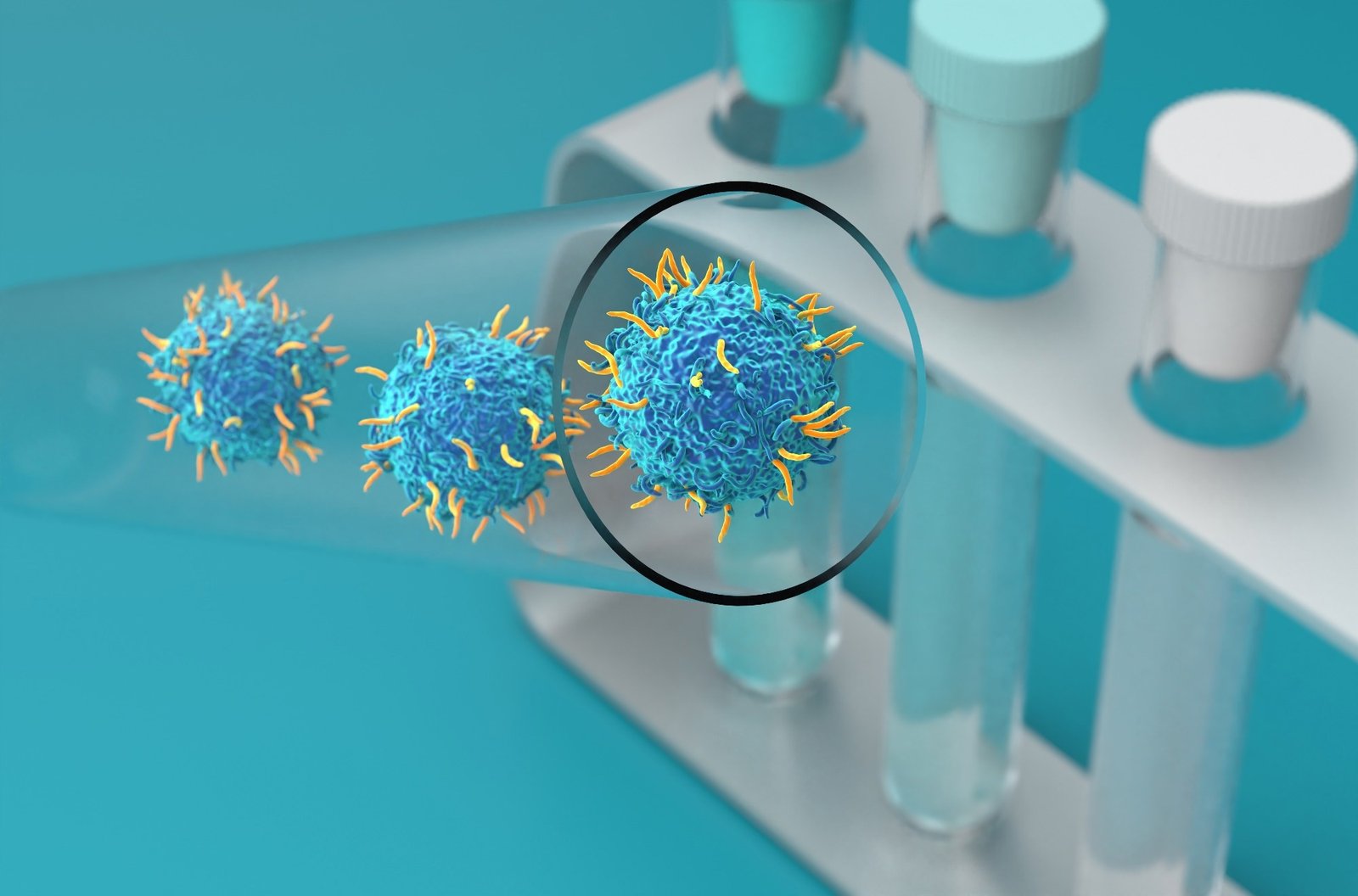
By mapping CAR-T cells one by one, researchers are uncovering cell characteristics that may differentiate between a sustained cancer response and recurrence.
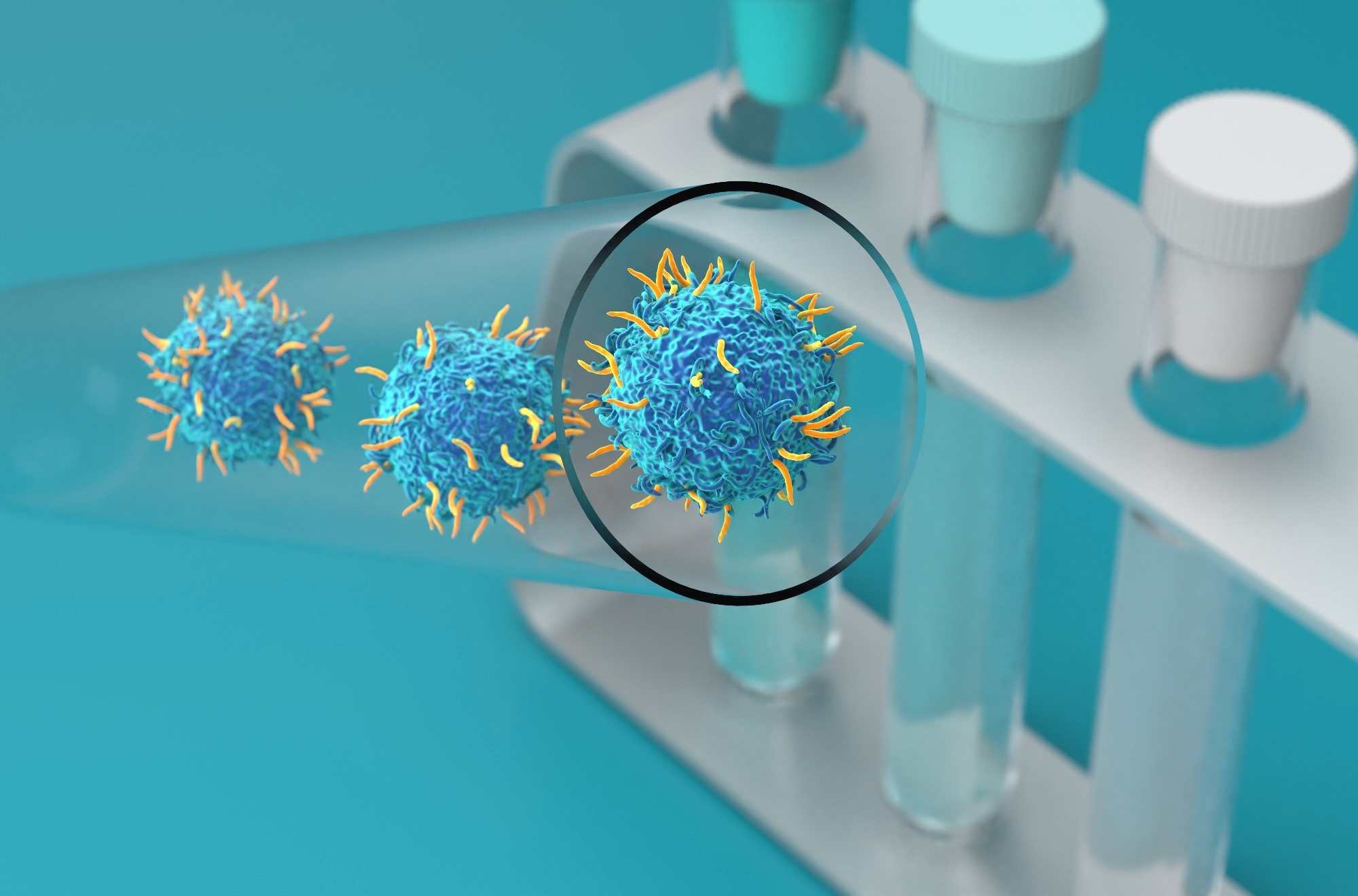
Review: Clinical CAR-T cell mapping: insights from scRNA-seq. Image credit: Nemes Laszlo / Shutterstock
In a recent review published in a magazine Trends in molecular medicineUS researchers synthesized results from single-cell RNA sequencing (scRNA-seq; n = 44 studies) to identify transcriptional patterns associated with how well patients respond to CAR-T cell therapy.
Single cell analysis of CAR-T responses
Chimeric antigen receptor T cell (CAR-T) therapy is considered one of the breakthroughs of modern medicine. This treatment involves harvesting a patient’s own immune cells, genetically engineering them to recognize specific tumor markers, and injecting them into the body to seek out and destroy cancer.
However, long-term evaluations have increasingly revealed that while this approach has led to durable remissions in previously untreatable leukemias and lymphomas, a significant proportion of patients still face relapse or resistance. One possible reason is that until recently, researchers could only study these cells “in bulk,” unable to observe the average behavior of millions of cells at once.
This lack of detailed resolution meant that highly effective cells could be hidden from the dataset, along with “exhausted” cells that fail prematurely, leading to incomplete conclusions.
The advent of single-cell RNA-seq (scRNA-seq), a method for tagging and sequencing messenger RNA (mRNA) from individual cells, has provided high-resolution analytical tools to observe these dynamics at the single-cell level. Understanding the journey of these individual cells may be the key to determining why some treatments last long while others are short-lived.
scRNA-seq review scope and cohorts
This review aimed to address this knowledge gap by integrating findings from 44 different studies that utilized scRNA-seq to track CAR-T cells in human patients. The cohort included a total of 500 patients, primarily with hematologic malignancies such as B-cell lymphoma (197 patients), acute lymphoblastic leukemia (ALL) (159 patients), multiple myeloma (54 patients), and solid or brain tumors (80 patients).
Research methods primarily consisted of 10x genomics data from infusion products (the “drug” itself), peripheral blood, bone marrow, and other sources. Key phenotypes and readouts of the analysis include: 1. Fatigue, the loss of cell function over time; 2. Cytotoxicity, the tumor-killing activity of cells often involves proteins such as granzymes and perforin; 3. Memory and stemness, the ability of cells to survive and proliferate over long periods of time; and 4. Clonal diversity, which refers to how many unique types of T-cell “families” (clones) survive after many treatments. process.
Fatigue, memory, and cloning dynamics
The results of this review suggest that cellular exhaustion is one of the most consistent correlates of poor clinical outcome in CAR-T. Studies have found that patients who did not respond to treatment or who relapsed early had higher expression of fatigue-related genes such as LAG3, PDCD1 (PD-1), and HAVCR2 (TIM-3).
The data further identify a “balancing effect” between cytotoxicity and memory, with several studies linking better responses to injected products enriched with memory-like cells, while the cytotoxic program appears to be more time- and context-dependent. Specifically, data from five separate studies showed that those who responded better had a higher percentage of memory cells at the time of the injection.
However, once these memory cells enter the patient’s body, they must differentiate into more cytotoxic cells to eliminate the tumor. Overall, the review results revealed a significant prevalence of targeting, with the majority of sequenced patients (329) receiving CAR T cells that target CD19, the most common marker for B-cell cancer.
Furthermore, examination of clonal dynamics showed that although clonal patterns vary by disease and study, some long-term responders have highly expanded and persistent CAR-T cell clones. These findings suggest that persistence, clonal diversity, and cellular status may all influence long-term remission.
Tracking and future direction of brain tumor CAR-T
Finally, recent studies highlight that while brain tumors are difficult to treat due to the blood-brain barrier, early studies in brain tumors, including analysis of cerebrospinal fluid (CSF) and tumor samples, suggest that scRNA-seq may be useful for tracking CAR-T cell activity and immune remodeling in the central nervous system setting. However, the evidence is still preliminary, sample numbers are limited, and representative tumor samples are difficult to obtain.
This review is one of the first to provide an extensive synthesis and shows that scRNA-seq is helping to make CAR-T responses more interpretable at single-cell resolution. The findings highlight significant hurdles that must be overcome before CAR-T therapy can further advance modern tumor treatment: the high cost of sequencing, the need for specialized bioinformaticians, and the current lack of standardized data across laboratories.
The authors conclude that as sample sizes increase and technology becomes more affordable, these high-resolution genetic insights could help researchers improve T cells to maximize fitness, potentially bringing the success seen in blood cancers to the more challenging realm of solid tumors.
Click here to download your PDF copy.
