


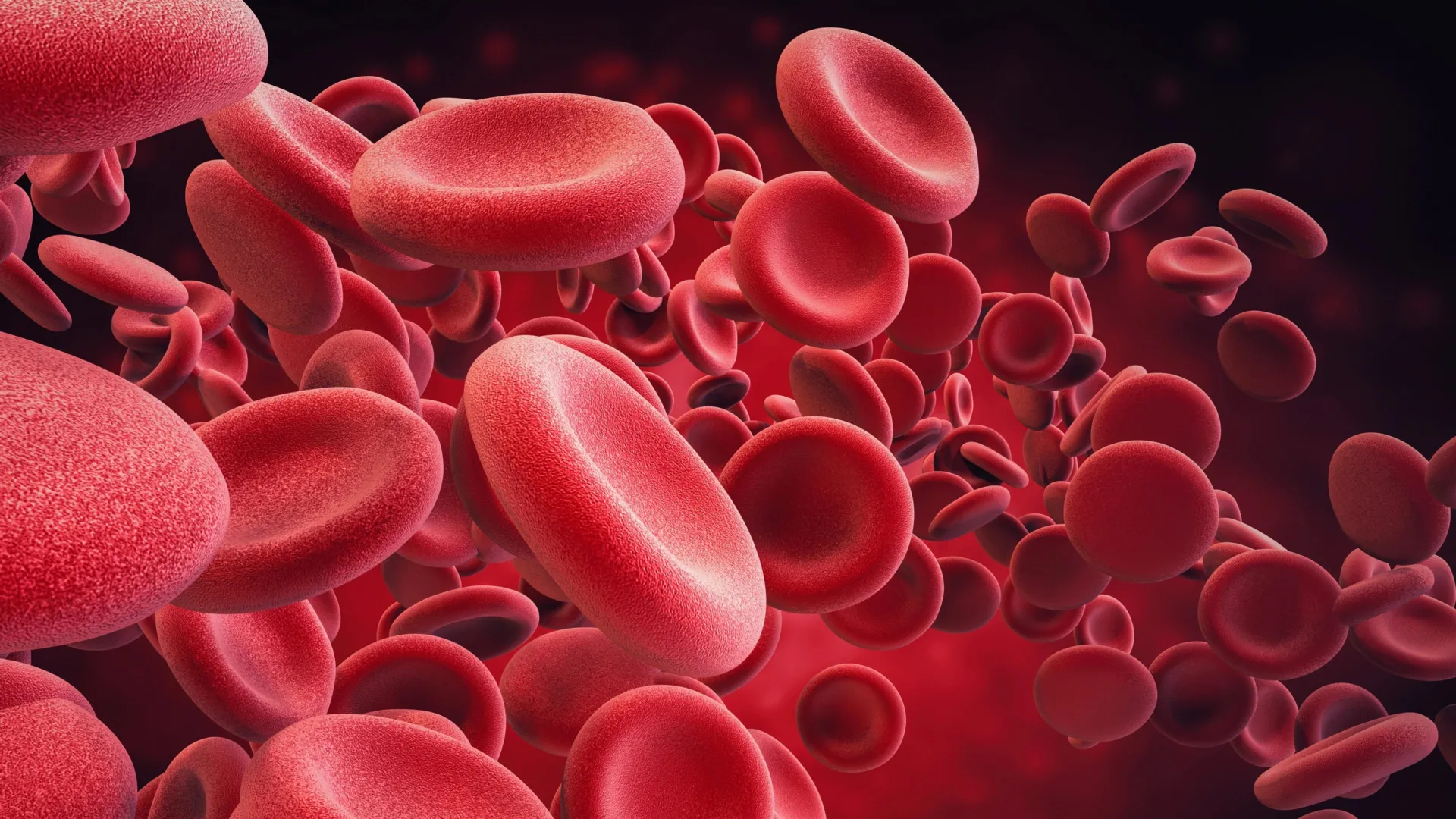
Scientists at the Icahn School of Medicine at Mount Sinai have successfully reversed aging in hematopoietic stem cells in mice by repairing defects in structures known as lysosomes. The survey results are cell stem cellspoint out that lysosome dysfunction and overactivity are the main causes of stem cell aging, and show that restoring proper lysosome activity can rejuvenate old stem cells and improve their ability to regenerate blood and immune cells.
Lysosomes act as internal recycling centers of cells. They break down proteins, nucleic acids, carbohydrates, and lipids, helping cells process waste products and recycle materials needed for important biological processes. It also stores nutrients that can be released when needed. Because of these roles, lysosomes are important for maintaining cellular metabolism, which includes both catabolism (breaking down complex molecules into simpler molecules) and anabolism (building complex molecules from simpler molecules).
The research team focused on hematopoietic stem cells (HSCs). HSCs are rare, long-lasting stem cells found in the bone marrow that generate all the blood cells and immune cells in the body. The research was led by Sagi Ghaffari, MD, professor of cell, developmental, and regenerative biology at the Icahn School of Medicine and member of the Black Family Stem Cell Institute.
As a person ages, these stem cells gradually lose their ability to repair and replenish the blood system. This decline weakens immune defenses and contributes to the increased vulnerability to infections seen in older adults. HSC aging is also associated with clonal hematopoiesis, a subclinical condition that is considered a precancerous condition that increases the risk of blood cancers and inflammatory diseases. This condition becomes more common with age.
According to the American Cancer Society, age and smoking are the two strongest risk factors associated with the five-year risk of developing cancer. According to data from the National Cancer Institute’s Surveillance, Epidemiology, and End Results Report, the median age at cancer diagnosis is 67 years.
Return old stem cells to a youthful state
The researchers found that the lysosomes of aging HSCs became overly acidic, damaged, depleted, and abnormally active. These changes disrupt both the metabolic balance and epigenetic stability of stem cells.
Using single-cell transcriptomics and functional testing, the researchers found that blocking this excessive lysosomal activity with a vacuolar ATPase inhibitor restored lysosomal health and improved function of aging blood stem cells.
After treatment, the old stem cells started behaving like young, healthy cells again. They have regained the ability to effectively regenerate, produce balanced blood and immune cells, and generate additional healthy stem cells. The treated cells also showed improved metabolic and mitochondrial performance, healthier epigenetic patterns, less inflammation, and fewer harmful inflammatory signals that can damage tissues throughout the body.
“Our findings reveal that aging of blood stem cells is not an irreversible fate. Old blood stem cells have the ability to return to a younger state and can bounce back,” Dr. Ghaffari said. “By slowing down lysosomes and reducing their acidity, stem cells became healthier and were able to make new, balanced blood cells and new stem cells more efficiently. By targeting lysosome hyperactivity, we were able to reset aging stem cells to a younger, healthier state and improve their ability to regenerate blood and immune cells.”
Significant increase in hematopoietic capacity
The researchers also tested an in vitro therapeutic approach, in which cells are removed from the body, modified in the lab, and then returned to the body. Treatment of old stem cells with lysosomal inhibitors increased hematopoietic capacity in living animals more than eight-fold, highlighting a strong regenerative effect to correct lysosomal dysfunction.
This improvement also reduced harmful inflammatory and interferon-related pathways. According to the researchers, this happened because the healthier lysosomes improved the processing of mitochondrial DNA and reduced activation of the cGAS-STING immune signaling pathway, which appears to play a key role in stem cell inflammation and aging.
Potential for anti-aging and blood disease treatment
The discovery could open the door to new treatments aimed at preventing or reversing age-related blood disorders. It also has the potential to improve outcomes of stem cell transplants in older patients and enhance conditioning methods used in gene therapy.
“Lysosomal dysfunction is emerging as a central factor in stem cell aging,” Dr. Ghaffari added. “Targeting this pathway could one day maintain blood and immune system health in older adults, improve stem cells for transplantation, reduce the risk of age-related blood diseases, and perhaps impact overall aging.”
The research team is currently investigating whether lysosomal dysfunction in aging stem cells contributes to the development of leukemia stem cells, suggesting that normal aging of stem cells may be linked to cancer formation.
This research includes collaboration with Dr. Mickaël Ménager and colleagues from the Imagine Institute and INSERM UMR 1163 at the Cité Université Paris in Paris. Funding was provided by the National Institutes of Health, New York State Stem Cell Science, INSERM, and the National Institutes of Health.
