


Scientists have discovered a molecular “switch” in mice that turns on an energy-burning system hidden inside brown fat. This discovery could ultimately help researchers develop new treatments for bone diseases.
The survey results are natureprovides new insights into how brown fat functions. Unlike white fat, which stores energy, brown fat burns calories and produces heat. Scientists have long believed that this heat production relies on a single biological pathway. But in recent years, researchers have identified a second pathway that functions in parallel to the original, but it was unclear what activates it.
A team led by Lawrence Kazak of McGill University’s Rosalind Morris Goodman Cancer Institute has identified the molecular triggers of this alternative system, known as the wasteful creatine cycle.
Scientists identify brown fat ‘switched on’
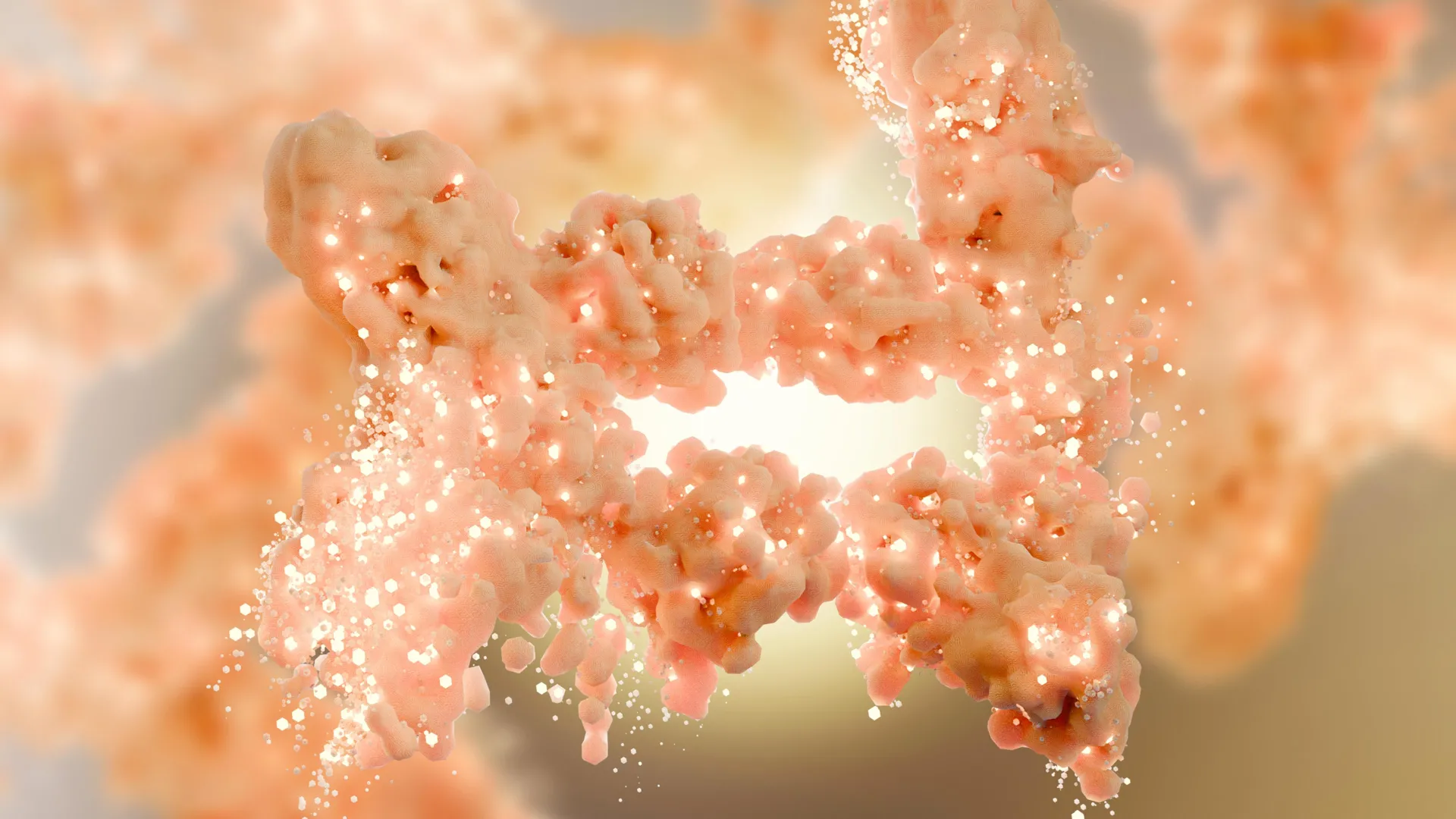
When the body is exposed to cold temperatures, stored fat is broken down to generate heat. This process releases glycerol, a molecule produced during fat metabolism. Working with McGill structural biologist Alba Guarne, who holds the Canada Research Chair in Macromolecular Machinery in DNA Damage and Repair, the researchers discovered that glycerol binds to an enzyme called TNAP in a region called the glycerol pocket. This interaction activates alternative heat production pathways.
“This is the first time we have identified how an alternative thermogenic pathway is activated independently of the classical system,” said Kazak, an associate professor in the Department of Biochemistry and Canada Research Chair in Adipocyte Biology. “This opens the door to understanding how multiple energy-burning systems work together to keep the body at the right temperature.”
Discovery that could advance bone disease research
Brown fat has received attention for its possible role in metabolism and obesity research. Although the new findings may ultimately contribute to these fields, the researchers say the most immediate significance may be related to bone health, as TNAP already has a well-established role in bone formation.
The TNAP enzyme is essential for mineralization, the process that builds and maintains strong bones. Mutations that reduce TNAP activity can cause hypophosphatasia, a rare disease also called “cartilage.” This condition can cause bone fractures, chronic pain, and skeletal abnormalities. Certain genetic mutations have made the disorder more common in parts of Canada, including Quebec and Manitoba.
By studying TNAP mutations in laboratory experiments, researchers discovered that the same molecular switch involved in energy-burning fat cells also directly affects the cells responsible for bone mineralization and hardening.
The study builds on previous work by co-author Mark McKee of McGill and co-author Jose Luis Milan of the Sanford Burnham Prebys Institute for Medical Discovery. Their previous work helped develop a first-in-class enzyme replacement therapy designed specifically for hypophosphatasia patients who have a defect in the TNAP enzyme.
“This discovery opens the door to a new class of treatments. Increasing the activity of the TNAP enzyme through the glycerol pocket with natural or synthetic bioactive compounds could potentially enhance the beneficial effects of the enzyme in patients and restore deficient bone mineralization to healthy levels,” said McKee, professor in the Faculty of Dentistry and Oral Health Sciences and the Faculty of Medicine and Health Sciences and Canada Research Chair in Biomineralization.
Researchers have already identified dozens of drug candidates for future research.
About research
The study “Glycerol-driven TNAP activation in thermogenesis and mineralization” by Mohammed Faiz Hussain, Lawrence Kazak et al. nature.
The project included collaboration with scientists at Queen Mary University of London, Northeastern University, the Sanford Burnham Prebys Institute for Medical Discovery, and the Maine Health Research Institute. Funding was provided by the Canadian Institutes of Health Research, the Natural Sciences and Engineering Research Council of Canada, and the Fondation du Québec de Santé.
