

Close Menu

    Subscribe to Updates

    Get the latest creative news from FooBar about art, design and business.

    What's Hot

    Exposure to pesticides linked to 150% increased cancer risk in large study

    April 27, 2026

    Can doula care improve pregnancy outcomes?

    April 27, 2026

    The shocking origins of the human eye can be traced back to the ancient “cyclops”

    April 27, 2026
    Facebook X (Twitter) Instagram
    Facebook X (Twitter) Instagram
    Health Magazine
    • Home
    • Environmental Health
    • Health Technology
    • Medical Research
    • Mental Health
    • Nutrition Science
    • Pharma
    • Public Health
    • Discover
      • Daily Health Tips
      • Financial Health & Stability
      • Holistic Health & Wellness
      • Mental Health
      • Nutrition & Dietary Trends
      • Professional & Personal Growth
    • Our Mission
    Health Magazine
    Home » News » The shocking origins of the human eye can be traced back to the ancient “cyclops”
    Nutrition Science

    The shocking origins of the human eye can be traced back to the ancient “cyclops”

    healthadminBy healthadminApril 27, 2026No Comments4 Mins Read
    The shocking origins of the human eye can be traced back to the ancient “cyclops”
    Share
    Facebook Twitter Reddit Telegram Pinterest Email


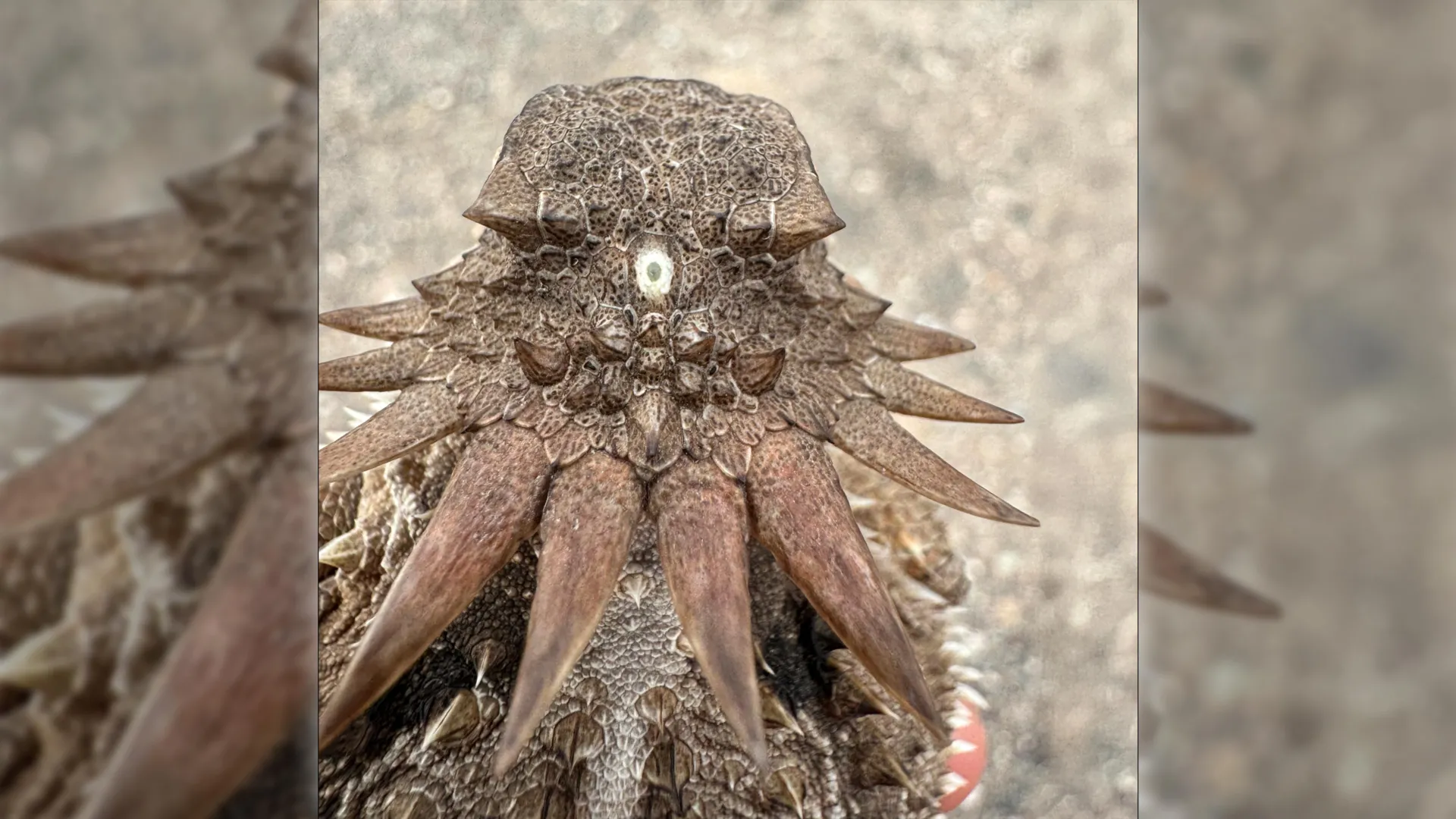
    Humans share a surprisingly bizarre ancestry with all other vertebrates. A new study suggests that, going back far into our evolutionary history, one of our earliest relatives had a single eye, much like a small cyclops, located on the top of its head.

    Scientists from Lund University and the University of Sussex report that all vertebrates can be traced back to this ancient one-eyed creature. According to their findings, remnants of that original “median eye” still exist today, but in a very different shape. It became the pineal gland, a small structure deep in the brain.

    “The results are surprising and turn our understanding of eye and brain evolution upside down,” said Dan E. Nilsson, professor emeritus of sensory biology at Lund University.

    An insect-like creature from 600 million years ago

    This distant ancestor lived about 600 million years ago. It was a small insect-like animal that spent most of its time in one place, filtering and feeding on plankton from seawater. Early in their evolutionary history, they likely had two eyes, like many other animals.

    “We don’t know whether the pairs of eyes on this branch of the evolutionary tree were just light-sensitive cells or simple image-forming eyes. All we know is that organisms later lost them,” says Dan E. Nilsson.

    As this creature adapted to a more stationary lifestyle, it no longer needed to have two eyes. Over time, that pair of eyes disappeared.

    How a single “median eye” took over

    Even after losing its pair of eyes, the creature retained a cluster of light-sensitive cells in the center of its head. These cells gradually formed a simple single eye that could sense light and darkness and help the animal recognize direction.

    Millions of years later, this ancestor became active again and returned to a swimming lifestyle. This change has created new pressure to develop better vision. Researchers believe that part of the original median eye eventually gave rise to a new pair of eyes capable of forming images.

    Why are vertebrate eyes so different?

    This unusual evolutionary path helps explain why vertebrate eyes have a different structure from the eyes of other animals, such as insects and squid.

    “We finally understand why the eyes of vertebrates are fundamentally different from the eyes of all other animal groups, such as insects and squids. The membrane of our eyes, the retina, developed from the brain, while the eyes of insects and squids originate from the skin on the sides of the head,” Dany-Nilsson says.

    In vertebrates, the retina is essentially an extension of the brain. In contrast, many other animals develop eyes from surface tissues of their bodies.

    The detour that shaped our modern vision

    Researchers describe this history as an unusual evolutionary detour. Rather than evolving directly from an early eye structure, vertebrate vision appears to have been rebuilt from this single median eye after the loss of an early pair of eyes.

    This conclusion follows from detailed comparisons of light-sensitive cells across different animal groups, as well as their structure and location within the body.

    “For the first time, we also understand the origins of the neural circuitry that analyzes images in the retina,” added Dan E. Nilsson.

    The pineal gland: the living remains of an ancient eye

    One of the most interesting discoveries is that parts of this ancient eye still exist in humans today. It evolved into the pineal gland, a light-sensitive organ in the brain.

    The pineal gland produces melatonin, a hormone that helps control the body’s circadian rhythms, including sleep patterns.

    “It is surprising that our pineal gland’s ability to regulate sleep in response to light originates from the circular median eye of our distant ancestors 600 million years ago,” concludes Dan-E. Nilsson.


    Source link

    Visited 1 times, 1 visit(s) today
    Share. Facebook Twitter Pinterest LinkedIn Telegram Reddit Email
    Previous ArticleSimply changing your exercise habits can add years to your life
    Next Article Can doula care improve pregnancy outcomes?
    healthadmin

    Related Posts

    Exposure to pesticides linked to 150% increased cancer risk in large study

    April 27, 2026

    Simply changing your exercise habits can add years to your life

    April 27, 2026

    DNA testing of mescal bugs in bottles reveals surprising results

    April 26, 2026

    Panama’s marine lifeline disappears for the first time in 40 years

    April 26, 2026

    Blood vessels found in Tyrannosaurus bone are rewriting dinosaur science

    April 26, 2026

    DNA research has truly rewritten the origins of humanity.

    April 26, 2026
    Add A Comment
    Leave A Reply Cancel Reply

    Categories

    • Daily Health Tips
    • Discover
    • Environmental Health
    • Exercise & Fitness
    • Featured
    • Featured Videos
    • Financial Health & Stability
    • Fitness
    • Fitness Updates
    • Health
    • Health Technology
    • Healthy Aging
    • Healthy Living
    • Holistic Healing
    • Holistic Health & Wellness
    • Medical Research
    • Medical Research & Insights
    • Mental Health
    • Mental Wellness
    • Natural Remedies
    • New Workouts
    • Nutrition
    • Nutrition & Dietary Trends
    • Nutrition & Superfoods
    • Nutrition Science
    • Pharma
    • Preventive Healthcare
    • Professional & Personal Growth
    • Public Health
    • Public Health & Awareness
    • Selected
    • Sleep & Recovery
    • Top Programs
    • Weight Management
    • Workouts
    Popular Posts
    • the-pros-and-cons-of-paleo-dietsThe Pros and Cons of Paleo Diets: What Science Really Says April 16, 2025
    • Improve Mental Health10 Science-Backed Practices to Improve Mental Health… March 11, 2025
    • How Healthy Living Is Transforming Modern Wellness TrendsHow Healthy Living Is Transforming Modern Wellness… December 3, 2025
    • Kankakee_expansion.jpgCSL releases details of $1.5 billion U.S.… March 10, 2026
    • urlhttps3A2F2Fcalifornia-times-brightspot.s3.amazonaws.com2Fc32Fcd2F988500d440f2a55515940909.jpegA ‘reckless’ scrapyard with a history of… October 24, 2025
    • Healthy Living: Expert Tips to Improve Your Health in 2026Healthy Living: Expert Tips to Improve Your Health in 2026 November 16, 2025

    Demo
    Stay In Touch
    • Facebook
    • Twitter
    • Pinterest
    • Instagram
    • YouTube
    • Vimeo
    Don't Miss

    Exposure to pesticides linked to 150% increased cancer risk in large study

    By healthadminApril 27, 2026

    Major new research published in natural health found a strong association between environmental exposure to…

    Can doula care improve pregnancy outcomes?

    April 27, 2026

    The shocking origins of the human eye can be traced back to the ancient “cyclops”

    April 27, 2026

    Simply changing your exercise habits can add years to your life

    April 27, 2026

    Subscribe to Updates

    Get the latest creative news from SmartMag about art & design.

    HealthxMagazine
    HealthxMagazine

    At HealthX Magazine, we are dedicated to empowering entrepreneurs, doctors, chiropractors, healthcare professionals, personal trainers, executives, thought leaders, and anyone striving for optimal health.

    Our Picks

    Simply changing your exercise habits can add years to your life

    April 27, 2026

    Scientists map 239 human-infectious RNA viruses to track future outbreak risks

    April 27, 2026

    Vitamin E intake linked to key fertility hormones in women trying to conceive

    April 27, 2026
    New Comments
      Facebook X (Twitter) Instagram Pinterest
      • Home
      • Privacy Policy
      • Our Mission
      © 2026 ThemeSphere. Designed by ThemeSphere.

      Type above and press Enter to search. Press Esc to cancel.