

Close Menu

    Subscribe to Updates

    Get the latest creative news from FooBar about art, design and business.

    What's Hot

    A shattered asteroid may have hit Earth 800 million years ago

    July 18, 2026

    Popular sugar substitute linked to faster brain aging

    July 18, 2026

    Alcohol alters mathematical markers of brain inhibition

    July 18, 2026
    Facebook X (Twitter) Instagram
    Facebook X (Twitter) Instagram
    Health Magazine
    • Home
    • Environmental Health
    • Health Technology
    • Medical Research
    • Mental Health
    • Nutrition Science
    • Pharma
    • Public Health
    • Discover
      • Daily Health Tips
      • Financial Health & Stability
      • Holistic Health & Wellness
      • Mental Health
      • Nutrition & Dietary Trends
      • Professional & Personal Growth
    • Our Mission
    Health Magazine
    Home » News » Researchers trace the origins of blood cells back to their single-cell ancestors
    Discover

    Researchers trace the origins of blood cells back to their single-cell ancestors

    healthadminBy healthadminMay 25, 2026No Comments3 Mins Read
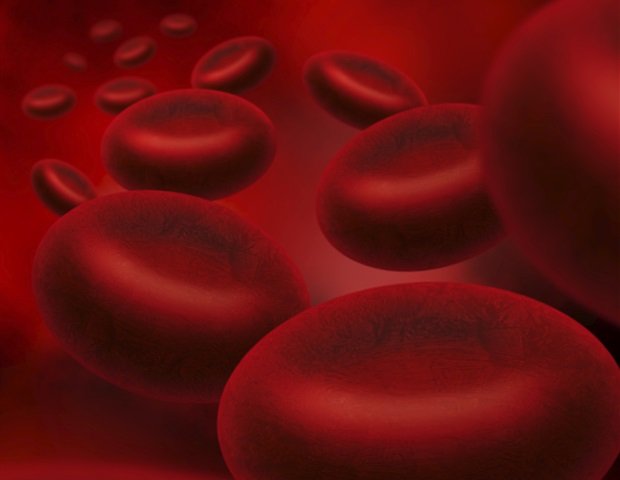
    Researchers trace the origins of blood cells back to their single-cell ancestors
    Share
    Facebook Twitter Reddit Telegram Pinterest Email


    Almost all animal species, including humans, have blood cells, but in different species, our blood tells different stories. The lineage and composition of blood cells vary widely, and this diversity is evidence of how animals have evolved to protect themselves from infectious diseases.

    Thanks to advances in hematology and immunology, we now have detailed knowledge of the composition and function of both human and mouse blood cells. However, little is known about its evolutionary history. Inspired by this, a research team from Kyoto University investigated when and how blood cells arose and how they diversified.

    The team began by developing new analytical methods to compare gene expression profiles across different cell lineages and animal species. This allowed them to construct phylogenetic trees of cell lineages and estimate the evolutionary history of these lineages in animals. They also included unicellular organisms in their comparison to trace the origin of blood cells back to their unicellular ancestors.

    Among the various lineages of human blood cells observed by the research team: macrophage shows the most striking similarity to unicellular organisms, suggesting that early blood cells were macrophage-like. Then they traced the gene Foss It is commonly expressed in blood cells across animal species and can be traced back to unicellular ancestors that lived 700 million years ago, suggesting that the first blood cells appeared around the same time as multicellular animals.

    This discovery suggests that early animals generated the first blood cells by recycling genetic material inherited from their unicellular ancestors. The researchers’ analysis also revealed that mast cells diverged from macrophages, and later prototype T cells and red blood cells diverged from mast cells. Additionally, prototype B cells diverged from macrophages after mast cell isolation.

    In the end, scientists succeeded in reconstructing the 700 million-year-old family tree of blood cells, revealing the evolutionary history that has been imprinted on our bodies by the differentiation pathways of these cells. This study shows that the blood and immune cells circulating in our bodies can be considered a successful extension of the legacy left to us by our single-celled ancestors.

    We are deeply moved by these discoveries, which represent the culmination of our research and show that the differentiation pathways of vertebrate blood cells reflect the 700 million-year evolutionary history of these cells. ”


    Hiroshi Kawamoto Team Leader

    “Realizing that this heritage from time immemorial is circulating in my body as blood cells makes me feel closer to our distant ancestors,” added lead author Yosuke Nagahata from the Spanish Institute of Evolutionary Biology.

    The researchers hope that the methods developed in this study will help elucidate the evolutionary origins of diseases such as cancer, potentially leading to a deeper understanding of mechanisms and the development of new treatments.

    sauce:

    Reference magazines:

    Animals have extended the evolutionary legacy of their unicellular ancestors in blood cells. Proceedings of the National Academy of Sciences. DOI: 10.1073/pnas.2528110123


    Source link

    Visited 11 times, 1 visit(s) today
    Share. Facebook Twitter Pinterest LinkedIn Telegram Reddit Email
    Previous ArticleAntarctic mission study reveals how continued proximity increases team conflict
    Next Article Roswell Park scientists present 5 major cancer studies at clinical conference
    healthadmin

    Related Posts

    New portable strip test accurately detects mosquito-borne viruses

    July 17, 2026

    Training helps pediatricians independently treat anxiety and depression in children

    July 17, 2026

    New ctDNA blood test improves personalized prostate cancer treatment

    July 17, 2026

    Anti-vaccine bills surge across the U.S. due to political polarization

    July 17, 2026

    Long-term study reveals how neighborhood conditions affect women’s heart health

    July 17, 2026

    Common diabetes drugs do not change risk of developing blinding eye disease

    July 17, 2026
    Add A Comment

    Comments are closed.

    Categories

    • Daily Health Tips
    • Discover
    • Environmental Health
    • Exercise & Fitness
    • Featured
    • Featured Videos
    • Financial Health & Stability
    • Fitness
    • Fitness Updates
    • Health
    • Health Technology
    • Healthy Aging
    • Healthy Living
    • Holistic Healing
    • Holistic Health & Wellness
    • Medical Research
    • Medical Research & Insights
    • Mental Health
    • Mental Wellness
    • Natural Remedies
    • New Workouts
    • Nutrition
    • Nutrition & Dietary Trends
    • Nutrition & Superfoods
    • Nutrition Science
    • Pharma
    • Preventive Healthcare
    • Professional & Personal Growth
    • Public Health
    • Public Health & Awareness
    • Selected
    • Sleep & Recovery
    • Top Programs
    • Weight Management
    • Workouts
    Popular Posts
    • 1773313737_bacteria_-_Sebastian_Kaulitzki_46826fb7971649bfaca04a9b4cef3309-620x480.jpgHow Sino Biological ProPure™ redefines ultra-low… March 12, 2026
    • pexels-david-bartus-442116The food industry needs to act now to cut greenhouse… January 2, 2022
    • 1773729862_TagImage-3347-458389964760995353448-620x480.jpgDespite safety concerns, parents underestimate the… March 17, 2026
    • 1773209206_futuristic_techno_design_on_background_of_supercomputer_data_center_-_Image_-_Timofeev_Vladimir_M1_4.jpegMulti-agent AI systems outperform single models… March 11, 2026
    • 1774403998_image_28620e4b6b0047f7ab9154b41d739db1-620x480.jpgGait pattern helps distinguish between Lewy body… March 24, 2026
    • Leukemia-620x480.jpgBiomimetic platform powers CAR T therapy for… March 9, 2026

    Demo
    Stay In Touch
    • Facebook
    • Twitter
    • Pinterest
    • Instagram
    • YouTube
    • Vimeo
    Don't Miss

    A shattered asteroid may have hit Earth 800 million years ago

    By healthadminJuly 18, 2026

    About 800 million years ago, a violent collision in the asteroid belt may have triggered…

    Popular sugar substitute linked to faster brain aging

    July 18, 2026

    Alcohol alters mathematical markers of brain inhibition

    July 18, 2026

    Intermittent fasting helped people lose weight for a year

    July 18, 2026

    Subscribe to Updates

    Get the latest creative news from SmartMag about art & design.

    HealthxMagazine
    HealthxMagazine

    At HealthX Magazine, we are dedicated to empowering entrepreneurs, doctors, chiropractors, healthcare professionals, personal trainers, executives, thought leaders, and anyone striving for optimal health.

    Our Picks

    Intermittent fasting helped people lose weight for a year

    July 18, 2026

    Why do we seek long-term relationships? New research explores our deepest motivations

    July 18, 2026

    Earth’s largest volcanic activity changed the entire oceanic plate

    July 18, 2026
    New Comments
      Facebook X (Twitter) Instagram Pinterest
      • Home
      • Privacy Policy
      • Our Mission
      © 2026 ThemeSphere. Designed by ThemeSphere.

      Type above and press Enter to search. Press Esc to cancel.