


In a large phase 3 clinical trial presented at the 2026 ATS International Conference, one oral tablet taken nightly helped control obstructive sleep apnea. The drug, called AD109, is the first therapy to treat OSA by addressing the underlying mechanisms of OSA and targeting the neuromuscular causes of airway collapse. “Aroxybutynin and atomoxetine (AD109) for obstructive sleep apnea syndrome: A randomized phase 3 trial” will be published in the American Journal of Respiratory and Critical Care Medicine.
The trial, called SynAIRgy, showed that patients who took AD109 had fewer breathing interruptions during sleep, less oxygen deprivation, and improved overall blood oxygen levels. More than 40 percent of patients showed improvement in OSA disease severity category, and 18 percent achieved complete disease control.
These results provide encouraging evidence that targeting neuromuscular dysfunction can lead to meaningful clinical outcomes and are consistent with our evolving understanding of disease biology. ”
Patrick John Strollo, MD, first author, sleep medicine physician, University of Pittsburgh Medical Center
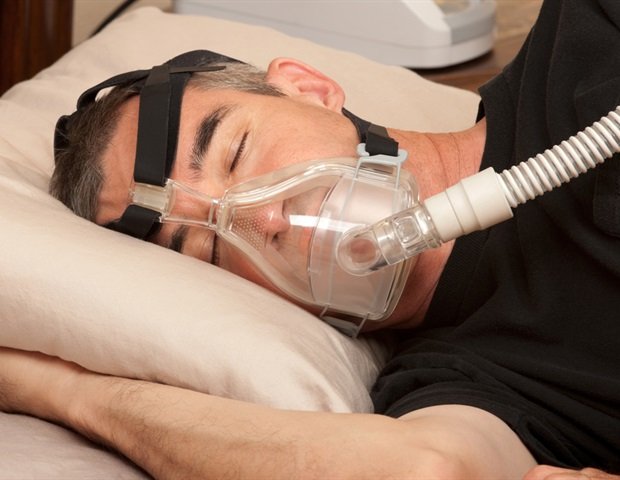
Continuous positive airway pressure therapy (CPAP) is the gold standard treatment for OSA, but many patients cannot tolerate the treatment. AD109 could help fill that gap with easier treatment options, Dr. Strollo said.
“For many other chronic diseases, such as cardiovascular disease, asthma, and type 2 diabetes, it is inconceivable that a large proportion of diagnosed patients remain untreated or undertreated. But that is the reality with OSA,” he said. “Oral drugs that target the neuromuscular factors underlying airway collapse during sleep could help address this gap and expand the range of effective options for currently untreated patients.”
AD109 is a combination of two drugs, alloxybutynin and atomoxetine, which work together to support the throat muscles and prevent the airways from sagging and collapsing during sleep.
In the six-month trial conducted at 69 sites in the United States and Canada, researchers enrolled 646 adults with mild to severe OSA who could not tolerate or refused CPAP.
Patients taking AD109 had an approximately 44 percent reduction in the apnea hypoxia index, which measures the number of breath interruptions per hour, compared to an 18 percent reduction in the placebo group. Oxygen desaturation index (the number of times blood oxygen drops during the night) and hypoxic load (oxygen deficiency) also improved in the AD109 group.
Importantly, improvements were consistently observed across a wide range of patients, including patients of varying severity levels and body types.
In addition to improved outcomes, the drug demonstrated an acceptable safety profile with mild and expected side effects. The most common side effects were dry mouth, nausea, insomnia, and difficulty urinating. Approximately 21% of patients discontinued treatment due to side effects.
Dr. Strollo said the results will be published in the American Journal of Respiratory Cell and Molecular Biology along with a mechanistic review by ATS.
“These peer-reviewed papers link late clinical outcomes with the disease-producing biological mechanisms that AD109’s mode of action targets, providing a more complete and integrated view of OSA and strengthening confidence in this approach,” he said.
AD109 has received Fast Track designation from the FDA for the treatment of OSA, recognizing the significant unmet need for effective and well-tolerated drug therapies for OSA. ApniMed has filed a new drug application (NDA) for AD109 with the FDA. Based on FDA feedback, ApniMed anticipates that the target action date for PDUFA could be Q1 2027, subject to FDA acceptance of the NDA for review.
sauce:
American Thoracic Society
