


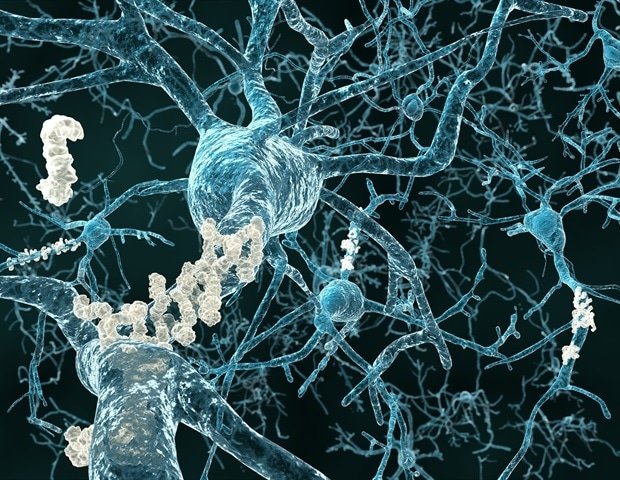
Imagine if Alzheimer’s patients could regain their memory. Such a future may seem like a pipe dream, but a study by researchers at Tohoku University in collaboration with the University of California, Irvine has identified dopamine dysfunction as a previously unrecognized mechanism underlying memory impairment and revealed a potential therapeutic avenue to reverse cognitive decline.
Details of groundbreaking results published in magazine natural neuroscience April 23, 2026.
Memory formation is often associated with experience, whether a particular smell reminds us of a place from our youth or a song on the radio reminds us of a past event. Scientists have long known that the medial temporal lobe is central to memory formation, but have struggled to understand the neural changes that disrupt this process in Alzheimer’s disease.
To investigate this, a research team led by Kei Igarashi, a special professor of medicine at Tohoku University, focused on the entorhinal cortex, a brain region that acts as a gateway to the hippocampus and is essential for memory processing. Based on previous findings that dopamine is important for memory formation in this region, the research team investigated whether dopamine dysfunction contributes to the memory impairments associated with Alzheimer’s disease.
Using a mouse model of Alzheimer’s disease, researchers found that dopamine levels in the entorhinal cortex were dramatically reduced to less than 20% of normal levels. This reduction was accompanied by severe impairments in associative memory observed during odor-based learning tasks. Electrophysiological analysis further revealed that neurons in this region did not respond appropriately to stimuli that should be encoded as memories.
Next, Igarashi and his team turned to the question of whether dopamine could rescue memory function by increasing dopamine levels in the entorhinal cortex using optogenetic techniques. The researchers found that the intervention restored the mice’s ability to form memories, and that administration of levodopa, which is widely used to treat Parkinson’s disease, also normalized neural activity and improved memory performance.
We have shown that dopamine dysfunction plays a central role in memory impairment in Alzheimer’s disease. This discovery was unexpected but opens up new possibilities for therapeutic intervention for millions of Alzheimer’s patients around the world. ”
Kei Igarashi Special Professor, Tohoku University School of Medicine
Current treatments targeting amyloid-beta and tau proteins have shown limited success in restoring cognitive function. The results of this study indicate that dopamine is a critical component of memory circuits and that targeted interventions to restore dopamine signaling may help slow or reverse cognitive decline.
Dopamine-based therapy may serve as a promising new direction for treatment, meaning that recovering lost memories may not be such a pipe dream after all.
