


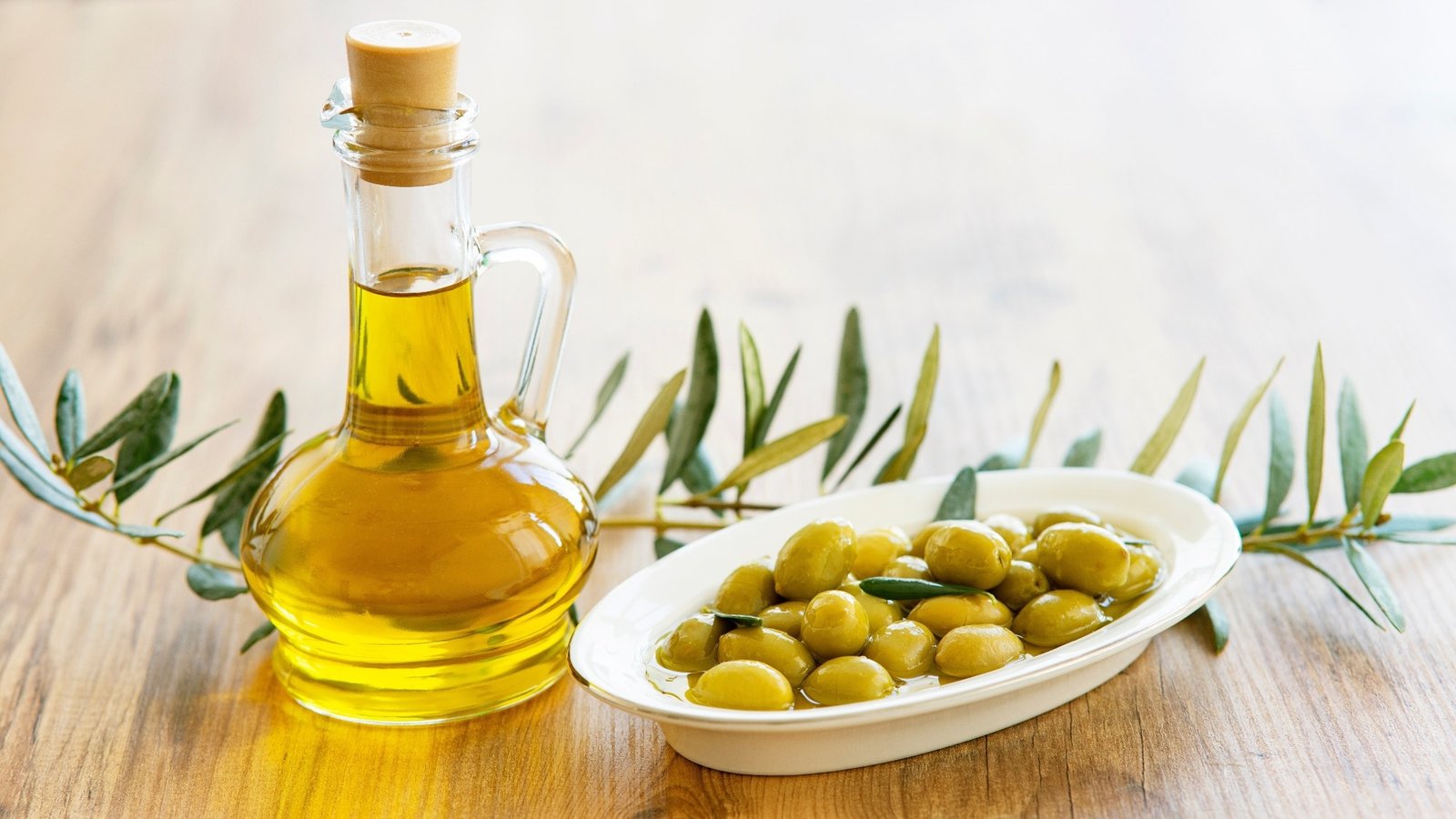
Can a byproduct of olive oil production help protect muscle health? Researchers report that polyphenol-rich olive wastewater extract is associated with modest improvements in body composition, hydration, and antioxidant markers in adults with metabolic risk factors.
 Study: A nutritional supplement derived from polyphenol-rich olive oil by-products maintains muscle health in adults at metabolic risk: a secondary analysis of a pilot study. Image credit: Busra Ispir/Shutterstock.com
recent nutrients In this study, we investigated how short-term supplementation with a polyphenol extract derived from olive mill wastewater (Olifenolia®, OMWW-OL) affects muscle-related parameters and antioxidant biomarkers in adults at metabolic risk.
Metabolic syndrome causes oxidative muscle loss
Muscle health is inversely and independently associated with all-cause and cardiovascular mortality, independent of cardiorespiratory fitness, age, obesity, and smoking status. Improved muscle performance correlates with a lower risk of chronic diseases such as cardiovascular disease, stroke, hypertension, metabolic syndrome, hyperinsulinemia, and type 2 diabetes.
Metabolic syndrome causes muscle dysfunction and sarcopenia through insulin resistance, chronic inflammation, oxidative stress, and ectopic fat deposition, impairing protein synthesis and mitochondrial function. Excess reactive oxygen species (ROS) further accelerate muscle breakdown and impede regeneration.
Muscle function is reduced by malnutrition, lack of exercise, malignancy, or immobilization, all of which increase the risk of mortality. It is important to maintain muscle mass and function. Deficiencies in protein, vitamin D, or antioxidants impede muscle metabolism and regeneration, while low serum albumin may indicate an increased risk of muscle wasting.
Although strength training, nutritional optimization, and hormonal therapy can partially restore muscle function, pharmacological options for sarcopenia remain limited. Early and targeted interventions that address metabolic dysfunction, oxidative stress, and inflammation are essential to maintain muscle integrity and functional capacity in at-risk populations.
Nutraceutical strategies aim to develop food-based products that provide health benefits beyond basic nutrition. OMWW, a sustainable by-product, is rich in polyphenols such as hydroxytyrosol and verbascoside, which have powerful antioxidant and anti-inflammatory properties. These compounds are increasingly being studied for their potential to support muscle and metabolic health.
Preclinical studies have demonstrated that these polyphenols enhance mitochondrial function and reduce inflammation, suggesting potential benefits for muscle, gut, immune, and cardiovascular systems. Although these models reveal promising mechanisms, their findings may not be fully applicable to humans, and their impact on cancer-related sarcopenia remains uncertain.
Evaluating the potential of OMWW-OL to improve muscle health
The current study reanalysed pilot trial data of OMWW-OL (Olifenolia®), an extract rich in polyphenols and hydroxytyrosol, and evaluated its effects on muscle-related parameters and body composition in adults at risk of metabolic syndrome.
The original study was a small, single-arm, longitudinal trial conducted in Sicily in which everyone tried the OMWW-OL and compared its results with their own. People with metabolic health issues can participate, unless they have an ongoing illness, are on certain medications, are on a strict diet, or are already taking polyphenol supplements.
After a 7-day washout period, participants ingested 25 mL of OMWW extract twice daily for 30 days. Hydroxytyrosol is the major polyphenol, with minor amounts of verbascoside, tyrosol, and p-coumaroyl secoiridoide.
Calf, arm, and wrist circumferences were measured as anthropometric proxies related to muscle mass and muscle condition. Muscle mass and body composition were assessed by bioelectrical impedance analysis (BIA), including skeletal muscle mass (SMM), fat mass (FM), muscle mass (MM), skeletal muscle index (SMI), and hydration. Blood samples were also analyzed for biochemical markers.
All relevant measurements were measured at baseline, 30 days after supplement intake, and 30 days after supplement intake to assess both immediate and sustained effects.
Fat mass decreased during olive extract supplementation
A total of 29 adults with at least one metabolic syndrome-related characteristic were enrolled, of whom 23 completed all study visits. The average age was 59 years. At baseline, participants were overweight, with an average body mass index (BMI) of 27.5 kg/m² and a mean weight of 76.6 kg, indicating that muscle mass was preserved despite moderate metabolic risk.
Baseline measurements had a mean FM of 23.3 kg, MM of 24.7 kg, SMM of 24.7 kg, and SMI of 8.8 kg/m2. The relative fat and muscle mass percentages were 30.0% and 32.4%, respectively. Other parameters such as limb circumference, total body water (TBW), hydration status, electrical resistance, ferritin, protein thiols (PSH), antioxidant capacity (TEAC), and liver and kidney markers were within normal or near-normal ranges.
OMWW-OL supplementation significantly reduced FM (4.3 %), fat mass percentage (3.5 %), and fat mass index (4.2 %). Although percent muscle mass increased by only 2%, both skeletal muscle mass and skeletal muscle index showed small increases at follow-up, indicating maintenance or improvement in lean body mass composition. Electrical resistance decreased, which the authors interpreted as consistent with positive changes in body composition and hydration status.
Thirty days after discontinuing OMWW-OL supplementation, calf circumference gradually increased by 3.6%, whereas arm and wrist circumference remained stable or changed minimally, suggesting possible distal changes over time. Total body water and hydration status remained stable or showed slight improvement, with hydration significantly increasing by the end of the study.
Ferritin and protein thiol levels increased over time, with ferritin increasing significantly by 16.2%. Antioxidant capacity showed variable changes, with significant differences between the period after 30 days of OMWW-OL supplementation and the period after 30 days of discontinuation.
Weight and BMI decreased slightly by 0.9%, reflecting a favorable trend in weight loss.
Olive polyphenols show potential for early muscle health
The current study showed that short-term supplementation with OMWW-OL may help maintain muscle mass, reduce fat mass, and improve antioxidant status in adults at risk for metabolic syndrome, but the effects were modest and not consistently statistically significant. The results of this study suggest consistent changes in the direction of body composition, hydration, and antioxidant-related markers, but do not establish improved muscle function or prevention of sarcopenia.
Although these trends are promising, they need to be confirmed in large randomized controlled trials to establish clinical relevance and understand the underlying mechanisms, especially for broader applications. This study was also limited by the lack of a placebo control group, lack of detailed dietary control, and lack of direct assessment of muscle strength or physical performance.
Click here to download your PDF copy.
Reference magazines:
-
Morelli, D. et al. (2026). A nutritional supplement derived from polyphenol-rich olive oil by-products maintains muscle health in adults at metabolic risk: a secondary analysis of a pilot study. nutrients. 18(10), 1551. Doi: https://doi.org/10.3390/nu18101551. https://www.mdpi.com/2072-6643/18/10/1551
