

Close Menu

    Subscribe to Updates

    Get the latest creative news from FooBar about art, design and business.

    What's Hot

    The Hidden Health Crisis: Climate Change, Pollution, and Your Community

    October 19, 2026

    Confronting Gaps in Mental Health Infrastructure and Access

    October 18, 2026

    Navigating the 2025-2030 DGA: Evidence-Based Updates for Cardiometabolic Health

    October 17, 2026
    Facebook X (Twitter) Instagram
    Facebook X (Twitter) Instagram
    Health Magazine
    • Home
    • Environmental Health
    • Health Technology
    • Medical Research
    • Mental Health
    • Nutrition Science
    • Pharma
    • Public Health
    • Discover
      • Daily Health Tips
      • Financial Health & Stability
      • Holistic Health & Wellness
      • Mental Health
      • Nutrition & Dietary Trends
      • Professional & Personal Growth
    • Our Mission
    Health Magazine
    Home » News » Microplastics may be confusing the body’s immune system
    Environmental Health

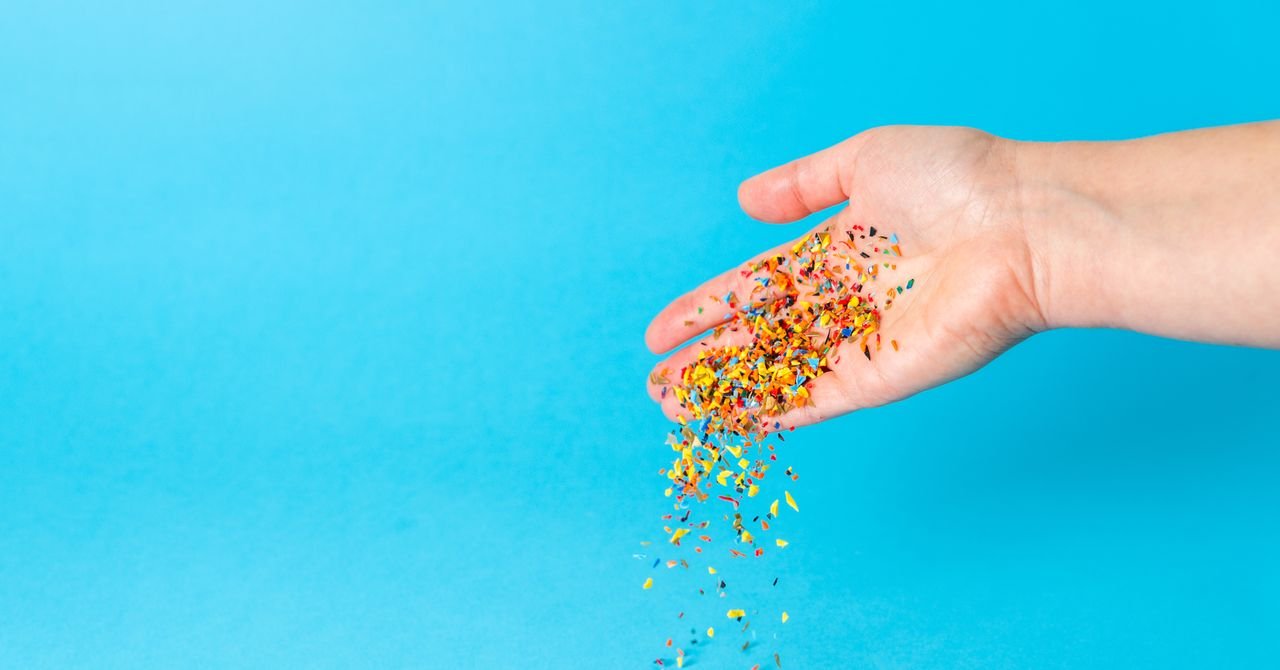
    Microplastics may be confusing the body’s immune system

    healthadminBy healthadminMarch 11, 2026No Comments3 Mins Read
    Microplastics may be confusing the body’s immune system
    Share
    Facebook Twitter Reddit Telegram Pinterest Email


    In recent years, microplastics have been detected in all parts of the human body, including blood, lungs, liver, testes, brain, placenta, and breast milk, raising concerns about the potential health damage caused by plastic pollution.

    A 2019 study by Newcastle University found that humans may be ingesting up to 5 grams of microplastics per week. However, little is known about the detailed mechanisms by which plastic particles that enter the body affect health at the cellular level.

    An international research team led by Memorial Sloan Kettering Cancer Center has identified specific metabolic pathways by which polystyrene microplastics (PS-MPs) interfere with immune cell function.

    When the “cleaner” malfunctions

    The human body has immune cells and macrophages, which play the role of “cleaners” that swallow and dispose of dead cells and pathogens. This process of uptake and digestion of dead cells is called efferocytosis and occurs continuously in the human body to maintain tissue homeostasis. When efferocytosis does not function properly, unprocessed dead cells accumulate in tissues and are known to cause chronic inflammation and autoimmune diseases.

    When it comes to microplastics, macrophages and cleaner cells can engulf them. However, the particles do not have the enzymes to break them down, so they continue to accumulate inside cells.

    In experiments in which mouse and human macrophages absorbed polystyrene microplastics, the researchers found that the ability of both types of macrophages, human and mouse, to engulf and digest dead cells was severely impaired.

    This defect was observed not only in mouse bone marrow-derived macrophages, but also in human pluripotent stem cells, alveolar macrophages, which maintain lung immunity, and Sertoli cell-derived macrophages, which are responsible for processing dead sperm cells in the testes.

    “We found that microplastics accumulate and interfere with the ability of cells to dispose of dead cells in multiple organs, including the lungs, liver, and testes. This may be contributing to the global increase in male infertility,” said Justin Perry of Memorial Sloan Kettering Cancer Center.

    Decreased resistance to infection

    These findings have the potential to be replicated not only in vitro but also in vivo through animal experiments. According to the researchers, when microplastics were injected into the lungs of mice through the trachea, dead epithelial cells were not properly disposed of and remained in the tissue.

    Similarly, after oral administration, plastic particles accumulated in Kupffer cells, macrophages in the liver. A model of acetaminophen-induced liver cell damage also failed to remove dead cells, and blood levels of ALT and AST, indicators of liver dysfunction, increased significantly.

    Particular attention should be paid to the effects on the testicles. In mice exposed orally to microplastics, plastic particles accumulated in Sertoli cells in the testes. Furthermore, in a 20-week chronic exposure experiment, sperm numbers in normally fertile male mice rapidly decreased, as did sperm number and motility.


    Source link

    Visited 24 times, 1 visit(s) today
    Share. Facebook Twitter Pinterest LinkedIn Telegram Reddit Email
    Previous ArticleParticle accelerator helped scientists create stunning 3D ants
    Next Article Latest news from Verily, Meditech, Zoom, and CoverMyMeds
    healthadmin

    Related Posts

    The Hidden Health Crisis: Climate Change, Pollution, and Your Community

    October 19, 2026

    Why Environmental Health and Climate Change Demand Immediate Action

    October 15, 2026

    The Growing Health Crisis from Environmental and Climate Factors

    October 12, 2026

    The Climate-Health Crisis Facing Environmental Experts Today

    September 29, 2026

    The Urgent Climate-Health Crisis Facing Cities Today

    September 27, 2026

    The Climate-Health Crisis in Urban Environments: Who It’s For and What You’ll Gain

    September 25, 2026
    Add A Comment

    Comments are closed.

    Categories

    • Daily Health Tips
    • Discover
    • Environmental Health
    • Exercise & Fitness
    • Featured
    • Featured Videos
    • Financial Health & Stability
    • Fitness
    • Fitness Updates
    • Health
    • Health Technology
    • Healthy Aging
    • Healthy Living
    • Holistic Healing
    • Holistic Health & Wellness
    • Medical Research
    • Medical Research & Insights
    • Mental Health
    • Mental Wellness
    • Natural Remedies
    • New Workouts
    • Nutrition
    • Nutrition & Dietary Trends
    • Nutrition & Superfoods
    • Nutrition Science
    • Pharma
    • Preventive Healthcare
    • Professional & Personal Growth
    • Public Health
    • Public Health & Awareness
    • Selected
    • Sleep & Recovery
    • Top Programs
    • Weight Management
    • Workouts
    Popular Posts
    • 1773313737_bacteria_-_Sebastian_Kaulitzki_46826fb7971649bfaca04a9b4cef3309-620x480.jpgHow Sino Biological ProPure™ redefines ultra-low… March 12, 2026
    • pexels-david-bartus-442116The food industry needs to act now to cut greenhouse… January 2, 2022
    • 1773729862_TagImage-3347-458389964760995353448-620x480.jpgDespite safety concerns, parents underestimate the… March 17, 2026
    • 1774403998_image_28620e4b6b0047f7ab9154b41d739db1-620x480.jpgGait pattern helps distinguish between Lewy body… March 24, 2026
    • 1773209206_futuristic_techno_design_on_background_of_supercomputer_data_center_-_Image_-_Timofeev_Vladimir_M1_4.jpegMulti-agent AI systems outperform single models… March 11, 2026
    • Leukemia-620x480.jpgBiomimetic platform powers CAR T therapy for… March 9, 2026

    Demo
    Stay In Touch
    • Facebook
    • Twitter
    • Pinterest
    • Instagram
    • YouTube
    • Vimeo
    Don't Miss

    The Hidden Health Crisis: Climate Change, Pollution, and Your Community

    By healthadminOctober 19, 2026

    Exploring the urgent links between climate change, air pollution, urban planning, and public health with insights from 2025 reports.

    Confronting Gaps in Mental Health Infrastructure and Access

    October 18, 2026

    Navigating the 2025-2030 DGA: Evidence-Based Updates for Cardiometabolic Health

    October 17, 2026

    Navigating the Rapid Evolution of Medical Research: What Clinicians Need to Know

    October 16, 2026

    Subscribe to Updates

    Get the latest creative news from SmartMag about art & design.

    HealthxMagazine
    HealthxMagazine

    At HealthX Magazine, we are dedicated to empowering entrepreneurs, doctors, chiropractors, healthcare professionals, personal trainers, executives, thought leaders, and anyone striving for optimal health.

    Our Picks

    Navigating the Rapid Evolution of Medical Research: What Clinicians Need to Know

    October 16, 2026

    Why Environmental Health and Climate Change Demand Immediate Action

    October 15, 2026

    The Urgent Challenges Facing Population Health Today

    October 14, 2026
    New Comments
      Facebook X (Twitter) Instagram Pinterest
      • Home
      • Privacy Policy
      • Our Mission
      © 2026 ThemeSphere. Designed by ThemeSphere.

      Type above and press Enter to search. Press Esc to cancel.