


Health tech founders, medical device engineers, and healthcare IT professionals face unprecedented pressure. The pace of health tech innovations 2026 creates innovation overload, with breakthroughs in telemedicine trends 2026, wearable technology healthcare, and AI diagnostics innovations flooding the pipeline. Integrating these into legacy systems adds complexity, risking delays in deployment and missed market opportunities.
The digital health market 2026 is surging. Telehealth expansion and AI in healthcare 2026 are key drivers, addressing aging populations and staffing shortages. Global Market Insights highlights rapid telehealth growth and AI’s role in clinical decision-making, projecting massive scalability for remote patient monitoring solutions.
Consider telemedicine 2.0: virtual reality enables 3D consultations, while wearables provide real-time vitals like heart rate and glucose levels. Jobaaj outlines how these enable continuous care, reducing hospital readmissions. Wearable health devices, integrated with IoT and edge AI, support precision medicine AI, as detailed in HBR’s analysis.
AI diagnostics innovations analyze images and patient data for early detection of cancer and heart disease. World Health Expo identifies AI-assisted diagnosis as a top trend, matching human performance in radiology.
This series equips you with actionable strategies: design interoperable wearables, optimize AI workflows, and scale telemedicine platforms. Seize health tech innovations 2026 to build competitive edges, drive scalable solutions, and shape the digital health future.
Telemedicine and Wearable Tech Innovations Transforming Patient Care
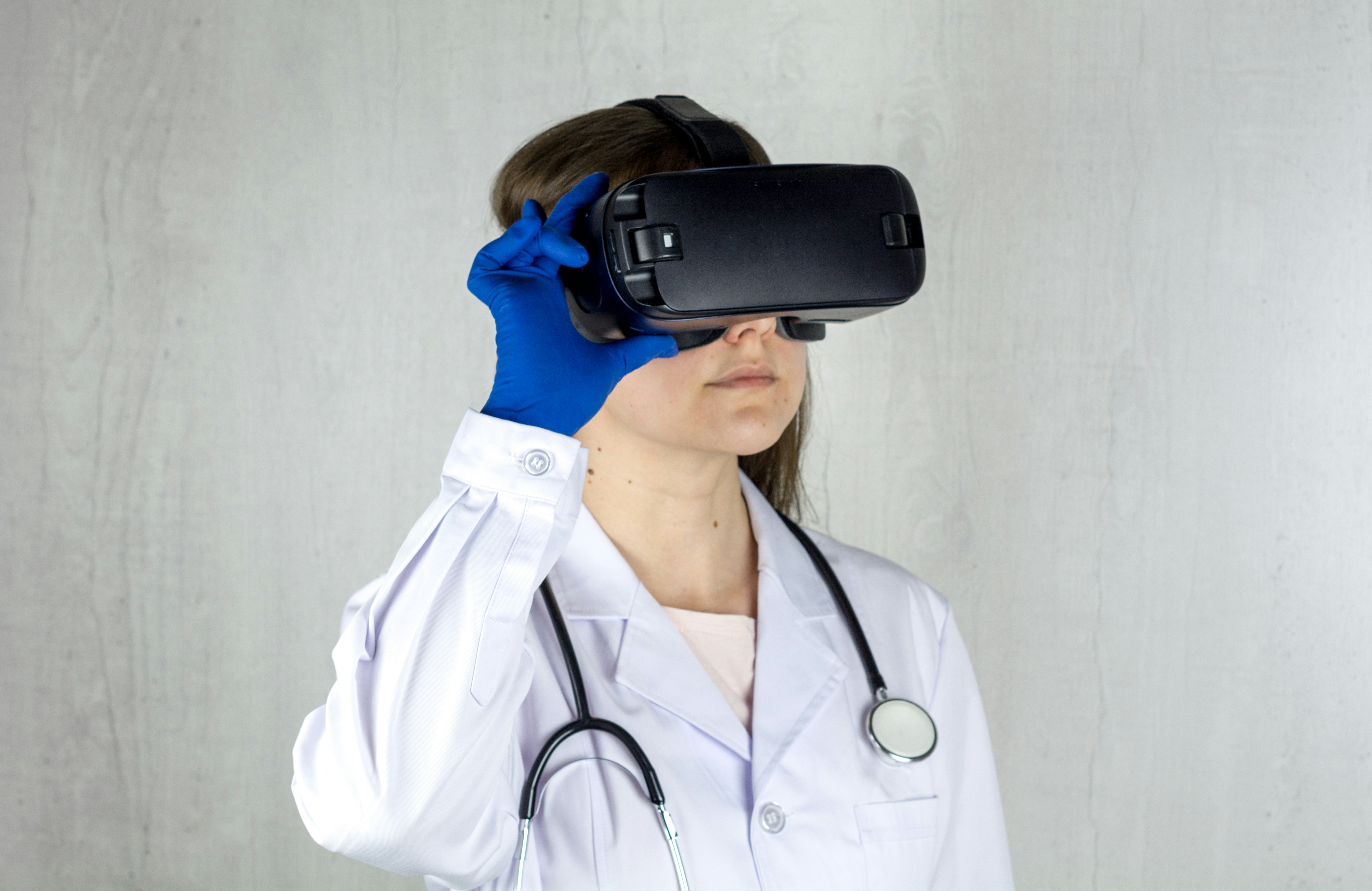
Telemedicine trends 2026 mark the rise of Telemedicine 2.0, where virtual reality (VR) creates immersive 3D consultation spaces. Physicians conduct hands-on guidance remotely, elevating virtual care beyond standard video. Paired with IoT wearables, this delivers seamless, continuous monitoring. Jobaaj details how VR and AI virtual assistants analyze symptoms for personalized recommendations, reducing unnecessary visits.
Wearable technology healthcare has advanced dramatically. Devices now track heart rate, blood pressure, glucose levels, and more in real-time, alerting providers to anomalies. For diabetes management, continuous glucose monitors free patients from finger pricks. Smartwatches detect arrhythmias, monitor sleep, and assess stress, enabling proactive interventions.
Medical device engineers designing next-gen wearable health devices must integrate edge AI and biosensors. HBR showcases multi-parameter wearables measuring respiration rate, ECG, SpO2, and BP continuously. At AZ Maria Middelares, these reduced manual checks, allowing early atrial fibrillation detection post-heart surgery and medication adjustments.
Remote patient monitoring ecosystems combine wearables with data platforms for chronic disease management. World Health Expo highlights virtual wards providing hospital-level care at home, crucial for cardiovascular patients—the leading global cause of death.
Global Market Insights forecasts explosive growth in these health tech innovations 2026, driven by interoperability and cloud integration. Benefits include fewer readmissions, optimized workflows, and personalized care paths.
Engineers: Prioritize FDA-compliant cybersecurity, long battery life, and EHR interoperability. These health tech innovations 2026 shift care from reactive hospital stays to proactive, data-driven models, empowering scalable digital health solutions.
AI Diagnostics: Precision Medicine and Future Strategies for IT Pros
AI diagnostics innovations lead health tech innovations 2026, enabling precision medicine AI through machine learning analysis of medical images, genetic data, and patient histories. Early detection of cancer, heart disease, and neurological disorders becomes routine, with algorithms predicting risks from wearable data and lifestyles. Jobaaj highlights customized treatments based on individual genetics, shifting from one-size-fits-all care.
World Health Expo notes AI matches human performance in radiology, automating urgent case flagging to reduce diagnostic delays. In clinical workflows, AI integrates with EHRs for seamless precision medicine AI, enhancing decision-making amid staffing shortages.
Healthcare IT pros face integration challenges. Common pitfalls: biased models from poor data diversity, interoperability gaps with legacy systems, and cybersecurity vulnerabilities like ransomware targeting health data.
Implementation tips:
- Adopt FHIR standards for EHR and remote patient monitoring interoperability.
- Deploy edge AI on wearable health devices for real-time processing.
- Use explainable AI to foster clinician trust and regulatory compliance.
Validate pilots against outcomes, ensuring FDA-cleared tools. Global Market Insights stresses data standardization to unlock digital health future potential.
Next steps: Conduct readiness assessments per Guidehouse surveys. Invest in secure cloud platforms. These health tech innovations 2026 empower IT leaders to scale AI diagnostics innovations, driving efficient, personalized care in the digital health market 2026.
Sources
- https://www.visionaryvogues.com/healthcare-2026-telemedicine-wearables-diagnostics
- https://www.jobaaj.com/blog/latest-breakthroughs-in-medical-technology-in-2026
- https://www.worldhealthexpo.com/insights/medical-technology/five-health-tech-trends-to-watch-in-2026
- https://www.gminsights.com/blogs/digital-health-market-trends-opportunities-challenges
- https://hbr.org/sponsored/2026/04/how-integrated-wearable-technologies-are-shaping-the-next-era-of-health-care-innovation
- https://www.minew.com/wearable-technology-trends/
- https://www.sermo.com/resources/wearable-devices-for-healthcare/
- https://indatalabs.com/blog/ai-digital-health-trends
- https://blog.sekisuidiagnostics.com/dxdialogue/top-5-trends-clinical-diagnostics-2026
- https://guidehouse.com/insights/healthcare/2026/2026-healthcare-ai-trends
