

Close Menu

    Subscribe to Updates

    Get the latest creative news from FooBar about art, design and business.

    What's Hot

    These tiny soil microbes could save crops from salty farmland

    June 29, 2026

    Melatonin reduces inflammation of fetal membranes associated with preterm birth

    June 29, 2026

    People who frequently experience feelings of inner emptiness may actually have higher levels of empathy

    June 29, 2026
    Facebook X (Twitter) Instagram
    Facebook X (Twitter) Instagram
    Health Magazine
    • Home
    • Environmental Health
    • Health Technology
    • Medical Research
    • Mental Health
    • Nutrition Science
    • Pharma
    • Public Health
    • Discover
      • Daily Health Tips
      • Financial Health & Stability
      • Holistic Health & Wellness
      • Mental Health
      • Nutrition & Dietary Trends
      • Professional & Personal Growth
    • Our Mission
    Health Magazine
    Home » News » Marine species are becoming extinct before scientists can discover them.
    Nutrition Science

    Marine species are becoming extinct before scientists can discover them.

    healthadminBy healthadminMarch 27, 2026No Comments3 Mins Read
    Marine species are becoming extinct before scientists can discover them.
    Share
    Facebook Twitter Reddit Telegram Pinterest Email


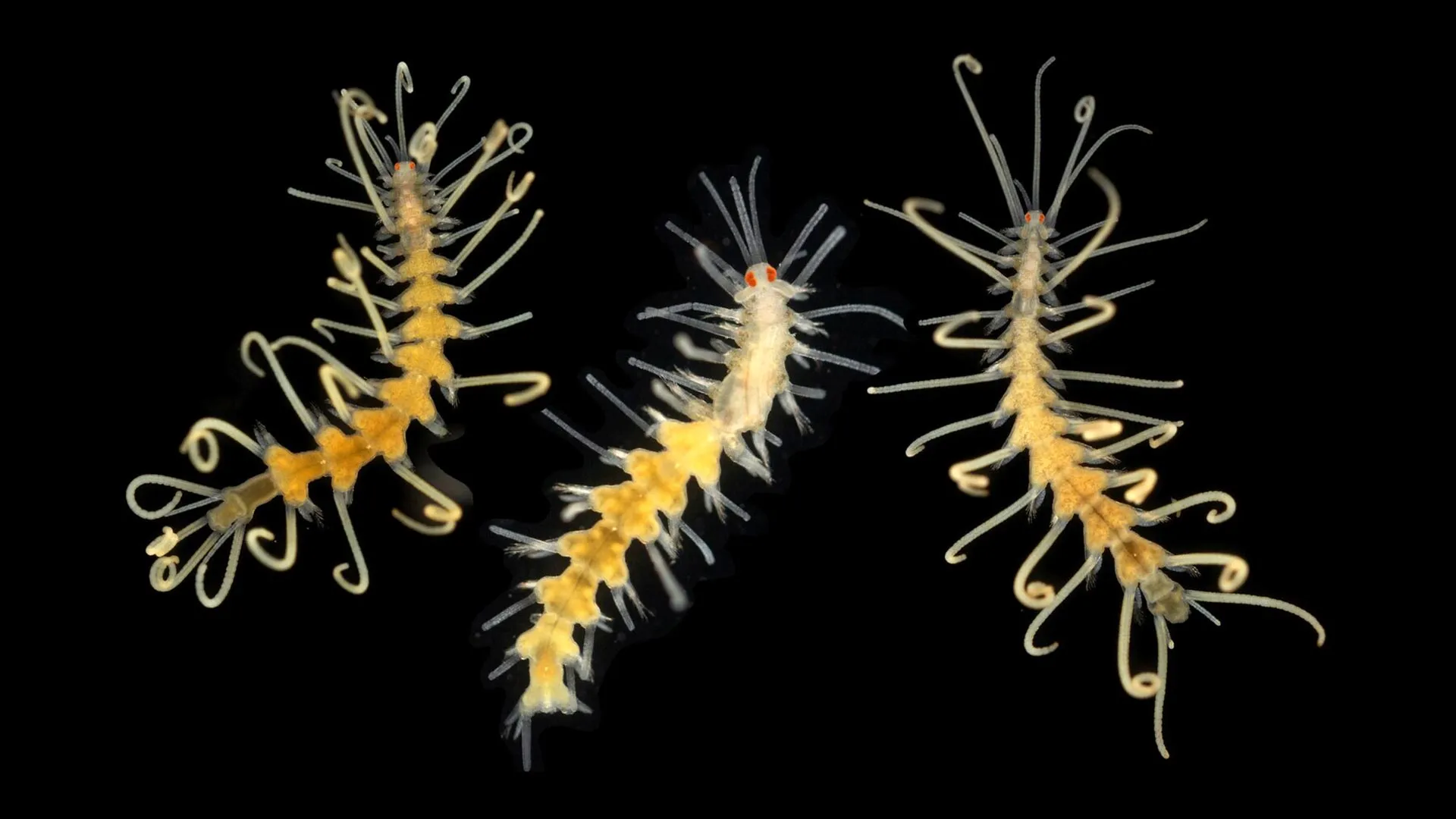
    Species around the world are becoming extinct at an accelerating rate due to climate change, habitat destruction, and the impact of invasive species. Many little-known groups, including marine worms, are particularly at risk, and some are facing extinction before scientists can identify them.

    To address this gap, researchers from the University of Göttingen, the Leibniz Institute for the Analysis of Biodiversity and Change (LIB), and the Senckenberg Society for Nature Research are launching a major effort to document Europe’s “marine annelids” (segmented sea worms) and make the data openly available. The initiative aims to accelerate the discovery of new species and deepen global understanding of biodiversity by building comprehensive and accessible datasets. The project “EuroWorm: Accelerating global marine annelid biodiversity research with open genome data of European species” is led by LIB and funded by the Leibniz Society.

    Mapping hidden ocean biodiversity with genomics

    Marine annelids are found in nearly all marine environments, mixing sediment, recycling nutrients, informing pollution levels, and supporting marine food webs. The research team plans to collect samples from locations in Europe where many of the species were first described.

    The collected specimens will be identified by morphology, structure, and shape, photographed at high resolution, and analyzed using advanced genomic tools and other cutting-edge technologies. The goal is to collect a detailed genome catalog of European marine annelids, reveal how different groups are related on the evolutionary tree, and investigate how their physical characteristics, reproduction, and lifestyle have evolved over time.

    Accelerating global species discovery with open data

    The collected nematodes, together with their images and genetic data, will be added to the LIB collections of the Natural History Museum Hamburg and the Natural History Museum Senckenberg. Scientists around the world, especially in the Global South, will be able to access these resources and request specimens for further research through institutional portals and platforms such as GBIF.

    “By comparing European species data, we hope to accelerate the discovery of new species and biodiversity research around the world, and counter the ‘silent extinction’ of marine species,” explains LIB project leader Dr. Jenna Moore. The initiative also aims to strengthen the role of natural history museums as modern research centers equipped with cutting-edge tools.

    Museum collections and DNA reveal hidden species

    Three researchers from the Animal Evolution and Biodiversity Research Group at the University of Göttingen are contributing to the project. Dr. María Teresa Aguado Molina said: “Such collections are scientific time capsules. Historical collections, combined with modern genomics, are unlocking hidden biodiversity at an unprecedented pace. The Euroworm shows that the most advanced discoveries begin with specimens collected decades ago.”

    Professor Christoph Breidorn emphasized that Göttingen’s long-standing focus on the evolution of annelids means that “we are all the more pleased to be able to pursue these questions further as part of a project funded by the Leibniz Society.”

    Collaboration to define future research

    EuroWorm brings together expertise from multiple institutions to create a strong foundation for large-scale biodiversity research. Dr. Konrad Helm said: “A comprehensive, interdisciplinary approach provides an excellent basis for thoroughly documenting marine annelid diversity and at the same time concretely defining future research priorities.”


    Source link

    Visited 6 times, 1 visit(s) today
    Share. Facebook Twitter Pinterest LinkedIn Telegram Reddit Email
    Previous ArticleFirst head-to-head comparison of MDMA and MDA reveals distinct psychedelic differences
    Next Article TENS therapy reduces pain and fatigue during exercise in fibromyalgia patients
    healthadmin

    Related Posts

    These tiny soil microbes could save crops from salty farmland

    June 29, 2026

    Only one exercise helped older adults lose fat without losing muscle

    June 28, 2026

    Common pesticides more than double risk of Parkinson’s disease

    June 28, 2026

    James Webb discovers exotic salt clouds in a mysterious pink world

    June 28, 2026

    Hawaii turns ocean plastic and fishing nets into roads

    June 28, 2026

    Yellowstone’s supervolcano may be fueled by something unexpected

    June 28, 2026
    Add A Comment

    Comments are closed.

    Categories

    • Daily Health Tips
    • Discover
    • Environmental Health
    • Exercise & Fitness
    • Featured
    • Featured Videos
    • Financial Health & Stability
    • Fitness
    • Fitness Updates
    • Health
    • Health Technology
    • Healthy Aging
    • Healthy Living
    • Holistic Healing
    • Holistic Health & Wellness
    • Medical Research
    • Medical Research & Insights
    • Mental Health
    • Mental Wellness
    • Natural Remedies
    • New Workouts
    • Nutrition
    • Nutrition & Dietary Trends
    • Nutrition & Superfoods
    • Nutrition Science
    • Pharma
    • Preventive Healthcare
    • Professional & Personal Growth
    • Public Health
    • Public Health & Awareness
    • Selected
    • Sleep & Recovery
    • Top Programs
    • Weight Management
    • Workouts
    Popular Posts
    • 1773313737_bacteria_-_Sebastian_Kaulitzki_46826fb7971649bfaca04a9b4cef3309-620x480.jpgHow Sino Biological ProPure™ redefines ultra-low… March 12, 2026
    • pexels-david-bartus-442116The food industry needs to act now to cut greenhouse… January 2, 2022
    • 1773729862_TagImage-3347-458389964760995353448-620x480.jpgDespite safety concerns, parents underestimate the… March 17, 2026
    • 1773209206_futuristic_techno_design_on_background_of_supercomputer_data_center_-_Image_-_Timofeev_Vladimir_M1_4.jpegMulti-agent AI systems outperform single models… March 11, 2026
    • 1774403998_image_28620e4b6b0047f7ab9154b41d739db1-620x480.jpgGait pattern helps distinguish between Lewy body… March 24, 2026
    • Leukemia-620x480.jpgBiomimetic platform powers CAR T therapy for… March 9, 2026

    Demo
    Stay In Touch
    • Facebook
    • Twitter
    • Pinterest
    • Instagram
    • YouTube
    • Vimeo
    Don't Miss

    These tiny soil microbes could save crops from salty farmland

    By healthadminJune 29, 2026

    Researchers have discovered an unexpected natural ally that could help farmers tackle one of agriculture’s…

    Melatonin reduces inflammation of fetal membranes associated with preterm birth

    June 29, 2026

    People who frequently experience feelings of inner emptiness may actually have higher levels of empathy

    June 29, 2026

    Magnetic muscle implant helps amputees feel coordinated movement of prosthetic hand

    June 28, 2026

    Subscribe to Updates

    Get the latest creative news from SmartMag about art & design.

    HealthxMagazine
    HealthxMagazine

    At HealthX Magazine, we are dedicated to empowering entrepreneurs, doctors, chiropractors, healthcare professionals, personal trainers, executives, thought leaders, and anyone striving for optimal health.

    Our Picks

    Magnetic muscle implant helps amputees feel coordinated movement of prosthetic hand

    June 28, 2026

    Only one exercise helped older adults lose fat without losing muscle

    June 28, 2026

    Can nighttime brain bursts predict performance on intelligence tests?

    June 28, 2026
    New Comments
      Facebook X (Twitter) Instagram Pinterest
      • Home
      • Privacy Policy
      • Our Mission
      © 2026 ThemeSphere. Designed by ThemeSphere.

      Type above and press Enter to search. Press Esc to cancel.