


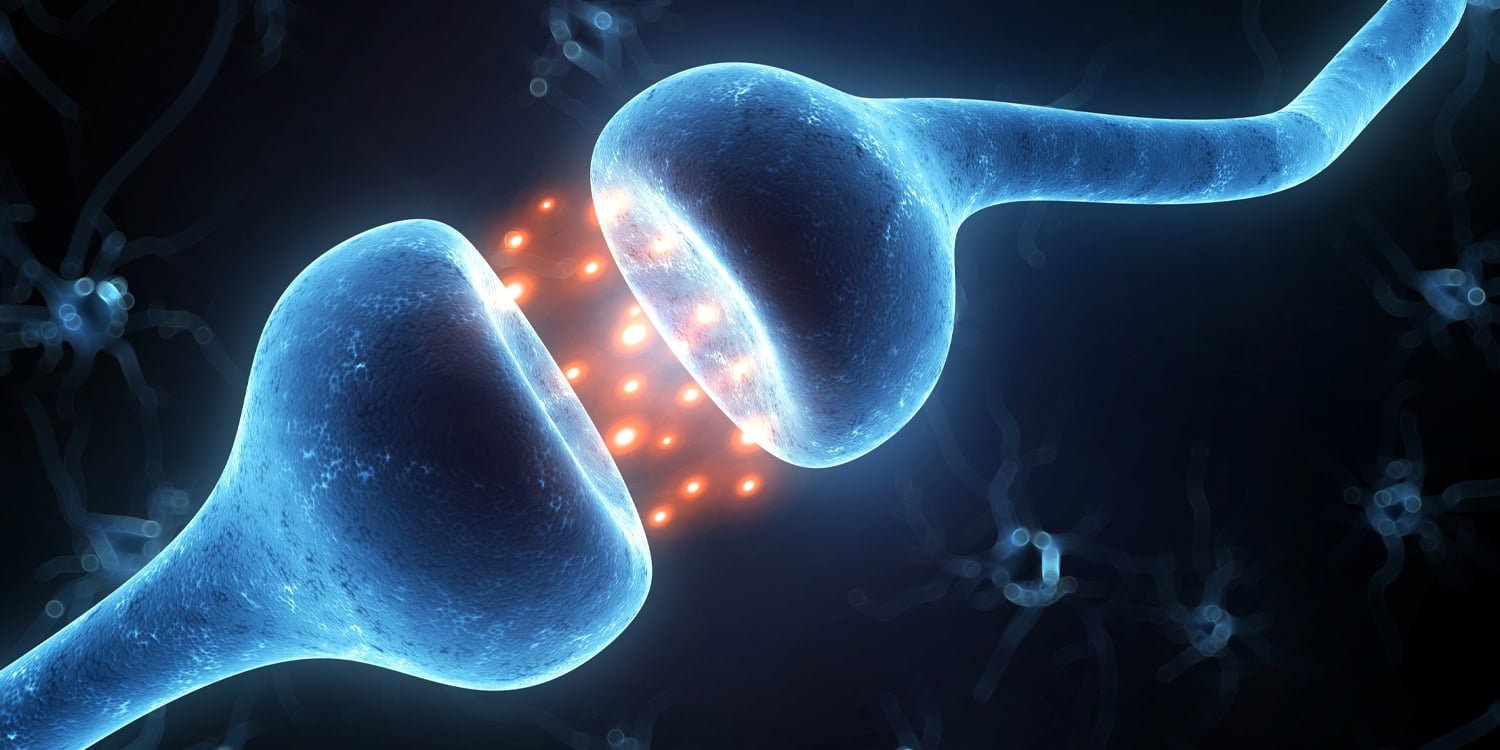
Recent research published in e-biomedicine Evidence has been provided that people suffering from long-term coronavirus infections show measurable reductions in dopamine-releasing neurons in the brain. These physical changes in the brain tend to be accompanied by common and lasting symptoms such as apathy, memory loss, and slowed body movements. The findings suggest that treatments aimed at enhancing dopamine function may offer a new therapeutic direction for people experiencing the long-term neuropsychiatric effects of COVID-19.
Prolonged COVID-19 is a condition in which physical and psychological symptoms continue long after the initial infection with the COVID-19 virus subsides. Many people report persistent brain-related symptoms, including a severe lack of motivation, difficulty feeling pleasure, poor memory, and general cognitive decline. The biological mechanisms responsible for these persistent problems remain poorly understood by the medical community.
Past medical research has primarily focused on how immune system overreaction and persistent brain inflammation cause these symptoms. Jeffrey Meyer, Canada Research Chair, Senior Research Scientist and Professor of Psychiatry at the University of Toronto, authored the new study. His previous research focused extensively on similar inflammatory processes.
“We had leading international expertise in measuring brain inflammation in psychiatric disorders,” Meyer said. “When COVID-19 arrived, I decided to use the same imaging tools to study long-term COVID-19.”
In his early research, Meyer found distinct patterns linking inflammation to specific brain networks. He noted that the areas of most intense inflammation overlap with the brain’s dopamine pathways.
“When we found evidence of brain inflammation in long-term COVID-19 infections, we realized that the greatest increases in inflammatory markers were in areas with nerve endings that release dopamine,” Meyer said.
These brain regions also control basic physical movements. Dopamine is a chemical messenger in the brain that regulates motivation, learning, and physical movement, and its neurons are highly concentrated in a deep brain structure called the striatum.
“Inflammatory markers also correlated with measurements of motor speed, which can be affected by damage to dopamine-releasing nerves, so we speculated that damage to dopamine-releasing nerves may be responsible for the symptoms of reduced motor speed and related to inflammation in the same region,” Meyer said. “Inflammation can damage dopamine-releasing nerves.”
Scientists had an additional reason to examine the dopamine system in relation to COVID-19. Certain cells that produce dopamine contain high levels of a receptor protein that the coronavirus uses to enter and infect human cells.
“Also, important binding sites for the virus to enter cells are highly concentrated on nerves that release dopamine, which is another reason to see if nerve endings are being lost,” Meyer added.
To measure the health of dopamine neurons, the researchers focused on a protein called vesicular monoamine transporter 2. Microscopically, this protein functions like a pump, packaging dopamine into tiny cell sacs so that it can be released to communicate with neighboring cells. Because this protein is present almost exclusively within dopamine-releasing neurons in the striatum, measuring its presence can provide a very accurate estimate of how many intact dopamine nerve endings are present.
Researchers conducted a case-control study of 24 adults diagnosed with long-term coronavirus infection and 24 age-matched healthy adults. We then expanded the healthy control group to 43 participants for additional exploratory comparisons. Participants in the long-term COVID-19 group experienced only mild to moderate symptoms during their initial infection. However, they all developed significant neuropsychiatric symptoms within 3 months of their acute illness, and these symptoms persisted for at least 3 months.
Scientists set strict exclusion criteria for all participants to ensure accuracy of measurements. People with a history of neurological disease before contracting COVID-19 were excluded from the study. The team also excluded individuals with a history of moderate or severe substance abuse or who had smoked cigarettes or used drugs recreationally within the past two months.
Participants underwent brain imaging using positron emission tomography. This is a medical imaging technique that uses safe, low-radioactivity tracers to visualize and measure specific cellular processes within the body. In this study, the scientists used a specific tracer designed to bind directly to the vesicular monoamine transporter 2 protein.
In addition to brain scans, participants completed a series of psychological and physical assessments. Motivation level was measured using the Marin Apathy Rating Scale. Fine motor speed was measured using a finger tapping test that requires participants to tap a mechanical counter as quickly as possible. Memory retention and cognitive function were assessed using the revised Hopkins Verbal Learning Test and the Cognitive Impairment Questionnaire.
Brain imaging revealed that 24 patients with long-term coronavirus infections had significantly lower levels of dopamine transport proteins compared to healthy controls. Specifically, the long-term coronavirus group showed an overall decrease in protein binding across three major regions of the striatum.
“The magnitude of the loss is on average about 18% of dopaminergic nerve endings,” Meyer told SciPost. “In other diseases, this degree of loss is associated with symptoms: loss in one area is associated with problems with motivational energy, loss in another area is associated with bradykinesia, and loss in a third area is associated with memory impairment.”
Reduced protein levels in specific brain regions directly correlated with the severity of participants’ symptoms. In the ventral striatum, which helps motivate processes, lower dopamine cell density was associated with higher apathy scores and increased reports of daily cognitive impairment. In the dorsal putamen, a region deeply involved in locomotion, lower cell density correlated with slower performance on physical finger tapping tests. In the dorsal caudate nucleus, which supports learning, decreased cell density was associated with lower scores on delayed memory recall tests.
“The correlation between the loss of dopaminergic markers and symptoms was stronger than expected and associated with a broader range of symptoms than expected,” Professor Meyer said.
The scientists also tested blood samples from the participants to see if peripheral biomarkers of dopamine metabolism or general nerve damage matched the results of the brain scans. They found no significant correlation between blood markers and imaging data in the long-term coronavirus group. This indicates that simple blood tests may not accurately reflect specific dopamine cell damage occurring deep within the central nervous system.
Observational studies like this cannot conclusively prove a causal relationship. The data shows a link between reduced dopamine cell density and long-term symptoms of COVID-19, but does not confirm that the virus directly kills cells. Other biological responses caused by the virus may contribute to both brain changes and neuropsychiatric symptoms.
Another limitation is related to what positron emission tomography scans physically measure. Imaging tracks the density of transporter proteins, not the physical brain cells themselves. Theoretically, it is possible that neurons remain structurally intact but simply stop producing normal levels of transporter proteins.
The study utilized a relatively small sample of 24 patients with long-term COVID-19 infection, all of whom suffered from a specific set of severe psychological and cognitive symptoms. As a result, these findings may not apply to people whose long-term COVID-19 infection is primarily associated with respiratory or cardiovascular problems. Future studies should replicate these brain scans in a larger and more diverse group of patients to confirm the generalizability of the findings.
An important consideration is that these findings represent a specific point in time and the long-term course of the patient remains unknown. The nervous system has the ability to heal, and the duration of symptoms varies from person to person.
“This doesn’t mean the nerve endings can’t regenerate without treatment, nor does it mean it’s permanent for everyone,” Meyer says. “However, some people may require additional treatment.”
The authors suggest that these findings point to potential new treatments for the long-term coronavirus. Because the data suggest a localized loss of dopamine function, clinical trials may investigate whether existing dopamine-enhancing drugs can reduce symptoms.
“People with long-term COVID-19 infections, with symptoms such as decreased motivation, slower speed at which it takes them to complete activities, and trouble remembering words, likely have lost the nerves that release a chemical called dopamine,” Meyer said. “Some people recover by growing new nerve endings, but for others, there is an opportunity for the nerves to release more dopamine or for treatments to regrow the nerve endings.”
Drugs that inhibit dopamine breakdown or provide dopamine precursors may help restore motivation and cognitive speed in affected patients. The research team is currently working to test this hypothesis in a clinical setting.
“We are moving closer to approval for clinical studies to repurpose long-term COVID-19 treatments,” Meyer said. “This drug helps the nerves release more dopamine and reduce some types of brain inflammation. We hope it will help with memory problems and low motivational energy.”
The study, “Loss of vesicular monoamine transporter 2 in the striatum and its association with neuropsychiatric symptoms in prolonged COVID-19,” was authored by Yuhan Karida Liu, Devina Persaud, Erica L. Vieira, Joeffre Braga, Pablo Rusjan, Laura Miler, Jennifer S. Rabin, Tina McCluskey, Isabelle Boileau, Thomas Chao, Michael Bagby, and Lucas Narciso. Lauren Rose Gray, Neil Vasudev, Kimberly Desmond, Stefan Kleiber, Jerry Warsh, Muhammad Ishrat Hussain, Kelly Smart, Wei Wang, Jeffrey H. Meyer.
