


As tropical cities warm, this review reveals why parks, shade, heat advisories and smarter public messaging need to work in tandem to protect the benefits of outdoor recreation without exposing vulnerable communities to dangerously humid heat.
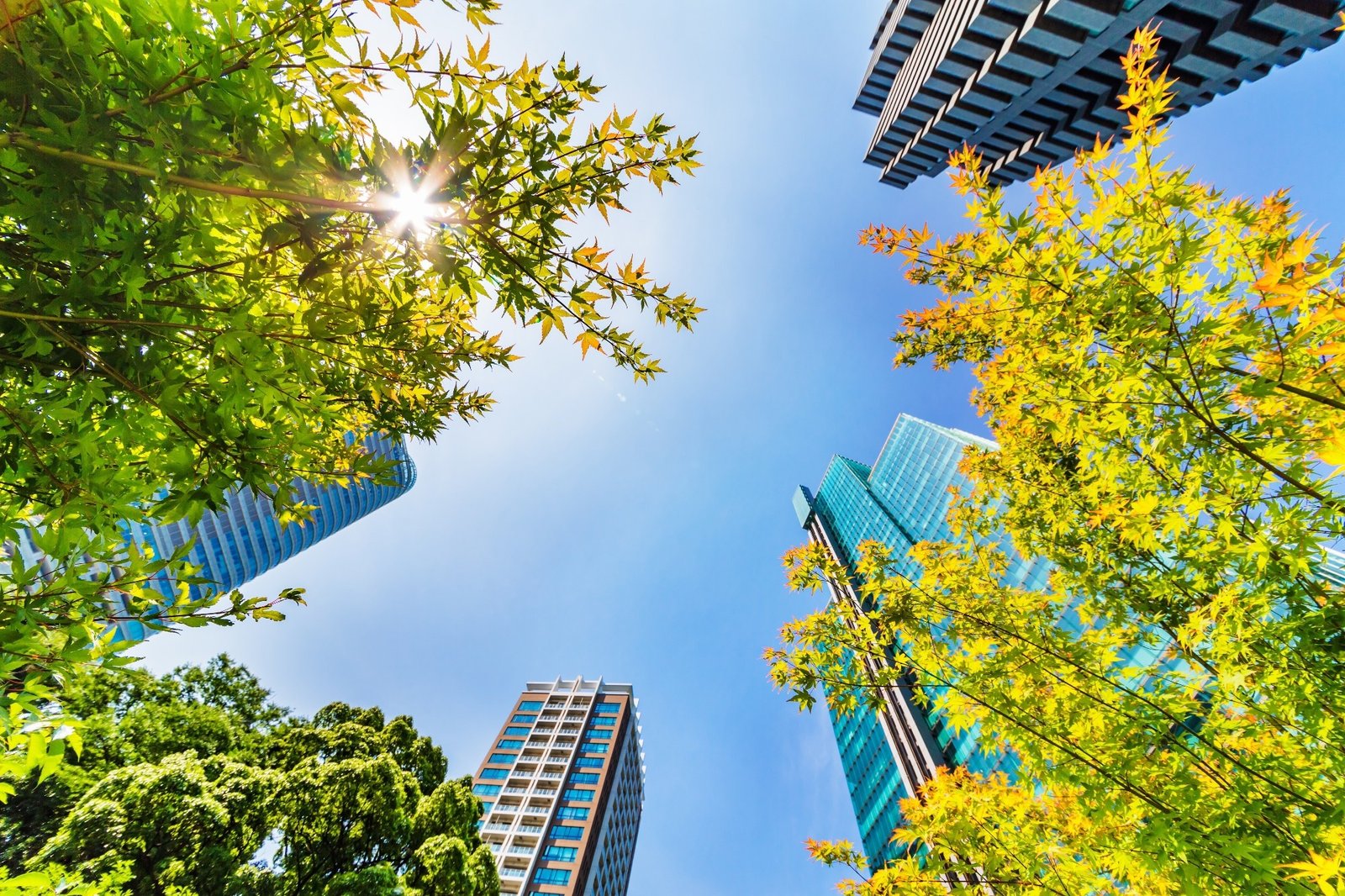
Review: The future of nature-based recreation in warming tropical cities. Image credit: taka1022 / Shutterstock
Recent review articles published in magazines npj urban sustainability We reviewed the evidence on outdoor recreation and humid heat stress in tropical cities.
Cities around the world are turning to urban greening to harness the benefits of nature. Nature-based recreation in cities can promote physical and mental health, increase community resilience and strengthen social cohesion. However, outdoor recreation in tropical cities often means exposure to hot, humid environments that are thermally uncomfortable and, in extreme cases, even dangerous for humans.
Public health recommendations can be perceived as contradictory, as they encourage outdoor recreation while also warning against heat exposure. Therefore, determining appropriate outdoor exposure levels in high temperature environments is important to distinguish between harmful heat stress and safe exposure. In this review, researchers summarize the evidence on outdoor recreation and humid heat stress in tropical cities and outline adaptation strategies.
Rising urban heat in the tropics
Rising greenhouse gas emissions are increasing the intensity and frequency of extreme temperatures around the world, and urban warming is amplifying this trend. Increased heat from air conditioning use and transportation, building materials that retain more heat, sealed surfaces that reduce evapotranspiration and infiltration, and changes in surface topography all contribute to urban warming.
The high temperatures and humidity of tropical cities can have negative health effects. Although the contribution of humidity to heat-related health outcomes is controversial, there is consensus that increased heat stress can worsen people’s health. Many tropical cities are predicted to undergo rapid urbanization in the coming decades, and climate change is expected to exacerbate heat damage in hot, humid regions.
Tropical city dwellers face health risks from heat
Increased heat stress means that tropical city dwellers are often exposed to adverse weather conditions. Although the limits of physiological tolerance to extreme humidity and heat are unknown, it is known that higher humidity and temperature are associated with increased health risks. For example, in urban centers in Thailand, high humidity and heat were correlated with clinic attendance and mortality rates.
Furthermore, heat-related health vulnerabilities vary widely within and between populations, with pregnant women, infants, older populations and marginalized communities facing increased risk. Vulnerable populations in urban areas with limited access to infrastructure and poorly ventilated housing are at much higher risk of heat exposure. Poor air quality, combined with high humidity and high temperatures, can increase the risk of death in urban areas.
Evidence regarding outdoor recreational behavior is limited
The authors found very limited evidence of how moist heat affects nature-based recreational behavior in tropical cities. The systematic review screened 5,245 studies, but only five met the inclusion criteria.
Most of the available evidence is concentrated in Southeast Asia, including Indonesia, Malaysia, Singapore, and one study in Brazil. Taken together, these studies suggest that heat can influence the location, timing, duration, and type of outdoor recreation. However, the evidence base remains limited due to the short study period, narrow geographic scope, and focus on a small number of green spaces.
Heat countermeasures for tropical cities
Research on reducing urban heat stress has mainly focused on temperate regions, and evidence from tropical cities is steadily increasing. In general, addressing heat risks involves limiting exposure and reducing heat hazards and vulnerabilities. Cities are increasingly planning best practices to reduce heat damage, such as urban forests, vertical green spaces, parks, and street trees. This review draws on Singapore-specific examples such as Cooling Singapore 2.0 and the National Heat Stress Advisory to illustrate new approaches to heat management.
Vegetation type, structure, green space composition and size all influence the cooling capacity of urban green spaces. Large areas of green space often have the greatest cooling effect, and that effect can extend to surrounding neighborhoods as well. Blue space can also reduce local temperatures, but to a lesser extent and only for a limited time during the day. The temperature of a city can also be lowered by changing urban morphology, such as city shape and shading.
Spatially sophisticated and socially relevant heatstroke health advisories can limit people’s exposure to heatstroke. For example, Singapore’s National Heat Stress Advisory recommends moderating outdoor activities, and the World Health Organization and other national health agencies recommend avoiding peak heat periods. Besides behavioral measures, urban design strategies such as increased airflow and shading can reduce exposure.
Furthermore, continuous exposure to heat, such as playing outdoors in the shade or taking early morning walks, may enable healthy individuals to acclimatize to the heat and benefit from psychophysical and physiological adaptations. However, the authors emphasize that controlled heat exposure should not be generalized to vulnerable groups, the elderly, occupational settings, or involuntary exposure. Portable ventilation fans, cooling clothing, and ice slush may reduce heatstroke. Fostering a heat-smart culture where people understand both the benefits and risks of heat exposure could reduce vulnerability in the face of growing environmental challenges.
conclusion
To maximize response to thermal mitigation, several important knowledge gaps need to be addressed. First, it is important to improve our understanding of how urban morphology and green and blue spaces influence microclimates. Reducing exposure to dangerous heat and promoting nature-based recreation requires more integrated messaging that connects general and heat health recommendations in a culturally sensitive and inclusive manner.
Currently, heat advisories do not incorporate air pollution information, despite evidence of the health effects of air quality and heat. The review also highlights the need to avoid green gentrification, prioritize vulnerable communities, and evaluate potential trade-offs, such as reflective surfaces that can worsen pedestrian comfort and nighttime recreation that can raise safety and sleep-related concerns.
Overall, as tropical cities face intensifying heat stress, ensuring safe and accessible nature-based recreation requires an integrated approach that balances ecological, social, and technical considerations.
Click here to download your PDF copy.
