


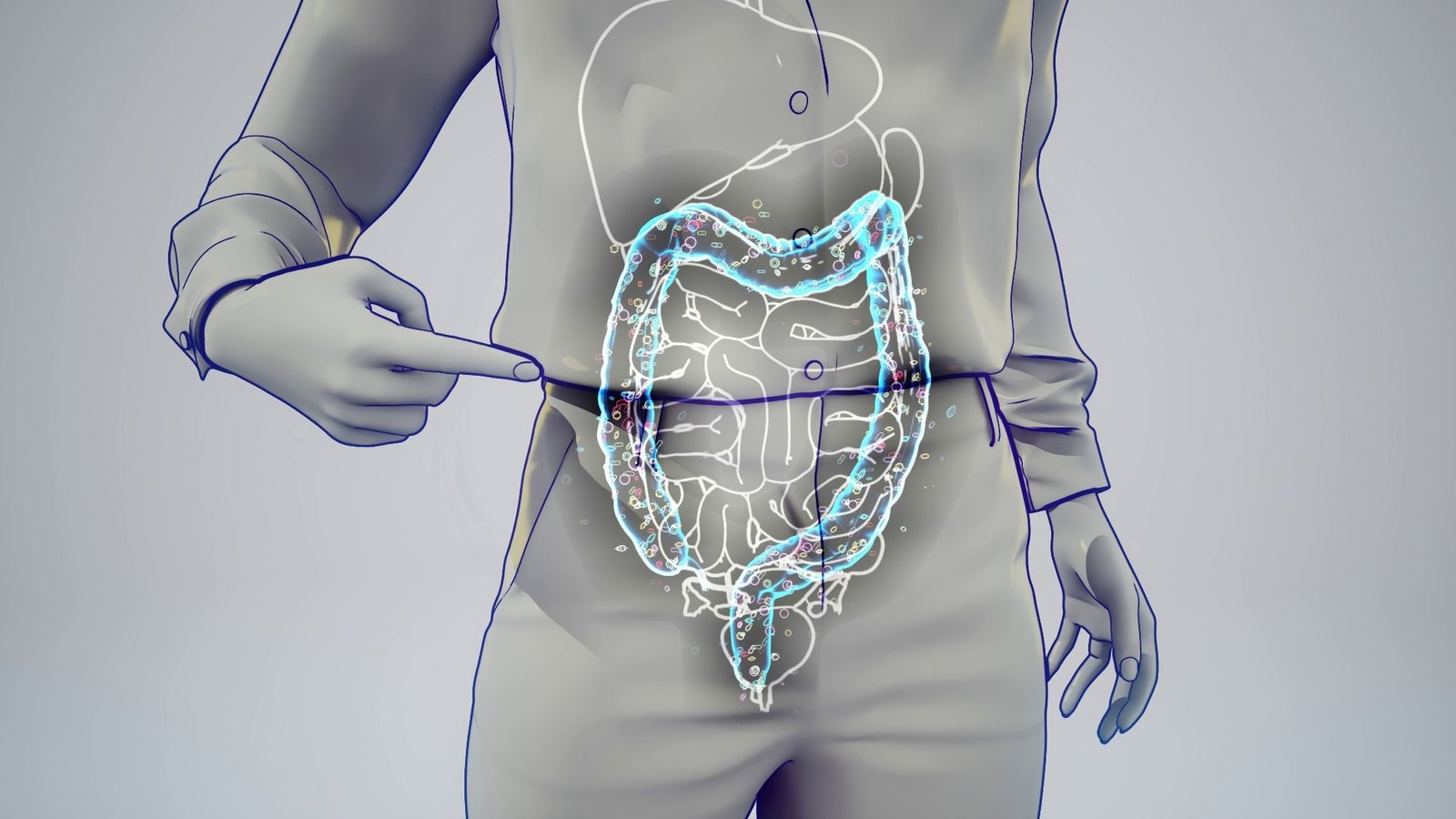
A wide-ranging review found that everyday factors, from diet and alcohol to stress, hygiene and sexual behavior, can influence the microbial balance in four key areas of a woman’s body, impacting infection risk, inflammation and long-term health.
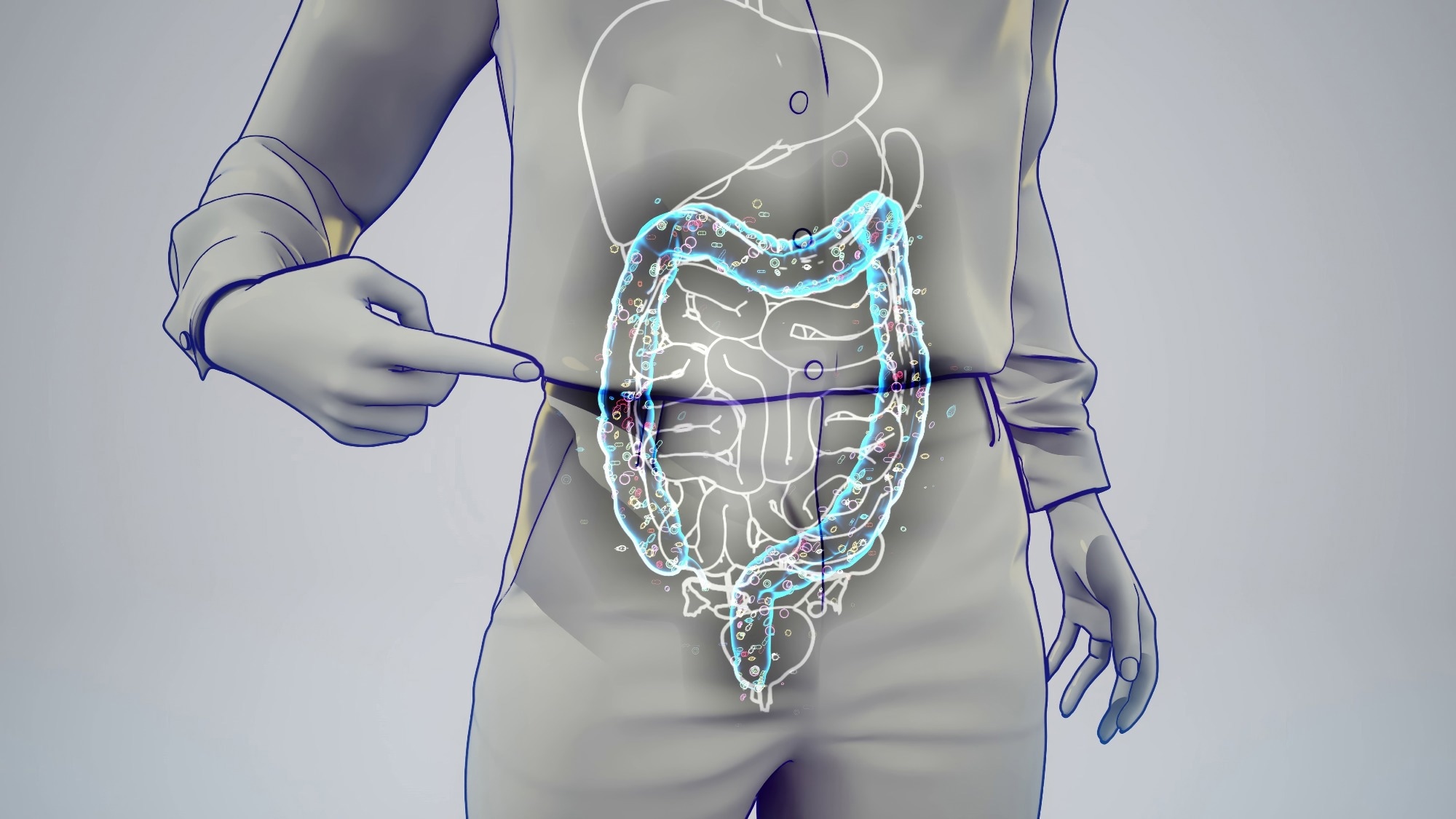
Research: Shaping the female microbiome: A review of lifestyle factors that influence the vaginal, intestinal, oral, and skin microenvironments. Image credit: Julien Tromeur / Shutterstock
In a comprehensive review recently published in the magazine microbial ecologyresearchers synthesized evidence examining the effects of modifiable health behaviors such as diet, smoking, obesity, alcohol use, stress, physical activity, and hygiene on women’s microbiome composition and function.
Review results suggest that lifestyle behaviors are associated with significant changes in microbial diversity and function, providing the basis for future research and potential targeted clinical interventions and personalized health strategies.
Microbiome abnormalities and gender differences in women
Decades of research have established that the human microbiome is an important regulator of immune responses and metabolic processes. However, recent reviews have highlighted that modern studies have largely failed to account for potential sexual dimorphism in microbial composition.
Modern evidence shows that sexual dimorphism exists, and in women, these differences are primarily caused by cyclical fluctuations in sex hormones, often accompanying reproductive events and changes in body composition. This phenomenon is best studied within the vaginal canal. lactic acid bacteria Dominance is now an established feature of eubiosis, a healthy balance of microorganisms.
In contrast, dysbiosis, a pathological imbalance of the baseline microbial community, is strongly associated with several adverse outcomes, including maternal abnormalities such as pelvic inflammatory disease (PID), certain sexually transmitted infections (STIs), endometriosis, and preterm birth.
Recent evidence further links dysbiosis of the gut and skin microbiome to metabolic disorders such as obesity and inflammatory conditions such as acne. Despite the importance of these site-specific interactions, historical studies have often combined data from men and women or focused on a single anatomical location, limiting our understanding of interactions across the enterovaginal axis and other sites.
Women’s Microbiome Review Scope and Methods
This review aimed to address this clinical knowledge gap by comprehensively investigating how modifiable lifestyle and environmental factors influence women’s microbial communities. This review focused exclusively on women and synthesized evidence across four major regions: the vaginal, gut, oral, and skin microbiomes.
The authors analyzed only non-pharmacological variables to isolate the behavioral effects of medical interventions such as antibiotics. Rather than performing a pooled statistical analysis, they synthesized reported associations, including changes in alpha diversity (abundance within facilities) and beta diversity (differences between individuals), to account for microbial variation across studies.
This study also discussed the core taxa present throughout the site. Bifidobacterium, prevotellaand streptococcushas been identified across multiple anatomical environments. This review aimed to summarize how specific exposures change environmental conditions and influence microbial growth.
Impact on diet, smoking, obesity and hygiene
A review analysis identified dietary habits, smoking status, alcohol intake, and obesity as major modifiers of the microbial ecosystem in women.
Several studies have linked nutrition and the enterovaginal axis, suggesting that diet influences the vaginal microbiota through short-chain fatty acid (SCFA) and estrogen metabolism.
High dietary fiber intake was associated with lower systemic levels of sex hormones such as estrogen, progesterone, follicle-stimulating hormone (FSH), and luteinizing hormone (LH). A diet rich in fiber and starch is associated with a more favorable vaginal microbial profile and reduced risk of bacterial vaginosis, but the mechanisms remain unclear.
In contrast, the higher the alcohol intake, the lower the alcohol intake tended to be. lactic acid bacteria and increased intravaginal α-diversity, a profile associated with increased susceptibility to bacterial vaginosis.
Obese individuals (body mass index (BMI) > 30) showed a shift to higher levels. Megasphaera and Mobilunkas and lower than that lactic acid bacteria level.
In the gut microbiome, obesity was associated with higher and lower ratios of Firmicutes to Bacteroidetes Bifidobacterium level. Alcohol use was associated with a decrease in Bacteroidetes and an increase in Proteobacteria and Fusobacteria.
Smoking showed a dose-dependent pattern consistent with antiestrogenic effects. Chronic smokers showed the following levels of decline: lactic acid bacteria Increased levels of inflammatory metabolites in the vaginal canal.
Hygiene behaviors, particularly the use of vaginal irrigation products, were associated with a 3-fold increase in adverse outcomes such as bacterial vaginosis, STIs, and urinary tract infections (UTIs). Stress has been identified as a cortisol-mediated inhibitor of vaginal glycogen deposition, potentially suppressing vaginal glycogen deposition. lactic acid bacteria Energy supply and protective effect.
Precise health implications of women’s microbiome
This review highlights the clinically important impact that lifestyle behaviors have on women’s microbiomes and related health outcomes. Some behaviors, such as smoking and excessive hygiene, promote dysbiosis, while others, such as physical activity and a high-fiber diet, are associated with more beneficial microbial profiles, although the effects vary depending on anatomical location.
Future research should integrate longitudinal data from multiple sites to support precise interventions tailored to individual women’s health profiles.
