


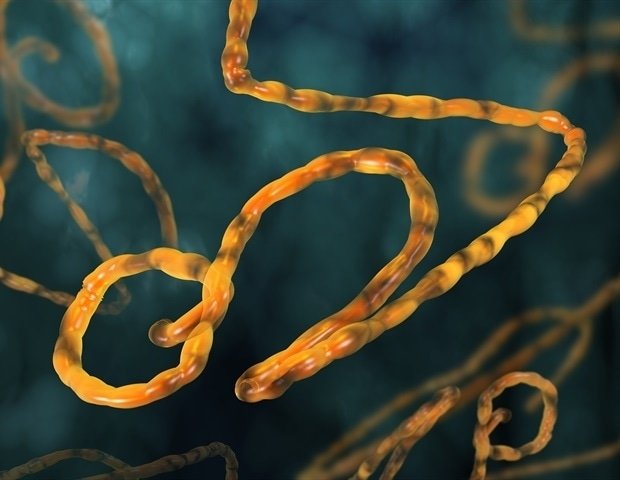
Two deadly infectious diseases: Ebola https://www.cmaj.ca/lookup/doi/10.1503/cmaj.260834 and hantavirus https://www.cmaj.ca/lookup/doi/10.1503/cmaj.260789has made headlines in recent weeks for posing a serious threat to public health. Both require strict infection prevention and control (IPAC) practices and often present with similar initial symptoms.
Two concise articles CMJ (Canadian Medical Association Journal) provides information about each disease for clinicians.
Hantavirus:
- Nationally notifiable diseases in Canada – Four to five cases are confirmed in Canada each year and must be reported. These are typically obtained from rodents at agricultural sites in Manitoba, Saskatchewan, Alberta, and British Columbia. The Andes strain is unique in that it can be transmitted from person to person.
- Causes two clinical symptoms – Strains from the Americas, including Andes virus, which has been in the news recently, cause hantavirus cardiopulmonary syndrome. European and Asian strains cause hemorrhagic fever and kidney dysfunction. Both types have an incubation period of about 2 to 4 weeks, and symptoms include fever, headache, muscle aches, and abdominal pain.
- Serology and polymerase chain reaction (PCR) tests can help with diagnosis – The National Microbiology Laboratory in Winnipeg conducts these tests.
- supportive care – There are no specific antiviral treatments or vaccines for hantavirus, so treatment can help reduce symptoms.
- IPAC protocol is required – Patients with suspected Andes strain infection should be isolated using airborne, droplet, and contact precautions, with infectious disease experts involved and public health informed.
Ebola virus disease:
- Sporadic outbreaks have occurred in Central and West Africa since 1976. – There are three main viruses that can infect humans, and there is evidence to suggest that they originate from fruit bats. The Ebola virus is spread by person-to-person contact through bodily fluids such as vomit, semen, diarrhea, and blood, as well as by touching infected surfaces or objects. The infectious diseases currently occurring in the Democratic Republic of the Congo are Bundibugyo Ebola virusthe mortality rate is 30% to 50%.
- Less than 50% of patients exhibit bleeding symptoms – Symptoms include fever of 38°C or higher, fatigue, muscle pain, and gastrointestinal disorders. The incubation period is 2 to 21 days, and diagnosis is made by PCR test.
- People with potential symptoms or risk of exposure should get tested – People who have traveled to countries where Ebola virus disease is endemic, or who have had close contact with infected people or bats, primates, or game animals in endemic areas, should be tested.
- Strict IPAC should be used for suspected cases – Health Canada has a detailed process for screening, assessment, and IPAC precautions, which should include fit-tested N95 masks, face shields, gloves, and liquid-impermeable gear for full protection.
- Significant advances have been made in disease prevention and control – Vaccines for prevention zaire ebola virus is highly effective and can reduce mortality from 50% to 35% with two antiviral drugs. However, there are currently no vaccines or therapeutic drugs available for prevention or treatment. Bundibugyo Ebola virussupportive care is the main approach.
sauce:
Canadian Medical Association Journal
References:
Visited 9 times, 1 visit(s) today
