


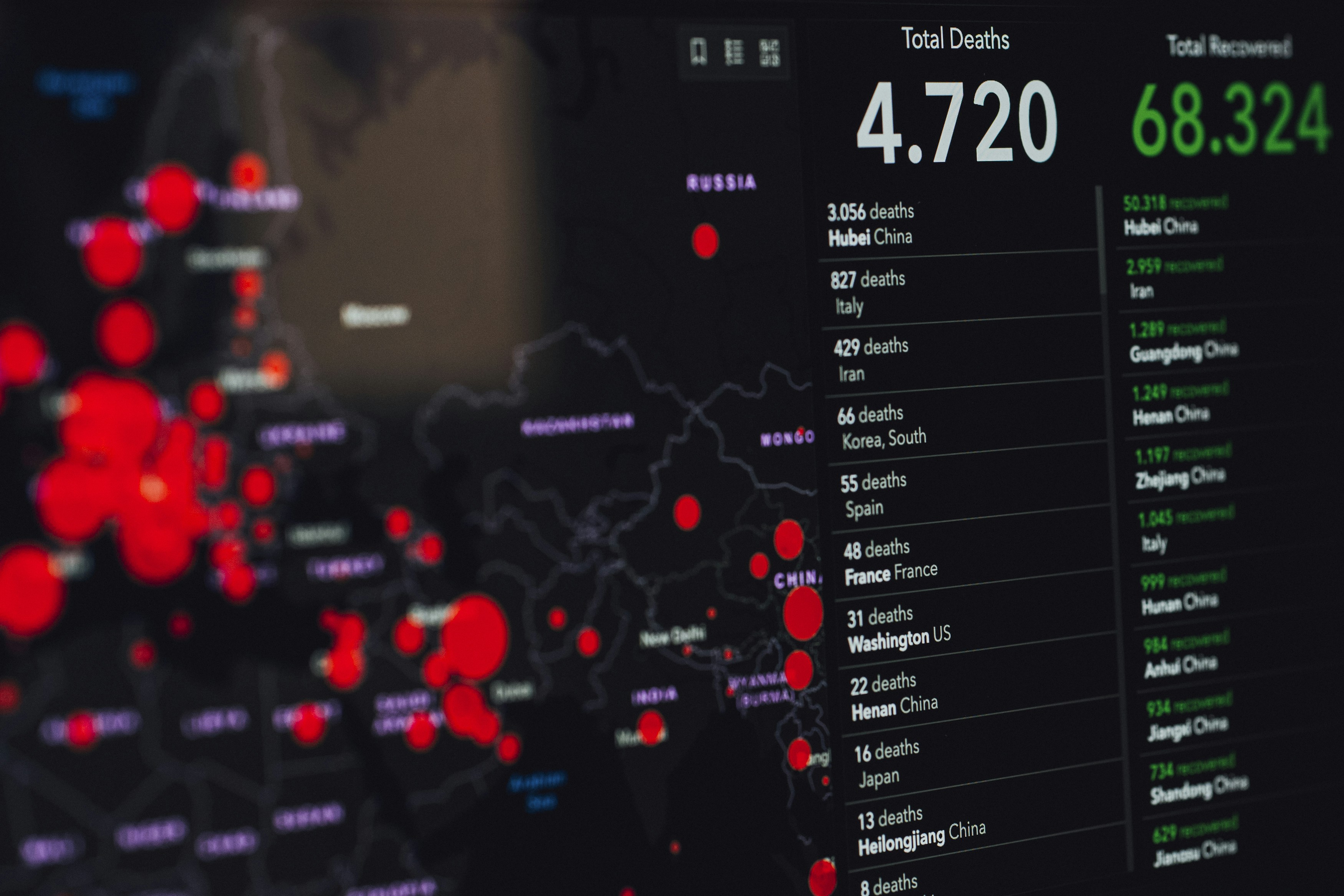
Recent population health trends show critical risks to global progress. The World Health Statistics 2026 report indicates that while meaningful improvements have occurred, such as a 40% drop in new HIV infections and increases in access to water, sanitation, and hygiene for over a billion people, many targets remain off track. Malaria incidence has risen 8.5% since 2015, anaemia affects nearly one third of women of reproductive age, and UHC service coverage has advanced only slightly from 68 to 71. These population health trends demand immediate action to reverse slowdowns in SDG health progress and prevent further reversals. Government health officials and epidemiologists must prioritize stronger data infrastructure. Only 18% of countries report mortality data within one year, limiting effective monitoring and response. Implementing robust public health data systems will enable timely detection of outbreaks and better allocation of resources. For global health NGO leaders, adopting epidemic prevention strategies remains vital. The WHO framework emphasizes surveillance, stockpiles, and International Health Regulations compliance to build resilience. Enhanced pandemic preparedness policies can address gaps exposed by recent events, protecting vulnerable populations. The COVID-19 pandemic reversed a decade of life expectancy gains with 22.1 million excess deaths. Persistent risks like air pollution causing 6.6 million deaths underscore the fragility of current achievements. Addressing these through comprehensive policies will safeguard future generations from similar setbacks and ensure sustained improvements in population health trends for all communities.
Modernizing Surveillance Data Systems for Faster Outbreak Detection
Real-time improvements in public health data systems directly support disease outbreak preparedness by delivering faster signals from core sources. CDC milestones target 86 percent national emergency department coverage across all states and territories by 2026 to enhance early detection tied to population health trends. Automated hospital bed capacity reporting now operates in 17 jurisdictions through near-real-time feeds that reduce manual effort. Electronic case reporting processing reaches 70 percent of funded health departments, cutting delays in surveillance. Wastewater surveillance covers at least 40 percent of states with 80 percent of samples submitted within seven days, supporting timely anomaly identification. These steps facilitate cross-source analysis within integrated platforms that combine emergency department, laboratory, and case data. Expanded mortality data exchange via FHIR standards now connects 23 vital records jurisdictions. Laboratory electronic reporting reaches all CDC infectious disease labs and 75 percent of state facilities. Such enhancements allow officials and NGOs to monitor population health trends more accurately and activate epidemic prevention strategies before threats escalate. The 2026 targets also introduce AI-ready features and minimal data sets that streamline emergency responses while preserving data quality and privacy. https://www.cdc.gov/public-health-data-strategy/php/about/phds-milestones.html
Strategic Policies, Common Pitfalls, and Next Steps for Community Health
High-impact policies center on scaling public health data systems and aligning with the WHO Global Health Strategy 2025-2028 to reverse setbacks in population health trends. Governments should mandate automated reporting for emergency departments and wastewater while expanding FHIR-based mortality exchanges. NGOs can strengthen epidemic prevention strategies through diagnostics investments and health systems support that close immunity gaps. Frequent implementation mistakes include fragmented data agreements that delay responses and over-reliance on outdated surveillance missing real-time signals from population health trends. Another common pitfall is insufficient training on AI tools that leaves jurisdictions unprepared despite available CDC guidance. Leaders often neglect International Health Regulations compliance until outbreaks emerge. Concrete next steps include onboarding at least three additional jurisdictions to minimal data necessary protocols and achieving 50 percent hospital electronic case reporting coverage. Officials should audit 2026 CDC milestones quarterly to ensure 86 percent emergency department data reach and 40 percent wastewater compliance. Global health gains face threat of reversal and PHDS milestones provide measurable benchmarks. What are the priority investments? Strengthening primary care and sustainable financing. How do we measure success? Track UHC service coverage rises alongside SDG health progress indicators. These actions protect vulnerable communities and sustain long-term population health trends.
Sources
- https://www.who.int/news/item/13-05-2026-global-health-gains-face-threat-of-reversal
- https://www.thelancet.com/journals/lancet/article/PIIS0140-6736(25)00902-X/fulltext
- https://www.cdc.gov/public-health-data-strategy/php/about/phds-milestones.html
- https://nam.edu/perspectives/2026-ebola-outbreak-pandemic-preparedness
- https://www.who.int/activities/preparing-and-preventing-epidemics-and-pandemics
- https://www.path.org/what-we-do/health-systems-strengthening/epidemic-preparedness-and-response
- https://news.fundsforngos.org/2026/04/24/who-2025-report-shows-measurable-global-health-impact
- https://www.globalhealthpolicylab.org/health-policy-trend-report-2026
- https://cdn.who.int/media/docs/default-source/documents/about-us/general-programme-of-work/global-health-strategy-2025-2028.pdf
- https://www.who.foundation/post/five-milestones-shaping-global-health-in-2025-and-beyond
