


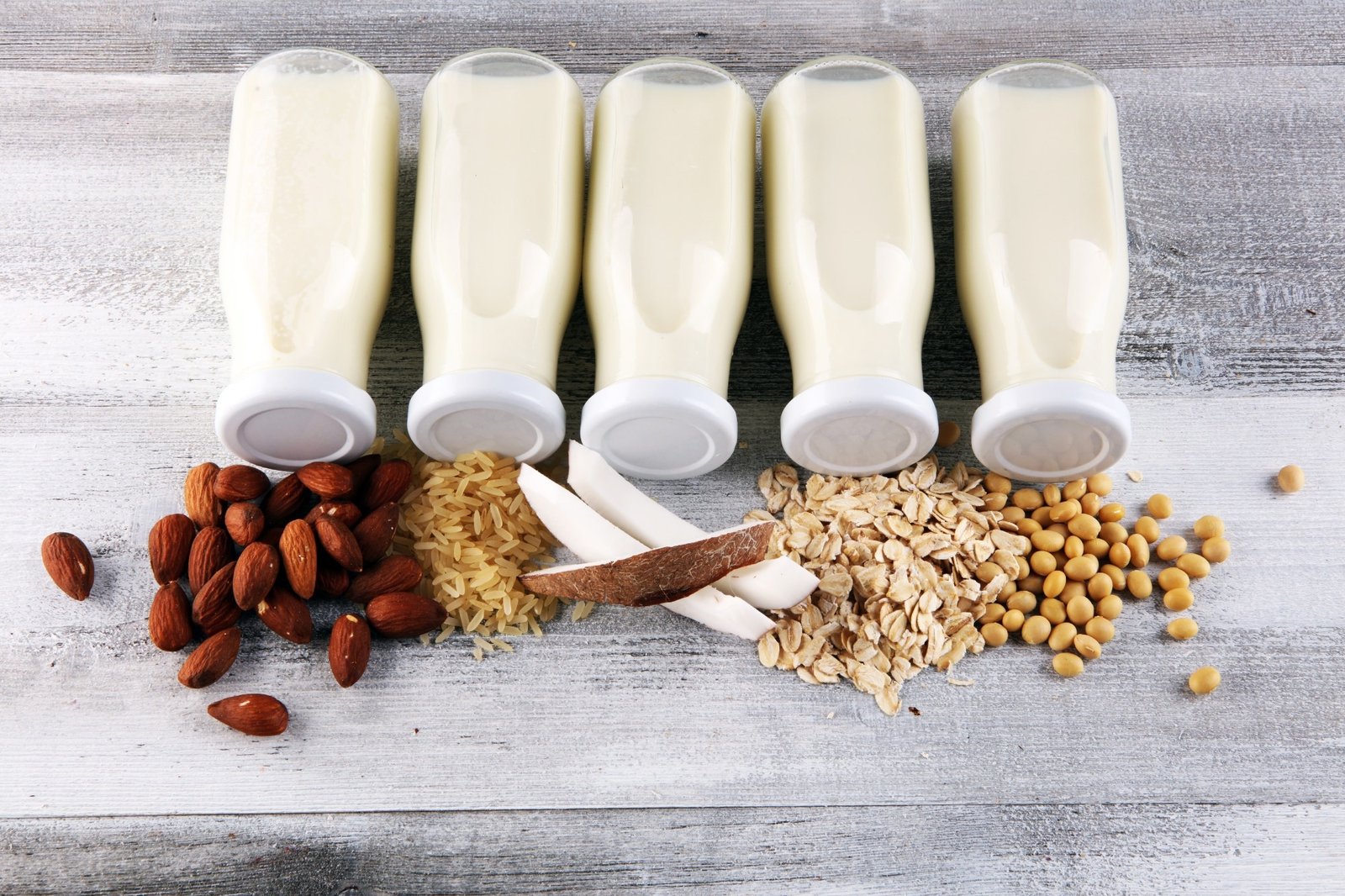
Fermented, plant-based dairy alternatives do more than just improve taste. This study revealed how they reform bioactive lipids and influence inflammation, oxidation, and platelet activity at the molecular level.
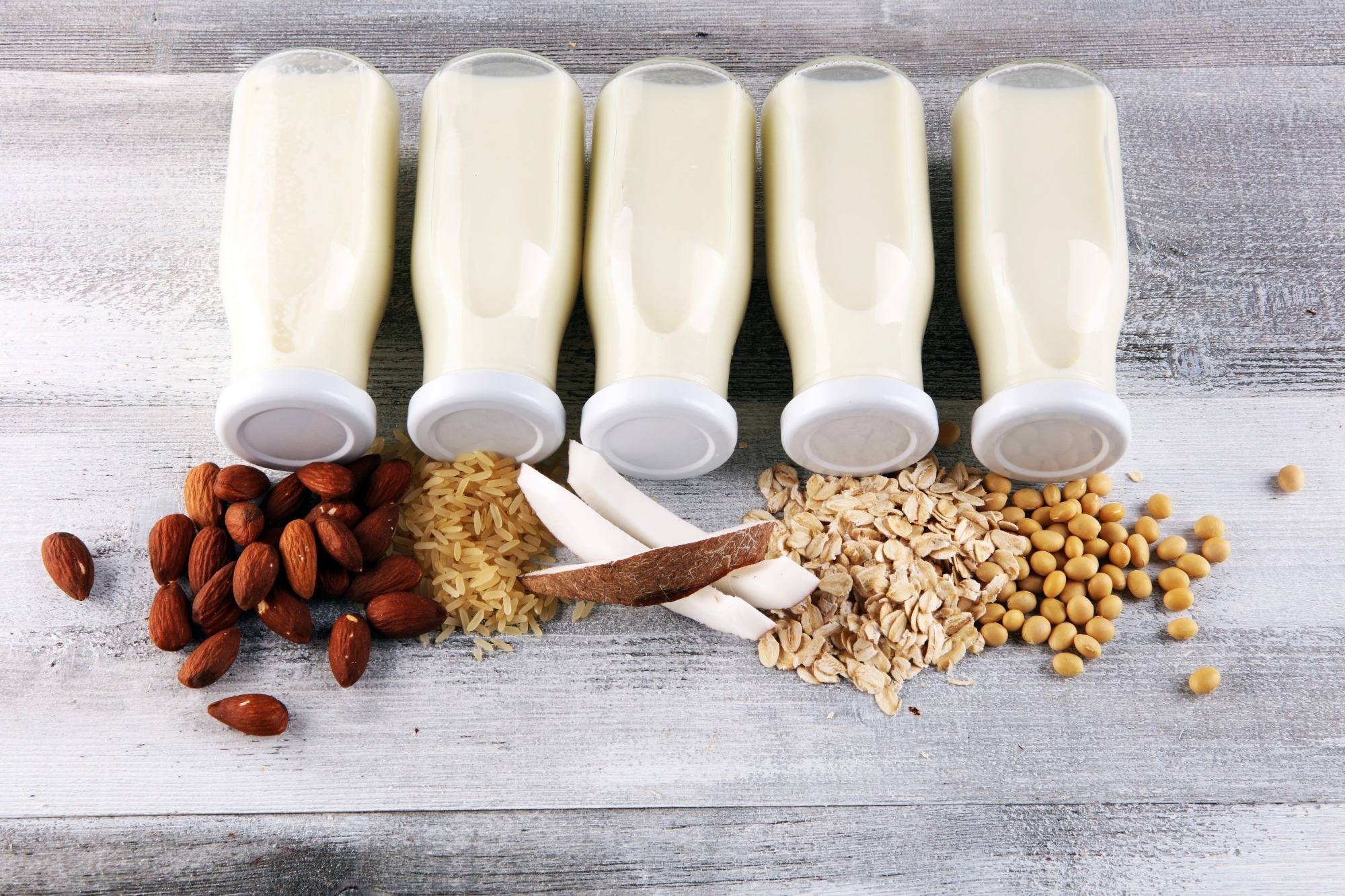 Research: Properties of oat- and soy-based dairy substitutes. Image credit: Beats1/Shutterstock.com
Fermentation may enhance the anti-inflammatory and cardiometabolic bioactivity of plant-based dairy alternatives such as oat and soy beverages, according to a study published in the journal nutrients.
diet and inflammation
Dietary factors contribute to the burden of chronic diseases such as diabetes, cardiovascular disease, and cancer. These are associated with chronic low-grade systemic inflammation and oxidative stress.
Diets rich in pro-inflammatory foods and energy-dense, low-nutrient components lead to increased levels of inflammatory mediators, resulting in platelet and leukocyte activation and endothelial dysfunction. These changes, especially in the presence of other pro-inflammatory factors such as smoking, excessive alcohol intake, sedentary lifestyle, and stress, predispose to inflammation and thrombosis within blood vessels, processes that accelerate the onset and progression of cardiometabolic and malignant diseases.
Anti-inflammatory properties of plant-based diets
Plant-based diets are rich in bioactive compounds such as phenols, carotenoids, vitamins, and polar lipids that have antioxidant and anti-inflammatory properties. Many of these have been previously associated with cardioprotective and anticoagulant processes.
Soybeans and oats are among the most common plant-based foods in terms of consumer choice, commercial manufacturing, and research support. Soy-based products provide high-quality protein and polyunsaturated fatty acids, as well as multiple bioactive compounds. In addition to providing unique phenolics and other bioactive and lipid components, oats have a fiber-rich matrix.
Effects of fermentation on oat and soy beverages
Fermentation of soybeans and oats by lactic acid bacteria, including Lactobacillus spp. and thermophilus It has been reported that it may improve the bioavailability of bioactive molecules and enhance their biological effects. However, the lipids and associated bioactive compounds contained in these alternative dairy products remain largely unknown. This study investigated the effect of fermentation on the bioactivity of commercial soy drinks, oat drinks, and yogurt-type products.
In particular, the authors investigated the ability of lipids to prevent platelet aggregation in response to inflammatory molecules such as platelet-activating factor (PAF) and platelet-activating factor adenosine-5′-diphosphate (ADP). They also investigated the relationship between structure and function. The authors used efficient and fixed Extraction approaches to separate and fractionate lipids from these foods.
Dominant amphiphilic layer
The overall total lipid content was similar in unfermented oat and soybean beverages, and amphiphilic compounds were predominant in both. These include phospholipids and glycolipids, which are known to have antioxidant, anti-inflammatory, and antithrombotic properties.
The total amphiphilic lipid content of the unfermented oat beverage was 3.3 g/100 g, whereas the total lipophilic lipid content was 0.3 g/100 g, and a similar trend was observed for the soy-based beverage. Total fat increased in fermented beverages. For example, fermented bean yogurt-type beverages contain an average of 4.5 g total fat per 100 g, compared to 3.8 g total fat per 100 g for non-fermented beverages.
Lipophilic layer concentrates phenols
Antioxidant activity varies between assays but is often highest in certain fractions, including the lipophilic fraction of unfermented beverages, particularly oat beverages, likely due to their higher phenolic content. Previous studies suggested that soybeans have higher antioxidant activity, probably in association with tocopherols and other lipophilic antioxidants.
The concentrations of most bioactive substances increased in certain fractions after fermentation. For example, the phenolic content of the lipophilic fraction of soymilk yogurt was increased. On the other hand, it decreased in oat yogurt, which is probably due to the plant matrix, extracted fractions, phenolic binding, and fermentation process.
Carotenoids localized in the amphiphilic layer
In addition to phenols, soy and oat drinks contain carotenoids. These hydrophobic compounds are unstable and poorly soluble in nonpolar lipids. These were concentrated within the amphipathic fraction across all beverages, probably due to stabilization by polar lipids. Fermentation increased carotenoid concentrations in both soybean and oat products. This is especially noticeable in yogurt-type samples.
In previous studies, the lipophilic fraction contained high molecular weight carotenoids and phenolics, and the amphiphilic fraction contained phenolics and low molecular weight carotenoids. The authors hypothesize that these differences may reflect the food matrix, a relatively inefficient extraction process, or the presence of highly lipophilic esterification or lipid-related phenols.
Synergistic interactions promote cardiometabolic health
These compounds, polar lipids, carotenoids, phenols, Based on previous evidence, it may act synergistically to enhance antioxidant efficiency and anti-inflammatory effects. For example, phenols scavenge free radicals and reduce oxidative stress while activating the body’s antioxidant production pathways.
At the same time, polar lipids and phenols inhibit lipid peroxidation, thereby stabilizing biological membranes. Polar lipids form an interface where lipophilic antioxidants and hydrophilic phenolics are localized in close association and may act together to regenerate antioxidant capacity at the interface. These effects may inhibit LDL oxidation and other prothrombotic and proinflammatory pathways associated with atherosclerosis.
Unsaturated fatty acid ratio
In addition to bioactive substances, unfermented soy drinks contain a proportion of anti-inflammatory unsaturated fatty acids, while oat drinks contain a more pro-inflammatory proportion. Fermentation was associated with a more favorable ratio of both, and anti-inflammatory, cardioprotective, and antithrombotic effects were primarily associated with changes in the n-6/n-3 ratio rather than changes in overall lipid class dominance.
Fermentation was associated with changes in antioxidant capacity that varied by assay and lipid fraction, and soy milk yogurt showed strong results. Antiplatelet activityOn the other hand, oat yogurt showed particularly high antioxidant capacity in the FRAP and carotenoid-rich amphipathic fractions.
Platelet activity
In addition to these properties, the amphiphilic fraction also exhibited strong antiplatelet activity in the tested models, regardless of fermentation or beverage type. Soy milk yogurt showed the highest activity among all samples. Oat yogurt also showed enhanced platelet inhibition, likely due to changes in polar lipid content and fat-soluble bioactive substances.
Platelet responses through the ADP pathway showed mixed results upon fermentation.: Soy yogurt showed improved antiplatelet activity, whereas oat yogurt showed improved antiplatelet activity. showed It has reduced activity compared to its non-fermented counterpart.
Relationship between structure and function of phospholipids
Soy and oat beverages provide phospholipids, which play important structural and metabolic roles in the human body. The authors identified the main bioactive phospholipids present in these beverages.
They observed that differences in fermentation-related activities were related to structural changes across multiple molecules. For example, fermentation has been associated with changes in phosphatidylcholine structure, including changes in fatty acid composition, particularly improved n-6/n-3 balance, and increased presence of monounsaturated and omega-3 fatty acids at specific molecular positions, which may contribute to enhanced biological activity.
Despite these promising findings, the authors emphasize that the preliminary nature of this study is based on in vitro and ex vivo assays of commercially available products rather than human or clinical control studies. Future studies are needed to determine whether these fermentation-induced changes are associated with meaningful health benefits in humans and to elucidate the underlying mechanisms.
Click here to download your PDF copy.
Reference magazines:
-
Koutis, N., Liepouris, G., Moysidou, I. et al. (2026). Fermentation enhances the antioxidant, antiplatelet, and anti-inflammatory properties of oat- and soy-based dairy alternatives. nutrients. Toi: https://doi.org/10.3390/nu18081260. https://www.mdpi.com/2072-6643/18/8/1260
