


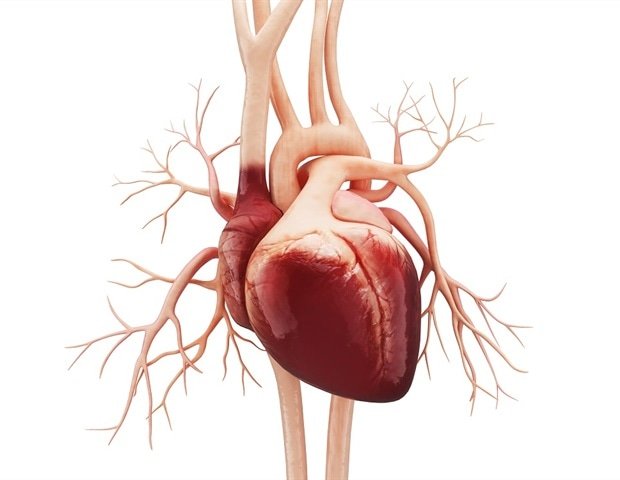
Extreme heat and cold increase cardiovascular risk, which can lead to heart attack, stroke, heart failure and sudden cardiac death, according to a recent scientific statement from experts at Weill Cornell Medicine and other leading institutions. A statement from the American Heart Association: circulationHere we outline the factors that put your health at risk and recommendations to reduce the increased cardiovascular risks brought on by extreme temperatures.
Historically, deaths from cardiovascular disease have increased in colder climates due to more cold days. However, the report warns that the frequency, intensity and duration of heat waves are increasing, which could lead to heat-related deaths that outpace the decline in cold-related mortality. Already, 2024 is the hottest year since the National Oceanic and Atmospheric Administration began keeping records in 1880.
“Understanding how we can keep people safe as heat waves increase requires concerted action in research, clinical practice, and policy,” said Dr. Arnab Ghosh, associate professor of medicine at Weill Cornell University School of Medicine and internist at NewYork-Presbyterian/Weill Cornell Medical Center, who led the development of the report’s policy section.
In hot weather, your body cools down by dilating your blood vessels and increasing sweat production. This helps release heat, but it also lowers blood pressure and fluid levels. To compensate, your heart beats faster and pumps harder. This is dangerous for people with cardiovascular disease. Further complicating the problem, heart medications such as diuretics cause fluid loss. The result is stress on the heart, which can lead to a heart attack.
Older adults face the highest risk because their ability to regulate body temperature decreases with age. Other vulnerable groups include pregnant women, infants, outdoor workers, and low-income people who often live in areas with limited shade and lack of air conditioning.
Curbing current and future greenhouse gas emissions will be the best way to limit the effects of extreme heat on cardiovascular health, but learning how to live in today’s hotter world is also important, Dr. Ghosh said.
call to action
The authors emphasize that solutions need to work on multiple levels. This statement suggests areas for further research, such as determining temperature thresholds that put people at risk of cardiovascular disease and understanding the effects of repeated heat exposure over long periods of time. Another open question is how drugs interact with heat stress, especially when multiple drugs are taken together.
Do we need to adjust a patient’s medication if it’s 100 degrees outside? We don’t know right now. ”
Dr. Arnav Ghosh, Associate Professor of Medicine at Weill Cornell Medicine
Ironically, the healthcare system is a major contributor to carbon emissions, accounting for approximately 8.5% of U.S. greenhouse gas emissions. Everything from the energy needed to run MRI machines to the anesthetics used in operating rooms releases greenhouse gases.
Your healthcare provider may be more conservative about the treatments they recommend and the disposable devices they use. But physicians can only make major changes to their practice without compromising patient safety.
Dr. Ghosh said the entire system may need to be rethought to bring about meaningful change. For example, increasing telehealth appointments reduces the carbon footprint of traveling to and from appointments. “We need a fundamentally different system that provides the same health benefits but is also better for the planet,” he said.
Researchers also highlight the role of policy leaders in helping people cope with heatwaves. This could mean keeping energy costs affordable so people can use air conditioning, and providing cooling centers for people who need a place to cool off.
On the other hand, planting trees and keeping existing trees healthy can help make cities cooler. Dr. Ghosh recently said, nature communications Paper highlighting best practices for urban tree planting. The most effective way to cool cities is not simply to plant more trees, but to create dense, continuous canopies near homes, streets, and public spaces where residents are more exposed.
“Heat is a problem right now, but we can’t wait,” he said. “We need more tools and creative solutions to protect people.”
sauce:
Reference magazines:
Hanneman, K. Others. (2026). Suboptimal body temperature and cardiovascular health: American Heart Association scientific statement. circulation. DOI: 10.1161/CIR.0000000000001419. https://www.ahajournals.org/doi/10.1161/CIR.0000000000001419
