

Close Menu

    Subscribe to Updates

    Get the latest creative news from FooBar about art, design and business.

    What's Hot

    Scientists discover brain chemicals that help break bad habits

    June 8, 2026

    Scientists use ancient DNA to reveal how natural selection shaped Western Eurasians over 10,000 years

    June 8, 2026

    ADA: Novo’s Wegovy tablets reach new GLP-1 patients and reach impressive milestone of 3 million prescriptions

    June 8, 2026
    Facebook X (Twitter) Instagram
    Facebook X (Twitter) Instagram
    Health Magazine
    • Home
    • Environmental Health
    • Health Technology
    • Medical Research
    • Mental Health
    • Nutrition Science
    • Pharma
    • Public Health
    • Discover
      • Daily Health Tips
      • Financial Health & Stability
      • Holistic Health & Wellness
      • Mental Health
      • Nutrition & Dietary Trends
      • Professional & Personal Growth
    • Our Mission
    Health Magazine
    Home » News » Melanoma disproportionately affects Florida’s elderly population
    Discover

    Melanoma disproportionately affects Florida’s elderly population

    healthadminBy healthadminJune 8, 2026No Comments4 Mins Read
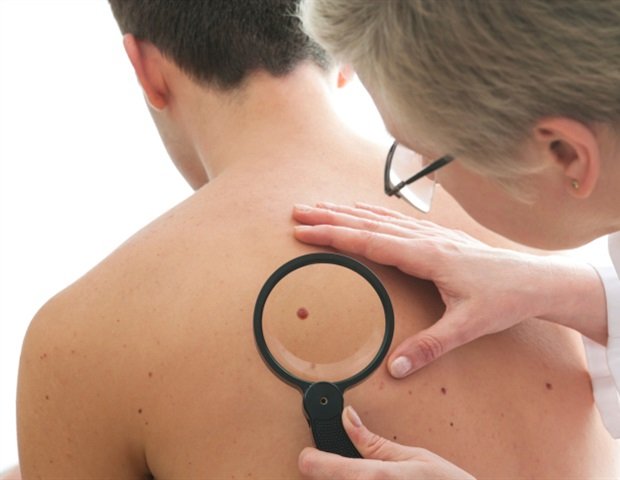
    Melanoma disproportionately affects Florida’s elderly population
    Share
    Facebook Twitter Reddit Telegram Pinterest Email


    Florida’s year-round sunshine and exposure to intense ultraviolet (UV) rays have resulted in one of the highest burdens of skin cancer in the nation, with older adults bearing the brunt of the burden. A new study from Florida Atlantic University’s Charles E. Schmidt School of Medicine reveals that melanoma, the deadliest of skin cancers, continues to disproportionately affect older Floridians, with persistent disparities in both diagnosis and mortality rates among genders, races, and ethnicities.

    The findings provide one of the most comprehensive recent assessments of skin cancer trends among Floridians age 65 and older, as the Sunshine State has the second-highest rate of melanoma in the nation.

    FAU researchers conducted a population-based analysis of skin cancer incidence and mortality among adults age 65 and older in Florida using data from the CDC’s WONDER (Wide Wide Online Data for Epidemiological Research) database. The study looked at diagnoses from 2018 to 2021 and deaths from 2018 to 2023, and analyzed trends by age, gender, race, and ethnicity. Basal cell carcinoma and squamous cell carcinoma were excluded to focus on melanoma and other less common but clinically aggressive skin cancers.

    The result is Journal of Geriatric Oncologyrevealed a consistent and striking pattern. Across all years analyzed, older men in Florida experienced approximately twice as many skin cancer-related deaths as women. Although morbidity and mortality patterns remained relatively stable over time, gender-based gaps persisted throughout the study period.

    Researchers believe this difference is due to a complex combination of factors, including lower rates of sun protection behaviors and skin self-examination among men, higher cumulative lifetime UV exposure in Florida’s high-risk environment, and emerging evidence suggesting that biological sex differences in immune system function may influence cancer progression and survival outcomes.

    Racial and ethnic disparities were also significant. Non-Hispanic populations had significantly higher skin cancer diagnosis and mortality rates than Hispanic populations, and melanoma and other skin cancers occurred most frequently among white residents.

    But researchers caution that these patterns may reflect real differences in risk and a combination of structural and social factors, including differences in access to dermatological treatments, differences in health literacy, and differences in how and where skin cancer is detected and diagnosed.

    The study also suggests that the observed decline in incidence in a given year may reflect disruptions in screening, diagnosis, and reporting during the COVID-19 pandemic rather than a true decline in disease burden. Across multiple categories, incidence was lowest in 2020 and then rebounded in 2021, coinciding with pandemic-related disruptions in health care access and cancer detection.

    Taken together, our findings suggest that skin cancer in Florida is caused not only by UV exposure, but also by behavioral patterns, biological factors, and persistent gaps in prevention and early detection, especially in older men. ”


    Lea Sacca, Ph.D., senior author and assistant professor of population health, Schmidt School of Medicine

    This study shows that these disparities are consistent in both morbidity and mortality, highlighting the uneven burden of disease across Florida’s aging population and the need for more population-tailored and individualized prevention strategies.

    “Men appear to account for a disproportionate share of both illness and death, which may reflect differences in preventive behaviors, health-seeking patterns, and perhaps underlying biological susceptibilities that require further investigation,” Professor Sacca said. “These differences cannot be fully explained by UV exposure alone and point to a combination of behavioral and biological factors.”

    Increased UV exposure in Florida likely increases the risk of melanoma across the state, but researchers note that this does not fully explain why certain groups experience significantly worse outcomes.

    “The patterns we’re seeing indicate missed opportunities for prevention and early detection,” Sacca said. “Improving awareness of skin cancer risks, encouraging regular skin exams, and expanding culturally responsive education are important steps to reducing these disparities and improving outcomes across the state.”

    As summer begins, temperatures rise, and beach season is in full swing, the combination of high UV exposure, an aging population, and lack of preventive care make this a particularly pressing public health concern, researchers highlight. They added that stronger public health messaging, earlier screening, and targeted support are essential to reducing the burden of largely preventable cancers among Florida’s rapidly growing elderly population.

    sauce:

    florida atlantic university

    Reference magazines:

    Srivastava, M. Others. (2026). Skin cancer trends in the Sunshine State: A continuing concern for older Americans. Journal of Geriatric Oncology. DOI: 10.1016/j.jgo.2026.103005. https://www.sciencedirect.com/science/article/abs/pii/S1879406826001591?via%3Dihub


    Source link

    Visited 3 times, 3 visit(s) today
    Share. Facebook Twitter Pinterest LinkedIn Telegram Reddit Email
    Previous ArticleWHO’s new estimates on foodborne illnesses could improve global prevention
    Next Article Extreme temperatures increase risks to heart health
    healthadmin

    Related Posts

    Extreme temperatures increase risks to heart health

    June 8, 2026

    WHO’s new estimates on foodborne illnesses could improve global prevention

    June 8, 2026

    NHS online diabetes program improves blood sugar levels and blood pressure

    June 8, 2026

    Living in a rural area may worsen epilepsy outcomes

    June 8, 2026

    DNA study reveals link between BRCA gene and aggressive early-onset breast cancer in black women

    June 8, 2026

    Improved non-invasive brain stimulation targets deep neurological diseases

    June 8, 2026
    Add A Comment
    Leave A Reply Cancel Reply

    Categories

    • Daily Health Tips
    • Discover
    • Environmental Health
    • Exercise & Fitness
    • Featured
    • Featured Videos
    • Financial Health & Stability
    • Fitness
    • Fitness Updates
    • Health
    • Health Technology
    • Healthy Aging
    • Healthy Living
    • Holistic Healing
    • Holistic Health & Wellness
    • Medical Research
    • Medical Research & Insights
    • Mental Health
    • Mental Wellness
    • Natural Remedies
    • New Workouts
    • Nutrition
    • Nutrition & Dietary Trends
    • Nutrition & Superfoods
    • Nutrition Science
    • Pharma
    • Preventive Healthcare
    • Professional & Personal Growth
    • Public Health
    • Public Health & Awareness
    • Selected
    • Sleep & Recovery
    • Top Programs
    • Weight Management
    • Workouts
    Popular Posts
    • 1773313737_bacteria_-_Sebastian_Kaulitzki_46826fb7971649bfaca04a9b4cef3309-620x480.jpgHow Sino Biological ProPure™ redefines ultra-low… March 12, 2026
    • pexels-david-bartus-442116The food industry needs to act now to cut greenhouse… January 2, 2022
    • 1773729862_TagImage-3347-458389964760995353448-620x480.jpgDespite safety concerns, parents underestimate the… March 17, 2026
    • the-pros-and-cons-of-paleo-dietsThe Pros and Cons of Paleo Diets: What Science Really Says April 16, 2025
    • 1774403998_image_28620e4b6b0047f7ab9154b41d739db1-620x480.jpgGait pattern helps distinguish between Lewy body… March 24, 2026
    • 1773209206_futuristic_techno_design_on_background_of_supercomputer_data_center_-_Image_-_Timofeev_Vladimir_M1_4.jpegMulti-agent AI systems outperform single models… March 11, 2026

    Demo
    Stay In Touch
    • Facebook
    • Twitter
    • Pinterest
    • Instagram
    • YouTube
    • Vimeo
    Don't Miss

    Scientists discover brain chemicals that help break bad habits

    By healthadminJune 8, 2026

    Whether navigating a job interview, meeting someone for the first time, or dealing with an…

    Scientists use ancient DNA to reveal how natural selection shaped Western Eurasians over 10,000 years

    June 8, 2026

    ADA: Novo’s Wegovy tablets reach new GLP-1 patients and reach impressive milestone of 3 million prescriptions

    June 8, 2026

    Extreme temperatures increase risks to heart health

    June 8, 2026

    Subscribe to Updates

    Get the latest creative news from SmartMag about art & design.

    HealthxMagazine
    HealthxMagazine

    At HealthX Magazine, we are dedicated to empowering entrepreneurs, doctors, chiropractors, healthcare professionals, personal trainers, executives, thought leaders, and anyone striving for optimal health.

    Our Picks

    Extreme temperatures increase risks to heart health

    June 8, 2026

    Melanoma disproportionately affects Florida’s elderly population

    June 8, 2026

    WHO’s new estimates on foodborne illnesses could improve global prevention

    June 8, 2026
    New Comments
      Facebook X (Twitter) Instagram Pinterest
      • Home
      • Privacy Policy
      • Our Mission
      © 2026 ThemeSphere. Designed by ThemeSphere.

      Type above and press Enter to search. Press Esc to cancel.