


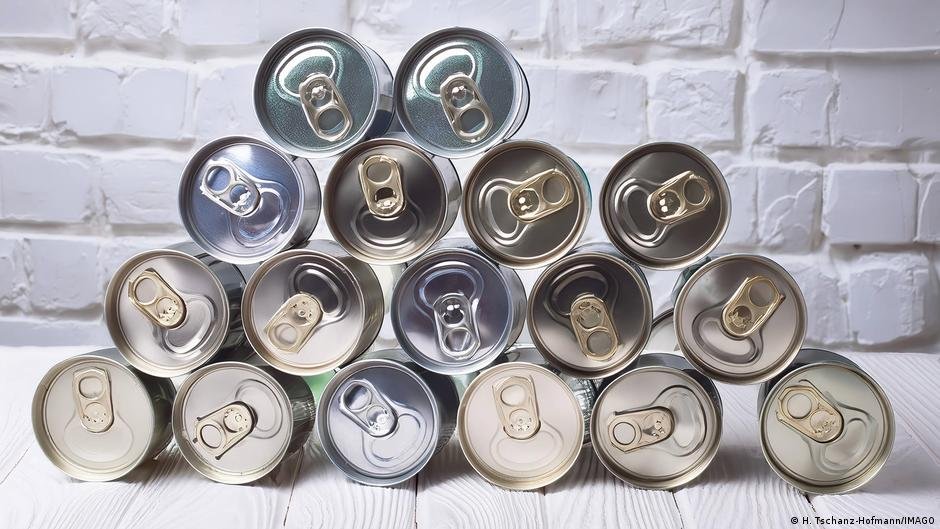
Bisphenol A (BPA) is an industrial chemical that is banned in the EU for use in baby bottles and thermal paper receipts. In the future, it will also be banned from food packaging.
From July 2026, food wrappers and containers made with BPA or other bisphenols will no longer be sold in the EU.
Bisphenol A is a chemical used in the production of polycarbonate and epoxy resins, which are hard, transparent plastics. Such resins are found, for example, in the internal coatings of food or beverage cans. Designed to prevent metal from rusting and leaching into food.
BPA is also found in plastic films, printing inks, and adhesives. According to a report by BUND, one of Germany’s largest environmental non-governmental organizations, an average of 410,000 tons of BPA-containing products are sold in Germany each year.
The EU’s new ban on BPA applies not only to single-use food packaging, but also to items such as plastic bottles, lunch boxes and kitchen utensils.
How BPA harms our health
When chemicals such as BPA are used in food containers, small amounts of the substances can leach into food and beverages. According to the European Food Safety Authority (EFSA), bisphenol A in particular is considered to pose a health risk to people of all ages.
BPA can alter certain immune system mechanisms that can lead to asthma and autoimmune diseases, among other things, EFSA reports. There is also evidence to suggest that BPA may increase the risk of cardiovascular disease, diabetes, and obesity.
But most of all, BPA can interfere with our hormonal system. As a result, male and female fertility may be impaired and the onset and development of puberty may be altered. It has also been linked to certain types of cancer.
The hormonal effects of BPA have been known for decades. It is therefore not surprising that bisphenol A can mimic the important female hormone estrogen. BPA was tested as a synthetic estrogen replacement in the 1930s. The researchers ultimately turned to the estrogen derivative DES (diethylstilbestrol), which has a similar molecular structure to BPA.
DES was used to treat pregnancy complications until the 1970s. However, researchers found that DES not only increases the mother’s risk of breast cancer and birth-related complications, but also increases the risk of vaginal and cervical cancer in her daughters. Prescription of DES was banned in 1971.
EU and US studies show BPA is present in most human bodies
A European Environment Agency (EEA) study found BPA in the urine of 92% of adult participants from 11 European countries. A US national health agency study conducted in 2003-2004 similarly found traces of BPA in 93% of more than 2,500 people tested.
The United States does not have a national ban on the use of BPA in food packaging. But in 2012, it banned the chemical from baby bottles and sippy cups, and in 2013, it banned the chemical from infant formula packaging.
Some states have banned the use of BPA in thermal paper, and California requires warning labels on products containing high levels of BPA.
In the EU, EFSA has lowered the tolerable daily intake (TDI) for bisphenol A from 4 micrograms per kilogram of body weight to 0.2 nanograms per kilogram of body weight. This is a level that is considered safe for life.
Bisphenols, such as BPA, and substances with similar effects, such as BPF and BPS, are found in many common products, such as dental fillings and synthetic underwear. BPA is also found in air, dust, and water. However, the risk of such chemicals entering our bodies is most pronounced when they are used in food and drink containers. Pregnant women can also pass them to their fetuses through the placenta.
EU is not completely BPA-free yet
The recent EU ban on BPA in food packaging is the world’s toughest to date. Nevertheless, certain exceptions and additional transition periods are in place.
Food in packaging containing BPA may continue to be sold until existing stocks are exhausted, including to prevent food waste.
The transition period will last until 2028 if suitable BPA replacements are not yet available, such as cans lined with BPA-based coatings for acidic foods. This lining prevents acids from corroding the metal and leaching into the contents.
Bisphenol A can also leach into drinking water, especially if epoxy resins are used to coat the inside of water pipes during renovations. These linings can become brittle over time, allowing BPA to enter your drinking water. That’s why it’s better not to drink hot tap water. The risk is much lower if you drink cold water. Showering with hot water is also not dangerous.
How can I stay safe?
There are no EU requirements to identify products containing BPA coatings. Additionally, although some products are labeled as BPA-free, this does not exclude the possibility that other bisphenols may have been used in manufacturing.
Cold tap water is safer than hot water Image: ANP/Hollandse Hoogte/Jeffrey Groeneweg/IMAGO
By taking a few precautions, you can ensure the greatest possible safety. This includes cooking fresh meals from scratch rather than relying on canned foods. Glass bottles are better than cans. It is better to use wooden, glass or stainless steel kitchen utensils than plastic ones. It’s also a good idea to avoid microwaveable plastic dishes. When purchasing plastic tableware, look for items labeled bisphenol-free. Do not heat canned food while camping.
Additionally, eating fiber may help cleanse your body, as fiber is known to bind and remove toxic substances such as PFAS chemicals from the body. However, whether a fiber-rich diet helps protect against bisphenols remains to be studied.
This article has been translated from German
