


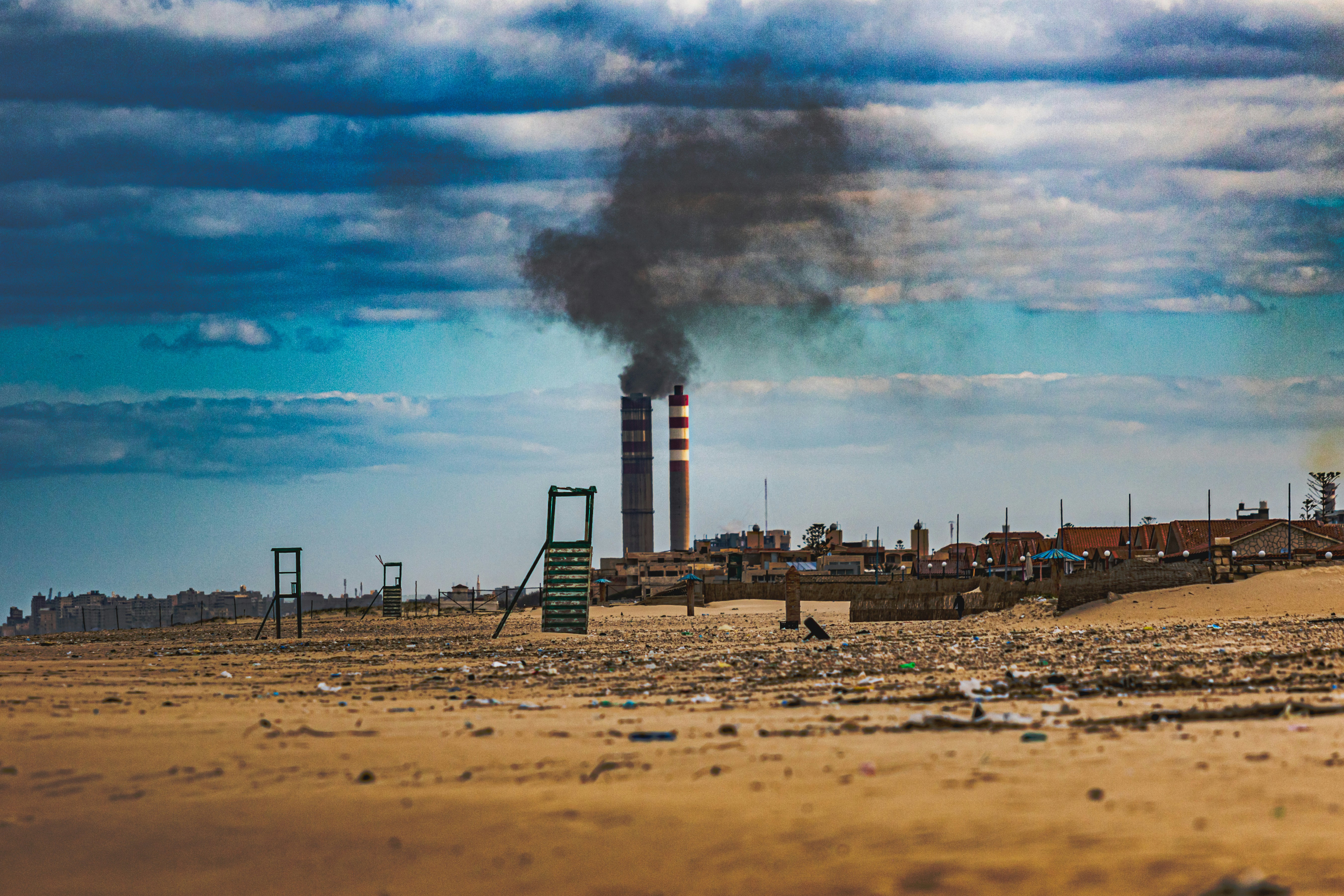
Climate change health impacts are accelerating, merging with pollution to pose profound threats to global populations. The 2025 Lancet Countdown report warns of worsening conditions, with millions dying annually from fossil fuel dependence, rising emissions, and adaptation shortfalls. Across 57 indicators, 13 of 20 health impact metrics show deterioration.
Heat-related deaths have risen 23% since the 1990s, totaling 546,000 per year. In 2024, wildfires caused a record 154,000 deaths from PM2.5 smoke. Dengue transmission suitability increased up to 49% since the 1950s amid warmer climates, per Lancet data.
Fossil fuel air pollution drives 2.52 million outdoor deaths and 2.3 million from household sources yearly. These environmental health risks amplify vulnerabilities, as UN overviews note links to food insecurity and disease.
The SEI 10 new insights for 2025/2026 underscore ocean warming, dengue outbreaks, and heat-reduced labor productivity—key concerns for scientists and planners.
Urban areas, housing over half the world’s population, intensify these climate change health impacts via heat islands and pollution. WHO emphasizes integrating health into urban planning for adaptation and equity.
This series delivers data-driven insights for environmental scientists, urban planners, and public health advocates. Discover pollution mitigation strategies, sustainability measures, and health co-benefits to foster resilience against escalating threats.
Key Health Impacts: Heatwaves, Air Pollution, Wildfires, and Vector-Borne Diseases
Heatwaves exacerbate climate change health impacts through surging heat-related mortality. The 2025 Lancet Countdown documents a 23% rise since the 1990s, reaching 546,000 annual deaths. Extreme heat strains cardiovascular and renal systems, hits vulnerable groups hardest—elderly, children, those with preconditions—and reduces labor productivity, as noted in SEI’s 10 new insights.
Air pollution health effects compound these risks. Fossil fuel-derived PM2.5 causes 2.52 million outdoor deaths and 2.3 million from household sources yearly. The UN climate-health overview links it to respiratory diseases, cancer, and cardiovascular issues. Urban heat islands amplify exposure, demanding urban planning health integration.
Wildfire smoke health threats hit record levels. 2024 saw 154,000 deaths from wildfire PM2.5, per Lancet. Intensifying fires release toxins worsening asthma, heart disease, and premature mortality, especially in fire-prone regions like the western US and Australia. Earth.org’s 2026 update update highlights ongoing air pollution crises.
Vector-borne diseases climate links expand transmission. Dengue suitability grew 49% since the 1950s; SEI reports rising temperatures favor mosquito vectors, driving outbreaks. WHO anticipates 250,000 extra annual deaths from such diseases by 2050 alongside malaria and diarrhea.
These environmental health risks underscore urgency. Heat-related mortality, air pollution health effects, wildfire smoke health, and vector-borne diseases climate shifts demand immediate pollution mitigation strategies and climate adaptation resilience for sustainability public health.
Pathways to Resilience: Integrating Health in Urban Planning and Pollution Mitigation
Urban planning health integration counters climate change health impacts by design. The WHO sourcebook urges embedding health in planning to cut air pollution, urban heat islands, and promote active lifestyles. Cities, home to over half the global population, must prioritize equity and resilience.
The 2025 Lancet Countdown shows progress: 97% of reporting cities completed climate risk assessments. 66% of public health institutions now offer climate-health education, building capacity.
Pollution mitigation strategies yield health co-benefits mitigation. Phasing fossil fuels slashes PM2.5 deaths—2.52 million outdoor annually—via clean energy shifts, per UN overview. Renewables reduce air pollution health effects while cutting emissions.
Harvard experts advocate public health policies like clean cooking and electric transport for dual gains in climate action. These foster sustainability public health, averting heat-related mortality and wildfire smoke health risks.
Climate adaptation resilience includes green infrastructure, cool roofs, and vector control against vector-borne diseases climate expansion. Lancet notes 69% of WHO states advanced health emergency capacities.
For environmental scientists, urban planners, and advocates: implement these to transform cities into health bastions, mitigating environmental health risks and securing futures.
Sources
- https://lancetcountdown.org/2025-report/
- https://www.thelancet.com/journals/lancet/article/PIIS0140-6736(25)01919-1/fulltext
- https://www.sei.org/publications/10-new-insights-climate-science-2025-2026/
- https://earth.org/the-biggest-environmental-problems-of-our-lifetime/
- https://health.oregonstate.edu/research/signature-areas/environmental-impacts-on-human-health
- https://www.who.int/teams/environment-climate-change-and-health/healthy-urban-environments/urban-planning
- https://hsph.harvard.edu/climate-health-c-change/news/improving-climate-action-through-public-health-policy-initiatives/
- https://www.un.org/en/climatechange/science/climate-issues/health
- https://public-health.tamu.edu/degrees/mph/blog/climate-change-and-public-health.html
- https://unu.edu/ehs/article/5-things-watch-climate-and-environment-2026
