


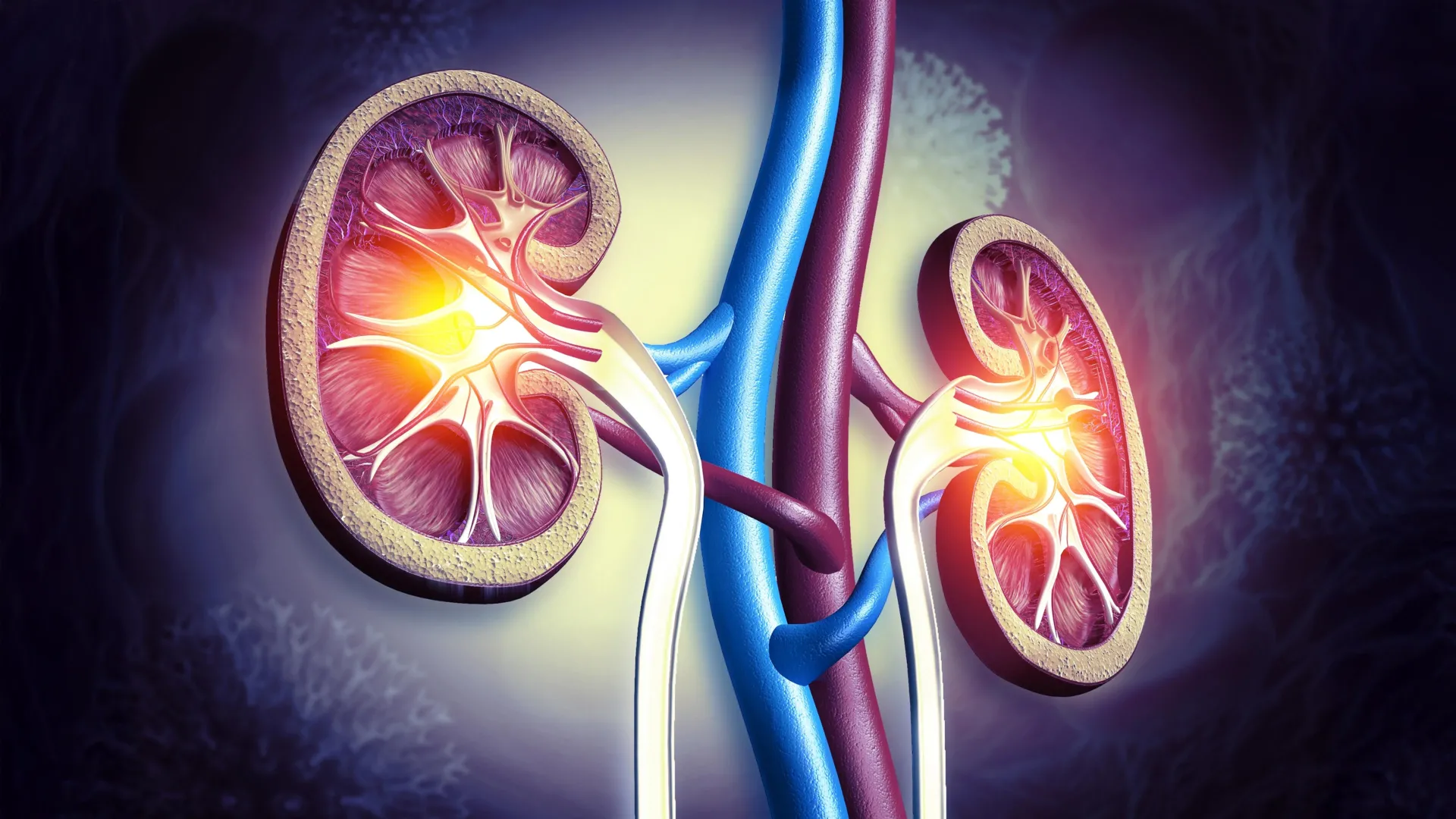
Chronic kidney disease (CKD) affects hundreds of millions of people worldwide and is one of the leading causes of kidney failure. As the disease progresses, many patients eventually require dialysis to survive. Although current treatments can slow the damage, there are still no approved drugs that directly restore kidney function.
Researchers at Tohoku University Graduate School of Medicine have discovered an unexpected possibility related to a drug long used to treat constipation. A clinical trial found that the drug lubiprostone slows the decline in kidney function in patients with moderate CKD, raising hopes for an entirely new approach to treating kidney disease.
“We noticed that constipation is a symptom that often accompanies CKD and decided to further investigate this association,” Abe explains. “Basically, constipation destroys the intestinal flora and worsens kidney function. We worked backwards and hypothesized that treating constipation could improve kidney function.”
The amazing connection between the intestines and kidneys
Doctors are increasingly paying attention to what researchers call the “gut-renal axis,” or the complex relationship between gut bacteria and kidney health. CKD patients often experience constipation and gut microbial imbalances, which can contribute to inflammation and the buildup of harmful compounds in the body.
Previous research suggested that improving gut health may help protect the kidneys, but evidence in humans remained limited. To further explore this idea, researchers began a multicenter Phase II clinical trial known as LUBI-CKD TRIAL at nine medical institutions in Japan.
The study enrolled 150 patients with moderate chronic kidney disease. Participants were given either lubiprostone or a placebo, allowing scientists to compare how the treatments affected kidney function over time.
The results surprised the researchers. Patients receiving 8 μg or 16 μg of lubiprostone had a slower decline in renal function compared to the placebo group. Kidney performance was measured using estimated glomerular filtration rate (eGFR), one of the most widely used indicators of kidney health.
The researchers reported that the protective effect appears to be dose-dependent, meaning higher doses are associated with greater benefit. The 16 μg group showed particularly promising preservation of renal function signals during the 24-week study period.
How laxatives protect the kidneys
The scientists then investigated why the drug seemed to help the kidneys.
Their analysis pointed to changes in the gut microbiome. Lubiprostone increased the production of spermidine, a natural compound associated with healthier mitochondrial activity. Mitochondria are often referred to as the powerhouses of the cell because they produce the energy the cell needs to function properly.
Researchers have found that improving mitochondrial function may help protect kidney tissue from further damage. They also identified changes in bacterial pathways associated with polyamine production, adding further evidence that gut microbes can directly influence kidney health.
Interestingly, this treatment did not significantly reduce certain uremic toxins that scientists had originally hoped would change. Rather, kidney benefits appear to be more closely tied to microbiome remodeling and mitochondrial support. This finding could change the way researchers think about future CKD treatments.
Why researchers are excited about this discovery
The study is attracting attention because lubiprostone is already approved for the treatment of chronic constipation and could potentially be ready for future clinical use faster than developing a completely new drug from scratch.
The researchers also think their discovery could have implications beyond kidney disease. Mitochondrial dysfunction is implicated in many chronic diseases, so scientists are exploring whether a similar gut-targeted approach could eventually help treat other diseases as well.
The research team is now planning a larger phase 3 trial to see if the effects persist in a broader patient population. Scientists are also looking for biomarkers that can predict which patients are most likely to respond to treatment.
Although more research is still needed, this discovery adds momentum to a rapidly growing field of medicine focused on the relationship between gut bacteria, cellular energy production, and chronic disease progression. For people living with CKD, even slightly slowing the decline in kidney function may delay dialysis and improve quality of life.
