


Obese people have worse cardiovascular health than people of normal weight, especially as they age.
Not necessarily. Obese people over the age of 40 appear to have both blood pressure and cholesterol under control to levels comparable to those with a normal body mass index, according to a study published Wednesday in The Lancet. The new study tracked these cardiovascular risk factors in adults of various ages and body mass indexes over 25 years, an era before the arrival of new obesity drugs but also at a time when the use of much cheaper statins and blood pressure drugs expanded.
Since 1990, blood pressure and unhealthy cholesterol levels have declined more rapidly in people aged 40 to 79 who are considered overweight (BMI over 25) or obese (BMI over 30) than in people of the same age with a BMI between 20 and 25, NCD Risk Factor Collaboration researchers reported. By 2024, the 60- and 70-year-olds studied had blood pressure and unhealthy cholesterol levels similar to or lower than those of older adults with a normal BMI.
For adults younger than 40 years, no such convergence was found between different BMI groups, likely reflecting less screening for the two silent risks.
In a commentary published with the study, Yuan Lu of Yale University viewed the convergence of risk factor levels as a victory for preventive cardiology.
“This finding should not be interpreted as evidence that obesity has become benign,” she wrote. “Rather, the results of this study suggest that some of the cardiovascular effects of obesity are increasingly being alleviated by medical management.”

Significant changes in cardiovascular guidelines recommend taking statins as young as 30 years old
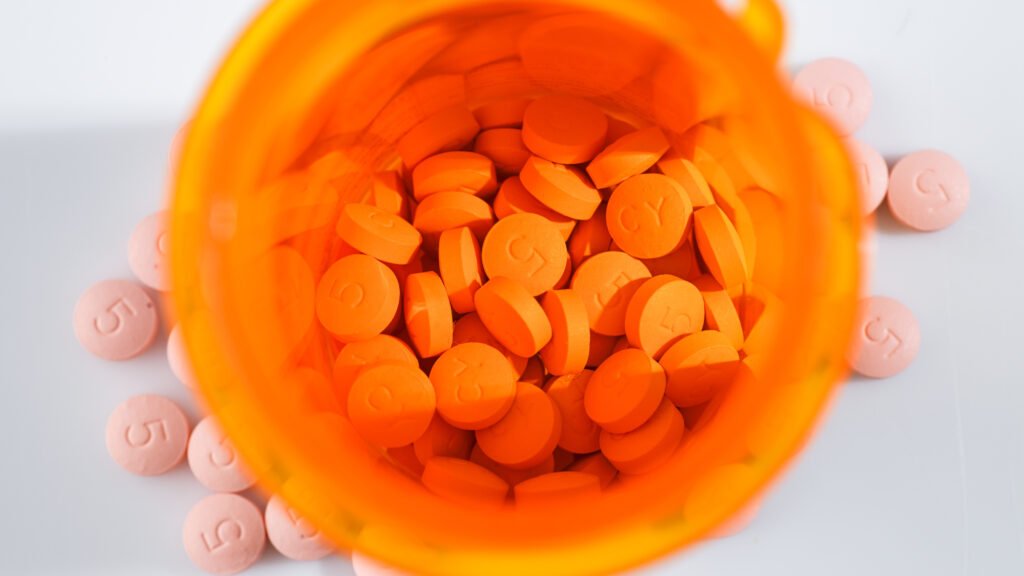
During the study period, antihypertensive drugs and statins to lower harmful cholesterol became more widely used in obese middle-aged people than in non-obese middle-aged people, and these drugs are likely the driving force behind the improved numbers. Blood pressure medications and statins have long been available in generic form and cost about $100 per year in the U.S.
In the oldest age cohort, 70% to 72% of overweight or obese adults were taking antihypertensive drugs or statins, compared with 40% to 48% of adults with normal BMI. The analysis found that regardless of body mass index, people under 40 received fewer cholesterol and blood pressure medications.
“This is good news. It’s important information, but it’s important to be aware of what this study says and doesn’t say,” Dan Jones, past president of the American Heart Association and chair of the organization’s 2025 Blood Pressure Guidelines Committee, told STAT. He was not involved in the new research. “What you really want to know is whether this improves cardiovascular and kidney disease outcomes in these patients.”
This study is observational and cannot establish cause and effect. To reach their conclusion about the reduction in variance, the authors analyzed blood pressure and cholesterol measurements from obese, overweight, and normal BMI people from 110 health datasets. From 1990 to 2024, one million people participated in seven countries: the UK, US, Japan, South Korea, Taiwan, Thailand, and Finland. In Taiwan and Thailand, changes in blood pressure and cholesterol were less pronounced.
The nature of obesity has changed since the end of the 20th century, study co-author Majid Ezzati, professor of global and environmental health at Imperial College London, said at a media briefing on Tuesday.
“This may be partly due to increased use of antihypertensive and lipid-lowering drugs,” he says. “Young people are not realizing these metabolic benefits and are still at high metabolic risk.”
Timothy Anderson, a primary care physician and assistant professor at the University of Pittsburgh Medical Center, told STAT that young adults are missing many opportunities for prevention. Although he was not involved in the Lancet study, he was a member of the writing committee that issued the 2026 recommendations on when to consider statins and other measures for cholesterol management.
“Ideally, when people are young and at low risk, when their blood pressure or cholesterol is just barely high, the focus is on how to help them lose weight through diet, exercise and other lifestyle modifications to actually bring them back into the normal range or avoid the need for treatment in the future,” he said.
Other factors that may play a role include a diet low in salt and fat and high in fruits and vegetables. More physical activity can also have an impact. Reducing smoking is also likely to have had an effect.

Lowering blood pressure reduces risk of dementia, new guidelines affirm
“This paper is a reminder that obesity does not occur in isolation,” co-author Edward Gregg, professor of epidemiology and biostatistics at Imperial College London, told a news conference. “While it’s possible to have healthy levels of risk factors even if you’re obese, that doesn’t mean obesity doesn’t still increase your risk for other outcomes such as diabetes, cancer, kidney disease, and musculoskeletal disorders.”
“Besides non-HDL cholesterol and blood pressure, obese and non-obese patients differ in other things related to cardiovascular disease,” Jones says. “For example, diabetes and inflammation levels, both of which directly impact cardiovascular risk.”
Even if you appear healthy, you may be at high risk.
““There are a lot of very thin people who have very high cholesterol or very high blood pressure from other causes,” Anderson said, citing kidney disease and genetic predisposition.
Asked about obese young people who are not prescribed medication to lower blood pressure or unhealthy cholesterol, the authors expressed concern that they are living longer with obesity than previous generations.
“It is very worrying that the young people in this study are not benefiting to the same extent,” Paul Franks, a professor of genetic epidemiology at Lund University, told a news conference. “What will happen to these people in the coming decades will be concerning.”
While it may seem like you can turn back the clock on high blood pressure and cholesterol levels, some of the damage is irreversible, Franks says. Atherosclerosis, which is associated with high blood pressure and elevated cholesterol, is irreversible.
“Once plaque forms in an artery, it stays there. You can reduce the amount of fat in the plaque, but you can’t remove the plaque itself,” he says. “When you start developing them at a young age, it becomes a big problem.”
Jones, the former AHA director, said what’s important for young people is access, whether it’s finding medical care or healthy food.
“This is a serious problem, especially when it comes to preventing cardiovascular disease and kidney disease. Too many people don’t get evaluated until they’re in their 40s,” he said. “We need to start earlier to more aggressively identify risk factors in young adults.”
Historically, younger patients have preferred to try eating better and exercising more rather than starting statins or blood pressure medications, but that may not be the case now, Anderson said.
“I think that’s changed a lot in the era of GLP-1. Younger patients are much more interested in these drugs than other drugs that treat their health but may not have an outward impact on appearance or body image,” he says.
Obesity drugs are increasingly important in the medical management of metabolic problems, but were not considered in this study given the time frame.
“I would be very cautious in saying that GLP-1 is a panacea for the whole problem of obesity and cardiometabolic disease,” said co-author Franks. “They’re clearly not. They’re part of the solution, but the solution is complex and different for everyone.”
Jones was also cautious, remembering that ACE inhibitors, which treat blood pressure, heart failure, and kidney disease, once received similar hype.
“Some people are now speculating that with the advent of SGLT2 inhibitors and GLP-1 agonists, we might not need to focus as much on LDL cholesterol control or blood pressure control. But that’s speculation. We don’t know yet,” he said. “For the time being, we should assume that controlling these symptoms is still important until someone proves otherwise, regardless of whether we are taking new obesity drugs or not.”
STAT’s chronic health coverage is supported by a grant from. bloomberg philanthropy. our financial supporter It has no role in any of our journalism decisions.
