

Close Menu

    Subscribe to Updates

    Get the latest creative news from FooBar about art, design and business.

    What's Hot

    Prenatal air pollution is associated with ADHD symptoms in school-age children, but not clinical diagnosis

    May 18, 2026

    CDC bans travelers from Ebola-affected countries for 30 days

    May 18, 2026

    Folk religious practices are associated with lower blood pressure increases during stress

    May 18, 2026
    Facebook X (Twitter) Instagram
    Facebook X (Twitter) Instagram
    Health Magazine
    • Home
    • Environmental Health
    • Health Technology
    • Medical Research
    • Mental Health
    • Nutrition Science
    • Pharma
    • Public Health
    • Discover
      • Daily Health Tips
      • Financial Health & Stability
      • Holistic Health & Wellness
      • Mental Health
      • Nutrition & Dietary Trends
      • Professional & Personal Growth
    • Our Mission
    Health Magazine
    Home » News » Butyrate, a metabolite of gut microbiota, reduces chronic temporomandibular joint pain
    Discover

    Butyrate, a metabolite of gut microbiota, reduces chronic temporomandibular joint pain

    healthadminBy healthadminMay 18, 2026No Comments4 Mins Read
    Butyrate, a metabolite of gut microbiota, reduces chronic temporomandibular joint pain
    Share
    Facebook Twitter Reddit Telegram Pinterest Email


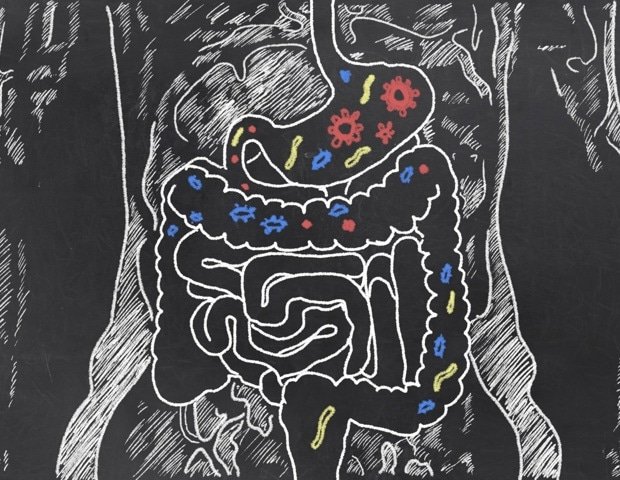
    Temporomandibular joint (TMJ) pain is associated with disruption of gut microbiota metabolites. Researchers have shown that butyrate, administered as tributyrin, reduces pain by restoring histone acetylation and reversing changes in gene regulation in the brain. The research team identified key genes involved in pain regulation, including: No.14 We use a mouse model and single-cell multi-omics sequencing. Targeting the butyrate-related epigenetic pathway may provide a promising non-opioid strategy for the treatment of temporomandibular joint pain.

    Temporomandibular joint disorders are a major cause of chronic orofacial pain and often result from a complex interaction between neurological, inflammatory, and systemic factors. However, current treatment options remain limited due to large gaps in our understanding of the biological mechanisms underlying TMJ pain. Emerging evidence suggests that metabolites of the gut microbiota, particularly short-chain fatty acids such as butyrate, play an important role in regulating inflammation and pain. Understanding these mechanisms may provide new therapeutic approaches for managing chronic pain conditions.

    To understand this, a research team led by Drs. Sufang Liu and Feng Tao of the Texas A&M University School of Dentistry’s Department of Biomedical Sciences conducted a comprehensive study using a mouse model of inflammatory temporomandibular joint pain. The study was published in the International Journal of Oral Science on April 17, 2026. We are investigating the epigenetic and genetic regulatory mechanisms by which butyrate may modulate pain. Researchers found that oral administration of tributyrin, a butyrate-releasing prodrug, significantly reduced temporomandibular joint pain and restored reduced butyrate levels in the gut, blood, and the spinal trigeminal caudal nucleus (Sp5C), a key region of the brain involved in processing trigeminal neuralgia signals.

    To further understand the underlying mechanisms, the research team used single-cell multi-omics sequencing that integrated single nuclear RNA sequencing (snRNA-seq) and chromatin accessibility profiling (snATAC-seq). This approach allowed us to map changes in gene expression and gene activity at single-cell resolution within Sp5C. They identified 12 different cell types, including a variety of neurons and glial cells, and observed that TMJ pain caused widespread changes in gene expression and chromatin access across these cell types, rather than altering cellular composition. Dr. Liu said: “Five important genes showed consistent regulatory changes in temporomandibular joint pain and were restored by tributyrin.”

    Importantly, this study revealed that inflammatory TMJ pain disrupts the regulation of several important genes, including: Nop14, Matk, Idh3b, Ndst2, and tom 6 across different cell subtypes. These genes showed coordinated changes in both transcriptional activity and chromatin accessibility, suggesting that these genes play a central role in pain-related molecular pathways. Remarkably, tributyrin treatment reversed these changes and restored gene regulation to normal levels.

    Further analysis revealed that temporomandibular joint pain is associated with decreased histone acetylation at Sp5C, an epigenetic mechanism associated with transcriptional regulation. At the same time, tributyrin treatment restored histone acetylation levels, suggesting that butyrate exerts its analgesic effects through epigenetic regulation. Under pain conditions, acetylation- and deacetylation-related genes were differentially regulated by cell type and normalized after treatment.

    No.14 It has emerged as an important regulatory authority. Researchers found that temporomandibular joint pain increases chromatin access and chromatin expression. No.14On the other hand, tributyrin treatment reversed these effects. Additionally, knockdown No.14 Sp5C restored histone acetylation and significantly reduced temporomandibular joint pain in mice, supporting the role of Sp5C in epigenetic regulation of pain pathways. Dr. Tao explains: “Nop14 could be targeted to develop new treatments for temporomandibular joint pain.”

    The study also revealed a complex regulatory network involving transcription factors that regulate gene activity through changes in chromatin structure. These findings indicate that temporomandibular joint pain causes coordinated transcriptional and epigenetic changes across specific neurons and that butyrate can counteract these changes.

    This study highlights the important role of gut microbiome-derived butyrate in controlling temporomandibular joint pain through cell type-specific gene regulation and epigenetic mechanisms. This finding suggests that butyrate and its derivatives may provide a promising non-opioid therapeutic strategy for chronic pain management by restoring disrupted molecular pathways in the central nervous system.

    sauce:

    Reference magazines:

    Tao, R. Others. (2026). Single-cell multi-omics sequencing reveals cell-specific transcriptomic and chromatin accessibility profiles in pain modulation produced by the gut microbiome metabolite butyrate. International Journal of Oral Sciences. DOI: 10.1038/s41368-026-00432-9. https://www.nature.com/articles/s41368-026-00432-9


    Source link

    Visited 1 times, 1 visit(s) today
    Share. Facebook Twitter Pinterest LinkedIn Telegram Reddit Email
    Previous ArticleDetecting tumor DNA through blood tests to guide advanced cancer treatment
    Next Article Health experts outline symptoms and risks of onboard hantavirus
    healthadmin

    Related Posts

    One oral pill every night helps control obstructive sleep apnea

    May 18, 2026

    Surgical training program for community health workers reduces maternal mortality risk

    May 18, 2026

    Health experts outline symptoms and risks of onboard hantavirus

    May 18, 2026

    Detecting tumor DNA through blood tests to guide advanced cancer treatment

    May 18, 2026

    Olive waste extract may help reduce fat and improve muscle markers

    May 18, 2026

    Hydrogel breakthrough brings major advances in type 1 diabetes treatment

    May 18, 2026
    Add A Comment
    Leave A Reply Cancel Reply

    Categories

    • Daily Health Tips
    • Discover
    • Environmental Health
    • Exercise & Fitness
    • Featured
    • Featured Videos
    • Financial Health & Stability
    • Fitness
    • Fitness Updates
    • Health
    • Health Technology
    • Healthy Aging
    • Healthy Living
    • Holistic Healing
    • Holistic Health & Wellness
    • Medical Research
    • Medical Research & Insights
    • Mental Health
    • Mental Wellness
    • Natural Remedies
    • New Workouts
    • Nutrition
    • Nutrition & Dietary Trends
    • Nutrition & Superfoods
    • Nutrition Science
    • Pharma
    • Preventive Healthcare
    • Professional & Personal Growth
    • Public Health
    • Public Health & Awareness
    • Selected
    • Sleep & Recovery
    • Top Programs
    • Weight Management
    • Workouts
    Popular Posts
    • 1773313737_bacteria_-_Sebastian_Kaulitzki_46826fb7971649bfaca04a9b4cef3309-620x480.jpgHow Sino Biological ProPure™ redefines ultra-low… March 12, 2026
    • the-pros-and-cons-of-paleo-dietsThe Pros and Cons of Paleo Diets: What Science Really Says April 16, 2025
    • pexels-david-bartus-442116The food industry needs to act now to cut greenhouse… January 2, 2022
    • 1773729862_TagImage-3347-458389964760995353448-620x480.jpgDespite safety concerns, parents underestimate the… March 17, 2026
    • 1773209206_futuristic_techno_design_on_background_of_supercomputer_data_center_-_Image_-_Timofeev_Vladimir_M1_4.jpegMulti-agent AI systems outperform single models… March 11, 2026
    • Improve Mental Health10 Science-Backed Practices to Improve Mental Health… March 11, 2025

    Demo
    Stay In Touch
    • Facebook
    • Twitter
    • Pinterest
    • Instagram
    • YouTube
    • Vimeo
    Don't Miss

    Prenatal air pollution is associated with ADHD symptoms in school-age children, but not clinical diagnosis

    By healthadminMay 18, 2026

    A study of children in Tarragona, Spain, found that higher prenatal exposure to air pollution…

    CDC bans travelers from Ebola-affected countries for 30 days

    May 18, 2026

    Folk religious practices are associated with lower blood pressure increases during stress

    May 18, 2026

    AstraZeneca also uses approved sweetener for Fasenra, granted important FDA nod in hypertension

    May 18, 2026

    Subscribe to Updates

    Get the latest creative news from SmartMag about art & design.

    HealthxMagazine
    HealthxMagazine

    At HealthX Magazine, we are dedicated to empowering entrepreneurs, doctors, chiropractors, healthcare professionals, personal trainers, executives, thought leaders, and anyone striving for optimal health.

    Our Picks

    AstraZeneca also uses approved sweetener for Fasenra, granted important FDA nod in hypertension

    May 18, 2026

    In endometrial cancer, Merck and Cologne score again on sac-TMT

    May 18, 2026

    Schrödinger’s Clock: Time can move fast and slow at the same time

    May 18, 2026
    New Comments
      Facebook X (Twitter) Instagram Pinterest
      • Home
      • Privacy Policy
      • Our Mission
      © 2026 ThemeSphere. Designed by ThemeSphere.

      Type above and press Enter to search. Press Esc to cancel.