

Close Menu

    Subscribe to Updates

    Get the latest creative news from FooBar about art, design and business.

    What's Hot

    Estrogen levels may influence the brain’s response to psychedelics, new animal study shows

    May 15, 2026

    Study: PSA test likely reduces risk of death from prostate cancer

    May 15, 2026

    Musicians show a small but steady advantage in sustained attention from childhood to adulthood

    May 14, 2026
    Facebook X (Twitter) Instagram
    Facebook X (Twitter) Instagram
    Health Magazine
    • Home
    • Environmental Health
    • Health Technology
    • Medical Research
    • Mental Health
    • Nutrition Science
    • Pharma
    • Public Health
    • Discover
      • Daily Health Tips
      • Financial Health & Stability
      • Holistic Health & Wellness
      • Mental Health
      • Nutrition & Dietary Trends
      • Professional & Personal Growth
    • Our Mission
    Health Magazine
    Home » News » Brain age determined by sleep patterns may indicate future dementia risk
    Discover

    Brain age determined by sleep patterns may indicate future dementia risk

    healthadminBy healthadminMarch 20, 2026No Comments3 Mins Read
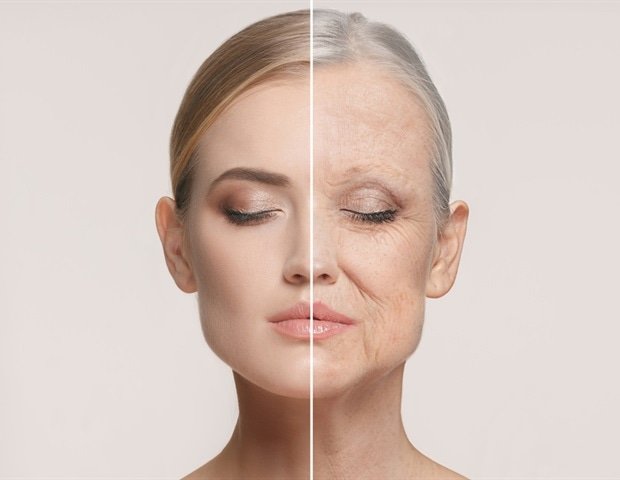
    Brain age determined by sleep patterns may indicate future dementia risk
    Share
    Facebook Twitter Reddit Telegram Pinterest Email


    Machine learning analysis of brain waves recorded during sleep could help identify people at high risk of developing dementia, according to a study led by the University of California, San Francisco and Beth Israel Deaconess Medical Center in Boston.

    This study found that when a person’s “brain age”, estimated from sleep signals using brain waves, exceeds their chronological age, the risk of dementia increases.

    For every 10 years of increase in brain age relative to chronological age, dementia risk increased by nearly 40%. Conversely, if your brain age is lower than your chronological age, your risk of dementia will be lower.

    This study JAMA network open March 19th.

    The researchers used a machine learning model that integrated 13 microstructural features of brain waves from EEG recordings. Data came from approximately 7,000 participants enrolled in five studies.

    The participants ranged in age from 40 to 94 years old, and none had dementia at the start of the study. They were followed for 3.5 to 17 years, during which time approximately 1,000 participants developed the disorder.

    Researchers have discovered that analyzing the subtle patterns of brain waves during sleep can provide insights that traditional sleep metrics often miss. Previous pooled analyzes across several participant cohorts found no significant associations between dementia risk and traditional sleep measures, such as time spent in different sleep stages or overall sleep efficiency.

    “Broad sleep metrics do not fully capture the complex and multidimensional nature of sleep physiology,” said senior author Yue Leng, MBBS, PhD, associate professor of psychiatry at UCSF School of Medicine.

    Brainwave patterns associated with cognitive health

    Several sleep EEG patterns that contribute to brain age are known to play a role in brain health and memory. These include delta waves, which form rolling wave patterns associated with deep sleep, and sleep spindles, short, fast-frequency brain activity associated with memory consolidation.

    One of the most notable findings was that sudden large spikes seen in brain waves, known as kurtosis, were associated with a lower risk of dementia.

    Researchers also found that the relationship between “older” brain age and dementia risk remained significant even after accounting for factors such as education, smoking, BMI, physical activity, and other health conditions and genetic risk factors.

    Possibility of early detection

    Because sleep EEG signals can be collected non-invasively, brain age could eventually be used to detect dementia risk in non-clinical settings, including through the use of wearable technology, the researchers said.

    “Brain age is calculated from sleep brain waves,” Ren says. “We know that brain activity during sleep is a measure of the extent of brain aging.”

    The findings also raise the possibility that improving sleep health may impact brain aging. Leng noted that earlier studies found that treatment for sleep disorders can alter sleep-related brain wave patterns.

    “Better physical care, such as lowering body mass index or increasing exercise to reduce the likelihood of apnea, may have an impact,” said lead author Dr. Haoki Sun, assistant professor of neurology at Beth Israel Deaconess Medical Center, who developed the model with two co-authors*. “But there is no magic bullet for improving brain health.”

    sauce:

    University of California, San Francisco


    Source link

    Visited 20 times, 1 visit(s) today
    Share. Facebook Twitter Pinterest LinkedIn Telegram Reddit Email
    Previous ArticleVerily loans $300 million to advance AI roadmap separately from Alphabet
    Next Article Balancing sitting and movement may lower risk of pregnancy-induced hypertension
    healthadmin

    Related Posts

    Perioperative medicine emerges as a system-wide strategy to achieve better surgical outcomes

    May 14, 2026

    Brain immune cells found to regulate anxiety and grooming behavior

    May 14, 2026

    Clinical trial questions long-held beliefs about brittle bone disease treatment

    May 14, 2026

    Study traces heart disease risk in adults to the womb

    May 14, 2026

    Identify methodological gaps that hinder treatment of chronic diseases caused by infectious diseases

    May 14, 2026

    Thyroid hormone profile provides important prognostic clues for patients facing liver failure

    May 14, 2026
    Add A Comment

    Comments are closed.

    Categories

    • Daily Health Tips
    • Discover
    • Environmental Health
    • Exercise & Fitness
    • Featured
    • Featured Videos
    • Financial Health & Stability
    • Fitness
    • Fitness Updates
    • Health
    • Health Technology
    • Healthy Aging
    • Healthy Living
    • Holistic Healing
    • Holistic Health & Wellness
    • Medical Research
    • Medical Research & Insights
    • Mental Health
    • Mental Wellness
    • Natural Remedies
    • New Workouts
    • Nutrition
    • Nutrition & Dietary Trends
    • Nutrition & Superfoods
    • Nutrition Science
    • Pharma
    • Preventive Healthcare
    • Professional & Personal Growth
    • Public Health
    • Public Health & Awareness
    • Selected
    • Sleep & Recovery
    • Top Programs
    • Weight Management
    • Workouts
    Popular Posts
    • 1773313737_bacteria_-_Sebastian_Kaulitzki_46826fb7971649bfaca04a9b4cef3309-620x480.jpgHow Sino Biological ProPure™ redefines ultra-low… March 12, 2026
    • the-pros-and-cons-of-paleo-dietsThe Pros and Cons of Paleo Diets: What Science Really Says April 16, 2025
    • pexels-david-bartus-442116The food industry needs to act now to cut greenhouse… January 2, 2022
    • 1773729862_TagImage-3347-458389964760995353448-620x480.jpgDespite safety concerns, parents underestimate the… March 17, 2026
    • Improve Mental Health10 Science-Backed Practices to Improve Mental Health… March 11, 2025
    • 1773209206_futuristic_techno_design_on_background_of_supercomputer_data_center_-_Image_-_Timofeev_Vladimir_M1_4.jpegMulti-agent AI systems outperform single models… March 11, 2026

    Demo
    Stay In Touch
    • Facebook
    • Twitter
    • Pinterest
    • Instagram
    • YouTube
    • Vimeo
    Don't Miss

    Estrogen levels may influence the brain’s response to psychedelics, new animal study shows

    By healthadminMay 15, 2026

    Psilocybin induces different behavioral responses depending on the age of the rat and the reproductive…

    Study: PSA test likely reduces risk of death from prostate cancer

    May 15, 2026

    Musicians show a small but steady advantage in sustained attention from childhood to adulthood

    May 14, 2026

    Supreme Court upholds access to mifepristone while litigation continues

    May 14, 2026

    Subscribe to Updates

    Get the latest creative news from SmartMag about art & design.

    HealthxMagazine
    HealthxMagazine

    At HealthX Magazine, we are dedicated to empowering entrepreneurs, doctors, chiropractors, healthcare professionals, personal trainers, executives, thought leaders, and anyone striving for optimal health.

    Our Picks

    Supreme Court upholds access to mifepristone while litigation continues

    May 14, 2026

    Making instant judgments about dating apps can hurt your sense of worth as a partner.

    May 14, 2026

    Eli Lilly contributes $50 million to UNICEF’s childhood health initiatives

    May 14, 2026
    New Comments
      Facebook X (Twitter) Instagram Pinterest
      • Home
      • Privacy Policy
      • Our Mission
      © 2026 ThemeSphere. Designed by ThemeSphere.

      Type above and press Enter to search. Press Esc to cancel.