


Despite the decline in acute cases, persistent post-COVID-19 symptoms continue to affect millions of people around the world. Long-term coronavirus (LC) can cause fatigue, headaches, sleep disturbances, difficulty breathing, and cognitive problems commonly referred to as “brain fog.” Despite the increasing burden of these lingering symptoms, clinicians still lack reliable biological markers that can objectively assess disease severity, predict prognosis, and guide patient management. This challenge is particularly important because many LC symptoms are subjective and difficult to quantify using traditional medical tests.
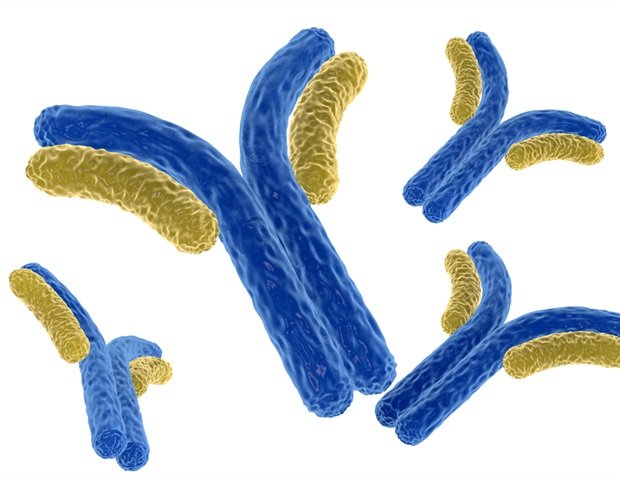
To address this, a research team led by Professor Fumio Otsuka from the Division of Comprehensive Medicine at Okayama University Graduate School of Medicine, along with Assistant Professor Marina Kawaguchi and Dr. Yasue Sakurada from the Division of Comprehensive Medicine at Okayama University Graduate School of Medicine, investigated whether blood levels of antibodies against the spike (S) and nucleocapsid (N) proteins of SARS-CoV-2 could provide clinically meaningful information to understand LC in the omicron era. They analyzed data from 275 patients diagnosed with omicron mutation-related LC who attended a post-COVID-19 specialized outpatient clinic between July 2023 and November 2024. Their research results were published in volume 83 of the academic journal. British Biomedical Journal April 22, 2026.
The researchers measured antibody levels and compared them with vaccination history, severity of acute infection, symptom profile, laboratory findings, and quality of life assessments. Their analysis revealed that S antibody levels were strongly associated with the number of vaccinations, whereas N antibody levels reflected infection-related factors such as disease severity and time since infection. In unvaccinated patients, N antibody levels steadily declined over time, decreasing by approximately 0.34% per day after infection. The study results also showed that women tended to have higher N antibody levels than men.
Perhaps the most clinically important observation concerned cognitive symptoms. Patients experiencing memory problems, a common symptom of brain fog, had significantly lower S antibody levels than those without memory problems. Higher S antibody levels were also associated with better self-reported quality of life. Although antibody measurements alone are not sufficient to fully predict cognitive symptoms, this result suggests that decreased S antibody levels may indicate an increased risk of neurological complications in LC.
“Objective biomarkers for LC remain limited, making patient evaluation particularly difficult. In the treatment of post-COVID-19 symptoms, viral antibody titers may be useful in predicting the history of COVID-19 infection at the omicron stage, and may be useful in prognosing post-COVID-19 symptoms that are difficult to judge objectively.” says Professor Otsuka.
This study also demonstrated that N antibody levels were positively correlated with lymphocyte counts and immunoglobulin levels, further supporting the role of N antibodies as an indicator of immune activation following infection. These insights may help clinicians more effectively interpret antibody test results in patients with incomplete or inadequately documented acute infection histories.
“Our findings suggest that antibody profiles may provide useful information about infection history, immune response, and symptom patterns, especially in patients experiencing cognitive impairment.In the future, we would like to combine viral antibody titers. Leverage clinical symptoms and other laboratory data to improve diagnosis and treatment strategies for LC. ” says Professor Otsuka.
Overall, this finding indicates that SARS-CoV-2 antibody profiles may provide a practical tool for understanding Omicron-era LC. By providing objective information about previous infections, immune responses, and cognitive symptoms, antibody tests could contribute to more personalized care for patients living with persistent symptoms post-COVID-19 and support future efforts to develop evidence-based management strategies.
sauce:
Reference magazines:
Shinya Kawaguchi Others. (2026). Clinical utility of SARS-CoV-2 antibody titers in the management of COVID-19 patients with long-term infections with Omicron variants. British Biomedical Journal. DOI: 10.3389/bjbs.2026.16255. https://www.frontierspartnerships.org/journals/british-journal-of-biomedical-science/articles/10.3389/bjbs.2026.16255/abstract
