


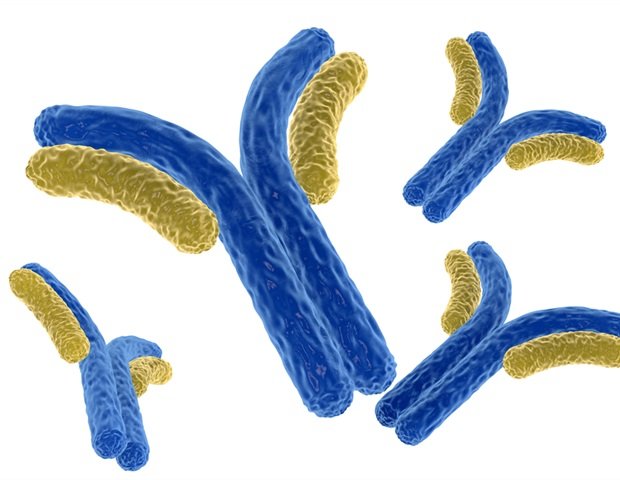
In 2025, the European Medicines Agency approved two antibodies for Alzheimer’s disease: lecanemab (LeqembiTM, manufactured by Biogen) and donanemab (KisunlaTM, manufactured by Eli Lilly and Company). Both of these are based on immunotherapy (the use of molecules of the immune system to treat disease). These lab-derived antibodies work against Aβ peptide, a protein fragment that accumulates in the brains of Alzheimer’s patients. The fact that the immune system eliminates this protein helps slow the cognitive decline characteristic of this disease.
These two antibodies are the first disease-modifying therapies for Alzheimer’s disease. They can stop this devastating condition and in some cases even partially reverse it. However, a frequent and characteristic side effect of these drugs is cerebral hemorrhage, which can be detected by magnetic resonance. Because the brain lacks the molecules and cells that make up the systemic immune system, antibody entry into the brain is undesirable in healthy conditions, even though antibodies are required for these treatments to be effective. The incidence of bleeding in clinical trials ranged from 10 to 27% of treated patients, and was particularly high in patients carrying certain apolipoprotein alleles. APOEε4 Allele. In Europe, these treatments can only be given to people who either have one copy or don’t have one. APOEε4 Alleles, genetic variations associated with higher risk of Alzheimer’s disease.
UAB’s Protein Design and Immunotherapy Group, chaired by Professor Sandra Villegas in the Department of Biochemistry and Molecular Biology, has long worked on the hypothesis that full-length antibodies may be unsafe for treating neurodegenerative diseases because they recruit immune system cells from all over the body to the brain. This unwanted recruitment can disrupt the blood-brain barrier and cause hemorrhage.
That’s why we designed a monocatenary antibody fragment (scFv-h3D6) that targets the Aβ peptide, which lacks the region that recruits these immune cells, and broadly demonstrated its efficacy at molecular, cellular, and cognitive scales in mice. ”
Professor Sandra Villegas, UAB Department of Biochemistry and Molecular Biology
Now, in collaboration with UAB researcher Silvia Lope Piedrafita, Ph.D., an expert in magnetic resonance, and Mar Hernández Guillamón, Ph.D., a researcher at the Val de Hebron Institute in the APP23 mouse model, the group used magnetic resonance imaging to visualize bleeding caused by the full-length antibody bapineuzumab, from which the developed fragment was derived, and compared it to the effect of administering the antibody alone. piece. This result specifically shows that administration of the antibody fragment does not cause bleeding and maintains therapeutic efficacy.
Professor Villegas therefore concludes: “This study shows that antibody fragments can be a safer alternative to whole antibodies, opening the way to new research into effective and safe treatments for Alzheimer’s disease.”
sauce:
Autonomous University of Barcelona (UAB)
Reference magazines:
Lope Piedrafita, S. others. (2025). ScFv-h3D6 prevents bapineuzumab-induced bleeding events in the APP23 mouse model of Alzheimer’s disease. biomolecule. DOI: 10.3390/biom15111602. https://www.mdpi.com/2218-273X/15/11/1602
