


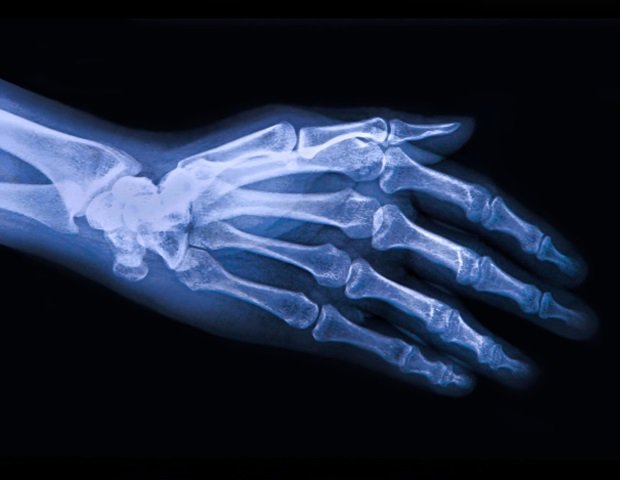
A study published online in an open access journal found that certain imbalances and disruptions in the oral microbiome are associated with symptomatic hand arthritis. RMD open.
The findings suggest that the oral microbial environment may influence the disease process of hand arthritis, which is associated with pain, stiffness, and decreased grip strength and can significantly impair quality of life. The oral microbiome is involved in systemic inflammation and interacts closely with the gut microbiome, which is highly associated with symptomatic hand arthritis.
To assess the role of the oral microbiome, saliva samples from 52 individuals with symptomatic hand arthritis and 712 asymptomatic individuals recruited from a community-based osteoarthritis study were analyzed using ribosomal RNA gene sequencing.
Compared with samples taken from participants without hand arthritis, samples taken from participants with symptomatic hand arthritis showed significantly reduced oral microbial abundance and altered composition.
Specifically, the abundance of Trichococcus bacteria was significantly higher in symptomatic hand arthritis samples and positively correlated with the severity of hand arthritis symptoms. Trichococcus abundance in the oral microbiome was also positively correlated with the gut bacterial tyrosine metabolic pathway, a metabolic pathway previously implicated in hand arthritis.
Samples from participants with symptomatic hand arthritis also had reduced correlations of the oral-gut microbiota compared to controls, suggesting an imbalance between these two microbial communities.
Because this is an observational study, it cannot prove cause and effect. The authors highlight several limitations, most importantly that the oral microbiome was profiled using 16S rRNA gene sequencing, which provides taxonomic and compositional insights but lacks the resolution to identify specific bacterial species or strains, and the cross-sectional design means that it is not possible to establish temporal or causal relationships between changes in the oral microbiome and symptomatic hand arthritis.
Symptomatic hand arthritis was diagnosed at the hand level rather than at individual joints, which may have resulted in misclassification, and the small sample size may have limited statistical power and prevented the detection of additional species that are more loosely associated with etiology. Finally, although some known confounders were adjusted for, confounding by unmeasured variables cannot be excluded.
Nevertheless, the authors conclude that oral microbiome imbalance and disruption of the oral-gut microbiome network are associated with prevalent symptomatic hand arthritis, suggesting a potential role for the oral-gut microbiome axis in the development of SHOA.
“This study provides the first evidence linking oral microbiome changes to symptomatic hand arthritis, highlights a correlation with gut microbiome imbalance, and suggests a potential role for the oral-gut microbiome axis in the pathogenesis of symptomatic hand arthritis,” the researchers said.
Larger studies are needed to confirm these associations, and longitudinal cohort studies are needed to determine whether these microbial changes precede the development of symptomatic hand arthritis or are a consequence of the disease.
sauce:
Reference magazines:
Lee, J. Others. (2026). Oral microbiome imbalance and disruption of the oral-gut microbial network in hand osteoarthritis: data from the Xiangya osteoarthritis study. RMD open. DOI: 10.1136/rmdopen-2026-006962. https://rmdopen.bmj.com/content/12/3/e006962
