


The relationship between health systems and health plans has historically been fraught with tension, with each side seeking to outdo the other. What is the latest secret weapon deployed by both sides? artificial intelligence.
As the HLTH conclusions suggest, payers may even have the upper hand in what some are calling an “AI arms race.”
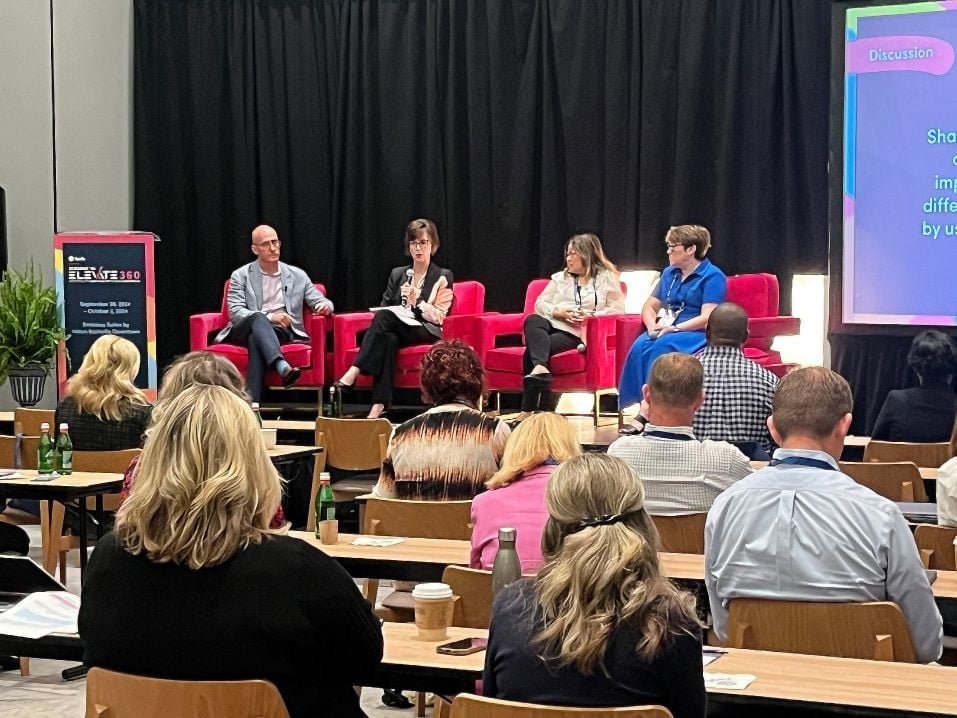
However, a recent panel discussion at Xsolis’ annual user conference highlighted how health systems and health plans are using data-driven analytics to improve collaboration and collaboration.
“Speaking the Same Language: How Objective Analytics Unize Providers and Health Plans” featured leaders from OSF HealthCare, Humana, and AnMed Health. They shared how their organization overcame initial skepticism to adopt a shared analytics platform that provides an objective and transparent view of medical necessity decisions.
For OSF HealthCare, a 16-hospital system in Illinois, the motivation to try a new approach was clear. Hoa Cooper, vice president of case management, said OSF is struggling with high observation rates, clinical refusals and capacity challenges. The organization wanted to streamline utilization management and reduce the cost of care, but lacked the staff to handle the workload.
“I chose Xsolis because their AI platform and payer relationships and analytics were exactly what we needed,” said Cooper. “It took away a lot of the tension” between OSF and Humana.
Suzanne Wilson, assistant vice president for population health at UnMed Health South Carolina, echoed similar sentiments. AnMed is the only health system in the county, with more than 600 beds and 3,600 employees. While the organization was doing well with value-based contracting, Wilson was hearing a very different story from the emergency medicine side about the challenges with observation and abrasion.
“Those two opportunities were like night and day,” Wilson said. “How can we approach that collaboration and create a win-win situation?”
Eliminate guesswork and instill confidence and trust
By sharing a common view of medical needs, UnMed and Humana were able to rebuild trust and improve their working relationship. The Care Level Scoring system takes the guesswork out of determining inpatient and observation status, allowing providers to make calls with more confidence.
“We’ve pretty much eliminated observation and inpatient speculation from this graph,” Wilson said. “They can rely on that (level of care) score.”
For Humana, this analysis also helped address a common pain point: a lack of clinical information to make timely utilization management decisions. Dr. Kathryn Luken, vice president of clinical utilization management at Humana, estimates that most delays and denials are due to missing data.
“This scoring helped us know exactly what to discuss,” Luken said. “You’re letting doctors do what doctors are supposed to do: take care of people.”
The committee agreed that this technology is just one piece of the puzzle. Driving adoption and trust required key stakeholder engagement, both internally and among provider and payer partners.
For example, OSF HealthCare has invested heavily in educating physicians on how to use Level of Care scores to support decision-making.
“Accountability and clinical decision-making still have to happen,” Professor Cooper said. “This is a tool. You are an expert.”
Looking ahead, panelists believe there is significant opportunity to expand collaborative models beyond inpatient settings.
The next frontier of AI-powered collaboration
Xsolis’ predictive analytics for post-acute care placement is already benefiting AnMed, helping avoid overutilizing one facility over the other when patients are discharged to skilled nursing and rehabilitation facilities and other facilities. Wilson said the key is to treat the right patient in the right environment at the right time.
“The opportunities right now are huge and exciting,” she said. “How can we leverage this technology to solve some of the other challenges that we have and really be able to collaborate?”
As health systems and plans move toward value-based care, panelists agreed that data-driven collaboration is essential. By collaborating on shared data points, we can not only improve efficiency and reduce friction, but also rebuild trust and find new ways to collaborate.
“It’s important to right-size and accurately reflect patient acuity, rather than over-documenting or under-documenting,” Wilson said. “That’s what payers want too. We all want to make sure we’re taking care of our communities.”
