


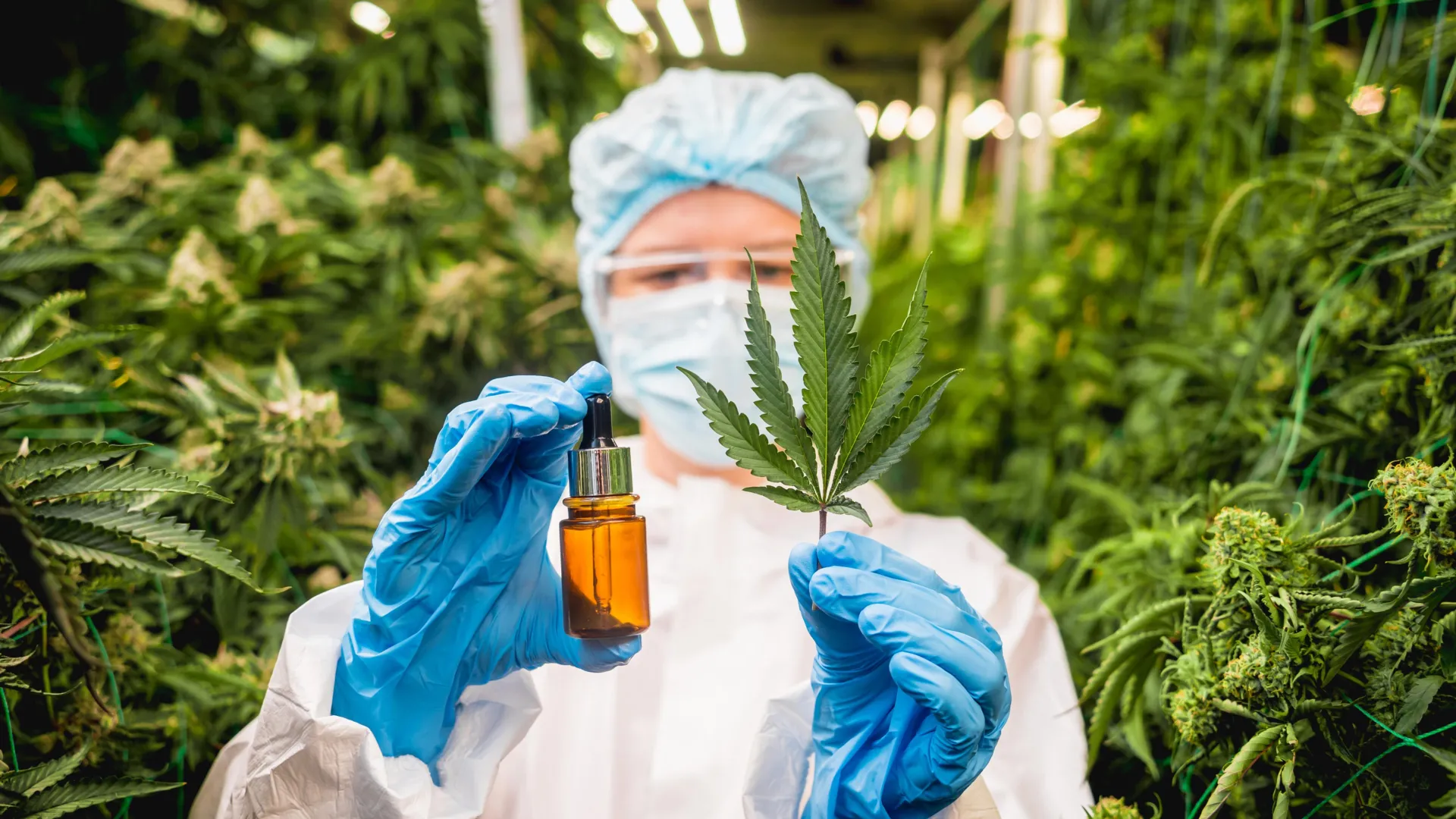
Scientists have identified two non-intoxicating compounds derived from cannabis that may help reduce liver fat while improving metabolic health. The compounds CBD and CBG appear to support the liver in two important ways. These increase the organ’s ability to store backup energy and restore the activity of cellular systems that break down harmful waste products. Combining these effects may provide new plant-based strategies to treat the most common chronic liver diseases worldwide.
The study was led by Professor Joseph (Yossi) Tam, Dr. Riad Hinden, PhD student Radka Kočvarova, and Tam’s team at the Department of Pharmacy, Faculty of Medicine, Hebrew University of Jerusalem. Their research suggests that cannabidiol (CBD) and cannabigerol (CBG), which do not cause a high, may improve liver health by changing the way liver cells process energy and remove unwanted substances.
Fatty liver disease affects one third of adults
Metabolic dysfunction associated fatty liver disease (MASLD) is currently the most prevalent chronic liver disease in the world. It affects approximately one-third of adults and is strongly associated with obesity, hypertension, and insulin resistance.
Doctors usually recommend lifestyle changes, such as improving diet and increasing physical activity, to manage the disease. However, maintaining these habits over the long term can be difficult. At the same time, there are few approved treatments. For this reason, researchers are actively searching for new treatment options.
How CBD and CBG improve the liver energy system
Using advanced scientific tools, researchers discovered that CBD and CBG do more than just reduce fat storage. These compounds are thought to improve the internal functioning of liver cells through a process called “metabolic remodeling.”
One of the key discoveries concerned energy storage in the liver. These compounds increased levels of phosphocreatine, a molecule that acts like an emergency energy source. This backup energy source helps liver cells maintain normal function even when exposed to metabolic stress, such as a high-fat diet. Scientists note that this finding is particularly noteworthy because the liver normally relies less on this system.
Restores the liver’s cell purification process
This study also showed that CBD and CBG reactivate cathepsins. These enzymes function within lysosomes, which act as recycling centers within cells. Its role is to break down unwanted substances so that they can be removed.
When cathepsin activity is restored, liver cells have a better ability to process and remove harmful fats and waste products. The researchers observed a significant reduction in damaging lipid molecules such as triglycerides and ceramides. Ceramides are particularly harmful because they are associated with insulin resistance and liver inflammation.
Various metabolic benefits of CBD and CBG
Although both compounds had beneficial effects, the study found that they affected metabolic health in slightly different ways. Both CBD and CBG helped stabilize blood sugar levels and improved the way the body processes glucose.
However, CBG produced stronger improvements in several metabolic markers. It significantly reduced body fat mass and increased insulin sensitivity compared to CBD. This compound also showed a strong ability to lower levels of total cholesterol and “bad” LDL cholesterol.
“Our findings identify a new mechanism by which CBD and CBG enhance hepatic energy and lysosomal function,” said Professor Joseph Tam. “This dual metabolic remodeling contributes to improved hepatic lipid handling, highlighting these compounds as promising therapeutic agents for MASLD.”
Potential new plant-based treatments
Although the results are promising, the researchers stress that further research is needed to determine how these findings translate to human treatment. Further research will help reveal whether these compounds can ultimately be developed as treatments.
Still, this study highlights a new direction in metabolic disease research. Plant-derived compounds such as CBD and CBG may open new possibilities for treating fatty liver disease and related metabolic disorders by targeting the way cells store energy and remove waste.
