


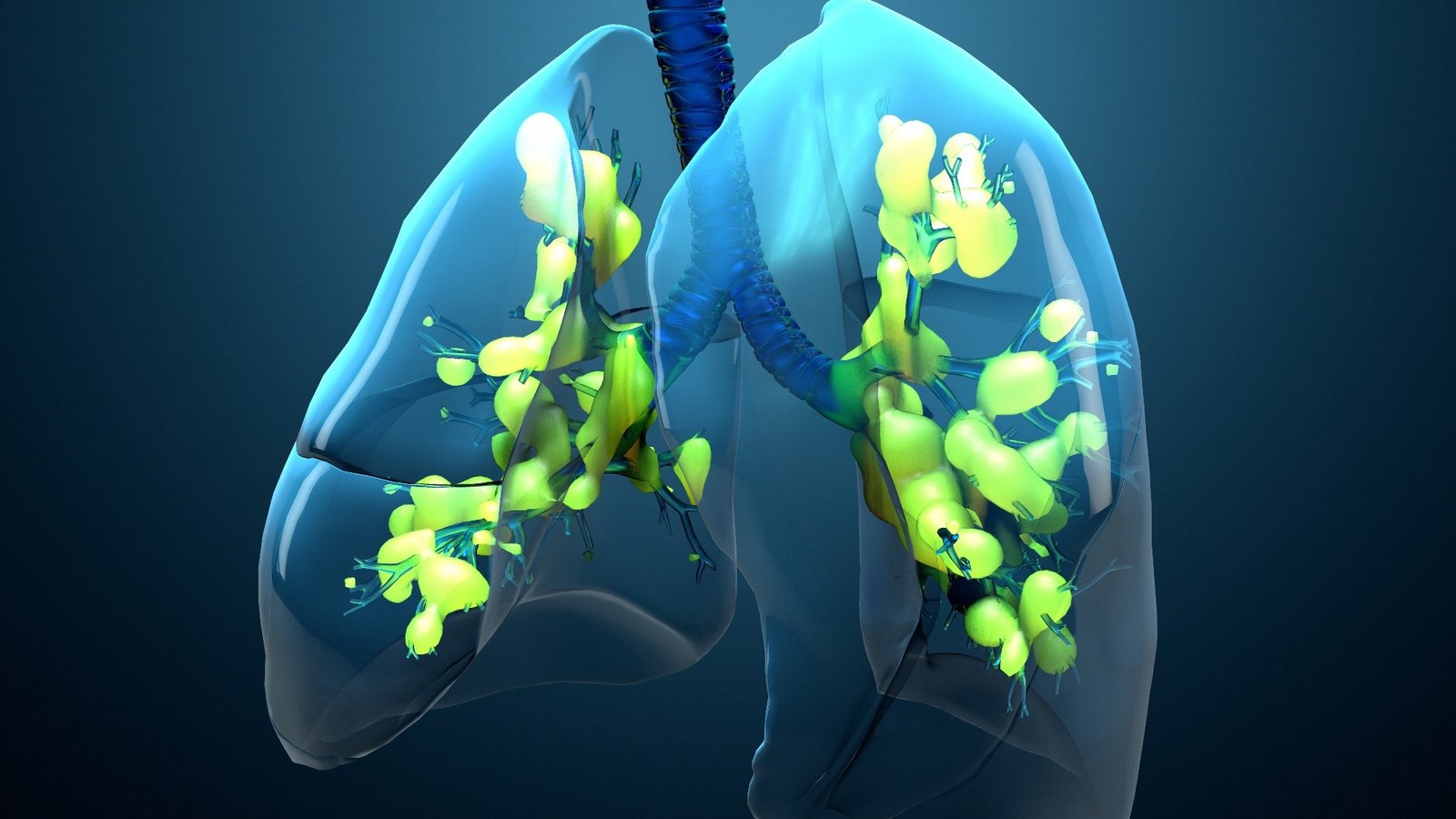
Four years after admission to the ICU, the mortality rate for mechanically ventilated ARDS patients with COVID-19 remains extremely high, and many survivors continue to struggle with fatigue, insomnia, functional decline, and decreased quality of life.
Study: Four-year mortality and quality of life after ICU treatment for COVID 19-related acute respiratory distress syndrome. Image credit: Design_Cells / Shutterstock
In a recent study published in the journal scientific reportResearchers assessed health-related quality of life (HRQoL) and 4-year mortality in patients with COVID-19-associated acute respiratory distress syndrome (ARDS) treated in intensive care units (ICUs).
Background and rationale
A large cohort of COVID-19 survivors with severe acute illness are facing long-term sequelae. During the peak wave of the COVID-19 pandemic, up to 15% of patients developed respiratory failure and required advanced respiratory support, including invasive or non-invasive ventilation and high-flow nasal oxygen therapy. Of note, despite advances in acute management, ICU mortality has increased significantly.
Several COVID-19 tracking studies have consistently reported persistent fatigue, dyspnea, and cognitive complaints among survivors. It remains unclear whether these impairments worsen, plateau, or improve over time. Moreover, data are particularly lacking in Central and Eastern Europe, as access to healthcare, economic safety nets, and rehabilitation capacities differ from those in Western countries.
Research design and methods
In this study, researchers evaluated 4-year mortality and HRQoL in ICU-treated COVID-19 ARDS patients in a single-center cohort conducted at a temporary hospital in Poland. The subjects were adults admitted to a temporary hospital between December 2020 and July 2021 with severe acute respiratory syndrome coronavirus 2 (SARS-CoV-2) infection and ARDS requiring invasive mechanical ventilation.
Baseline clinical variables included demographics, comorbidities, vital signs, respiratory parameters, and laboratory markers. Additionally, length of ICU stay, interval between symptom onset and intubation, and Acute Physiology and Chronic Health Evaluation (APACHE) II score were also included. Primary endpoints were assessed 30 days and 4 years after ICU admission. Four years after ICU admission, subjects were interviewed by telephone, and vital status was also determined from electronic or administrative records. The study was a retrospective/prospective (bidirectional) single-center cohort design, with follow-up interviews conducted from April to August 2025.
The study’s primary outcomes included all-cause mortality at 30 days and 4 years after ICU admission. Secondary outcomes were financial burden, sleep disturbance, cognitive complaints, time to return to work, and indirect costs. In secondary analyses, late mortality (between 30 days and 4 years after ICU admission) was assessed in 30-day survivors, and long-term outcomes, including functional status, HRQoL, and dyspnea, were assessed in 4-year survivors.
The Post-COVID-19 Functional Status (PCFS) scale was used to assess global functional status. The Modified Medical Research Council (mMRC) and Fatigue Rating Scale were used to measure dyspnea and fatigue, respectively. Two screening items from the Cognitive Impairment Questionnaire were used to capture subjective difficulties with memory and attention.
HRQoL was assessed using the 5-point EuroQol-5 Dimension instrument (EQ-5D-5L) and the EuroQol visual analogue scale (EQ-VAS). Insomnia was tested using screening questions to capture sleep disturbances. Additional interview items recorded readmission, rehabilitation status and duration, employment status, subjective financial burden, and time to return to work. Multivariate logistic regression models were used to examine factors associated with (early and late) mortality.
Mortality outcomes and predictors
The study included 283 patients with COVID-19-related ARDS treated in the ICU. Of these, 29% died within the first 30 days. Of the subjects who survived 30 days, an additional 44 died during follow-up. Overall, the cumulative mortality rate over 4 years after ICU admission was 44.5%, reflecting both early ICU mortality and additional deaths occurring during long-term follow-up rather than continuing homogeneous risk over time. Patients who died within the first 30 days were older and had higher lactate dehydrogenase levels, white blood cell (WBC) counts, D-dimer levels, and lower platelet counts than those who survived 30 days.
Non-survivors also had longer ICU stays and higher APACHE II scores than survivors. In adjusted analyses, higher white blood cell counts and older age were associated with 30-day mortality. Similarly, late non-survivors (those who died after 30 days) had a more severe acute phase profile. Coronary heart disease, chronic obstructive pulmonary disease, and chronic kidney disease were prevalent among late-stage nonsurvivors. However, there was no significant difference in ICU length of stay between long-term survivors and those who died between day 31 and 4 years. In multivariate analysis, only older age was independently associated with late mortality.
Long-term functional and quality of life outcomes
Of the 157 who survived after 4 years, 81 completed follow-up. Of these, 30% reported functional limitations and 47% reported insomnia. Approximately 27.5% experienced clinically relevant fatigue, 21.3% reported moderate or greater discomfort/pain, and 15% did not return to full-time work. Because only 81 of 157 eligible 4-year survivors completed the interview, these long-term symptom estimates may be affected by survival rates and response bias.
Additionally, 39% underwent rehabilitation and 30% were readmitted at least once. Median quality-adjusted life years (QALYs) were estimated to be 3.7 years. Participants with cognitive complaints, rehabilitation, or clinically relevant fatigue or dyspnea, and those who did not return to full-time work had lower QALYs at 4 years, likely reflecting greater baseline impairment than the negative effects of rehabilitation itself.
conclusion
Overall, the 4-year mortality rate of Polish COVID-19 ARDS patients in this single-center cohort was quite high (approximately 45%). Higher white blood cell counts and older age were associated with early death, but only the latter was independently associated with late death. A significant proportion of 4-year survivors had lingering symptoms and limitations, including difficulty breathing, sleep disturbances, functional decline, and dementia.
Reference magazines:
- Zawadzki, J., Kania, J., Murkos, M., Zgoła, D., Noga, A., Nowak, P., Kulińska, W., Pawlik, P., and Kudliński, B. (2026). Four-year mortality and quality of life after ICU treatment for COVID-19-associated acute respiratory distress syndrome. scientific report. DOI: 10.1038/s41598-026-42341-1;
