


A new consumer-facing company on Tuesday launched a preventive care membership that combines clinical teams, biomarker testing, clinical artificial intelligence, wearable data and medical history.
According to executives, Sonata fills gaps by “connecting the dots” of members’ biology and medical history, creating personalized care plans and offering tests not commonly offered in routine primary care.
The membership service is currently available to patients in New York, San Francisco and Los Angeles, with plans to expand to other regions, according to a July 14 press release.
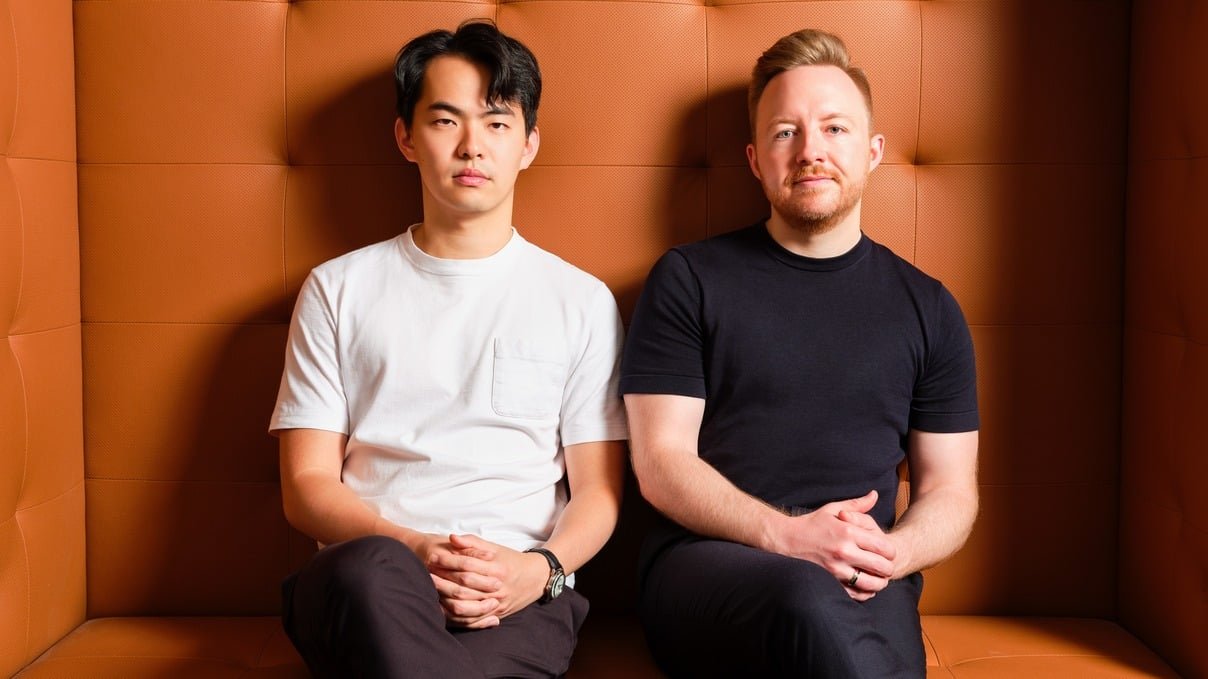
The company was co-founded by Sagan Schultz, MD, and David Deng. Schultz was Linear’s first product manager and a former McKinsey healthcare consultant. Deng was a first 10 engineer at Ramp and a former member of Flatiron Health’s clinical genomics team. The company is backed by Lux Capital, Box Group, and Sunflower Capital.
Schultz, who is also Sonata’s CEO, told Fierce Healthcare in an emailed statement that people “know more about their health than ever before,” yet little is “translated into actual care.”
“They’re tracking everything, they’re reading the research, they’re asking ChatGPT to make sense of it all, and they still don’t have anyone to take on that complexity for them,” Schultz said. “We built Sonata so they don’t have to.”
Schultz added that board-certified physicians “deeply examine” patients’ biology with continuity of care and the AI the company built in-house to help find patterns.
“AI connects the dots,” Schultz said. “All clinical decisions belong to the physician.”

Sonata is a new membership-based preventive health service.
This membership service is currently available to patients in New York, San Francisco, and Los Angeles. (Courtesy of Sonata)
Annual membership fees are $4,000, with “founding members” priced at $2,500 annually, according to the website. Membership includes unlimited continuing care from qualified physicians, at-home blood testing, clinical AI, genome sequencing, and more.
“Modern medicine is built on population averages, but the average individual does not exist,” Deng Xiaoping said in a statement. “People with a higher genetic predisposition to a disease may need different screening schedules, different monitoring, and different targets.”
Deng said the company’s clinical AI synthesizes members’ “genomics, epigenetics, biomarkers, health records against clinical guidelines” and current peer-reviewed research, allowing doctors to focus on listening to patients to build “truly individualized care plans.”
