


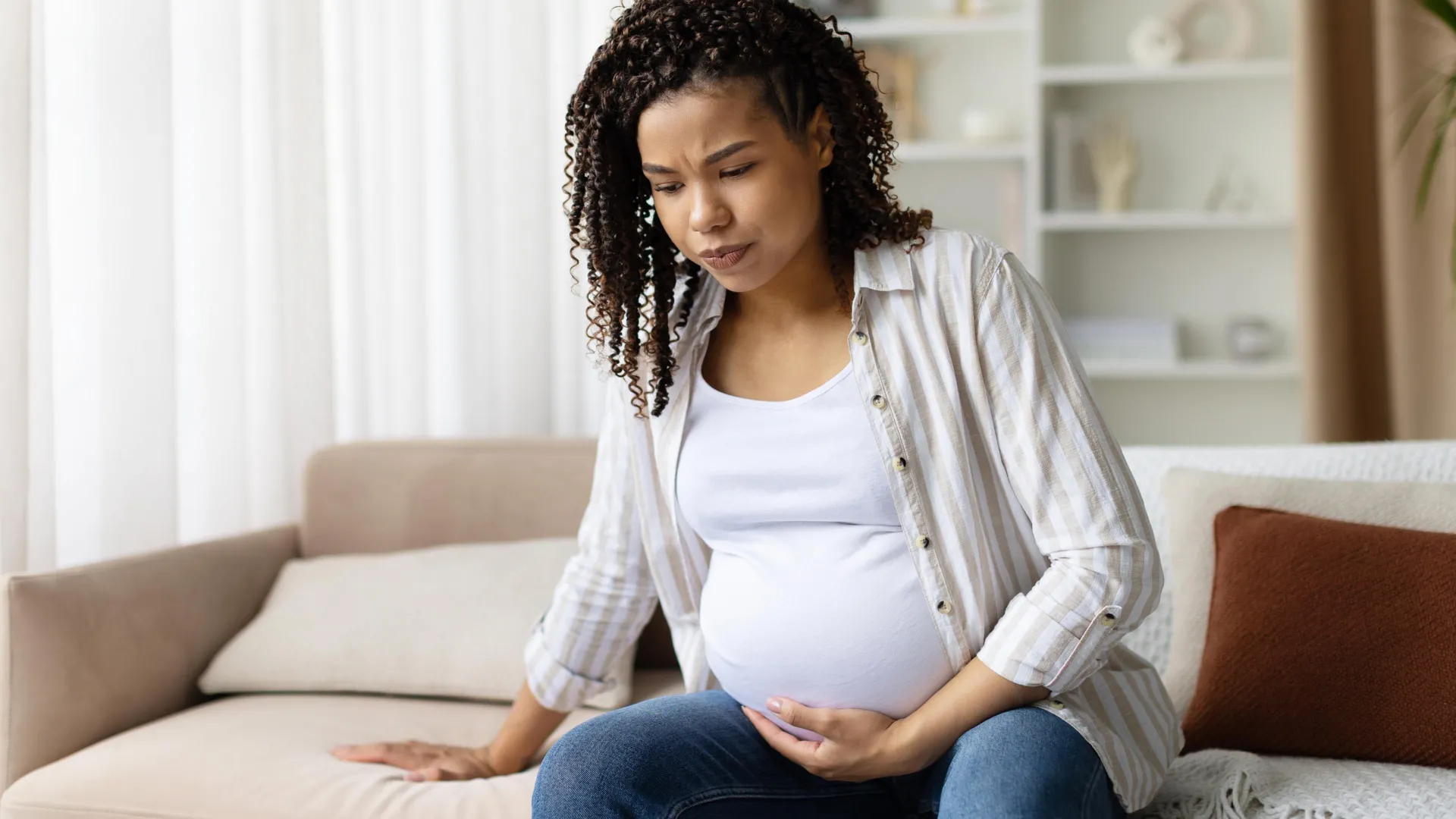
One of the largest studies ever conducted on chemical exposure during pregnancy found that pregnant women regularly encounter dozens of chemicals in their daily lives. Researchers say many of these substances can affect how quickly babies are born and how much they weigh at birth, both of which can have health effects beyond infancy.
The study, led by researchers from the UNC Gillings School of Global Public Health, Stanford University School of Medicine, and the Woods Institute for the Environment, JAMA network open.
Researchers found that participants were exposed to an average of 45 different chemicals. These include phthalates, alternative plasticizers, polycyclic aromatic hydrocarbons (PAHs), and halogenated phenols. These chemicals are found in food, drinking water, air pollution, personal care products, fragrances, and various household products.
“These chemicals are difficult to avoid because they are found in a wide range of products we use every day. It can be difficult to know whether a product contains a chemical, and even when we do, there are limits to how we can control exposure,” said lead author Dr. Jesse Buckley, professor of epidemiology at the Gillings School. “There are some practical steps people can take, but reducing harmful chemicals at the source is the most effective way to protect children and families.”
Phthalates and substitute chemicals remain widespread
Chemicals identified in this study included phthalates and alternative plasticizers. These substances are commonly used in products designed for babies and children, such as toys, diaper creams, shampoos, and other consumer products.
In 2017, the U.S. Consumer Product Safety Commission permanently banned or significantly restricted eight phthalates commonly used in children’s toys and products. Because exposure to these chemicals can cause harmful health effects. However, these restrictions did not apply to many other products that may be used during pregnancy.
The new study detected several phthalates in participants’ samples, including some that were introduced as replacements for previously restricted chemicals. Researchers also found various plasticizer compounds in urine samples collected during the study.
Survey of over 5,000 mother and child pairs
The analysis included data from more than 5,000 mothers and their children born between 2000 and 2021. The researchers measured chemicals in mothers’ urine samples and compared the results to gestational age and birth weight.
The research team tested 113 chemicals commonly found in homes, air, food, and water. On average, each sample contained 45 chemicals, but the maximum number detected in a single sample was 64. The researchers then assessed how these exposures were associated with differences in gestational age and birth weight.
Some phthalates and alternative plasticizers have been consistently associated with shorter gestation periods. Phthalates, alternative plasticizers, and PAHs were also associated with lower birth weight. Additionally, some of the less studied chemicals identified in the study, such as halogenated phenols, showed an association with lower birth weight.
Researchers also detected new plasticizers introduced as replacements for more widely recognized toxic chemicals such as phthalates. However, the study found that these substitute chemicals appeared to have similar health effects as the substances they were intended to replace.
Researchers call for stronger chemical safety policies
“Our study highlights the need for stronger policies to protect people from toxic chemicals,” said Dr. Tracy Woodruff, senior research fellow and professor of epidemiology and population health at Stanford University. “For example, we found that some new chemicals used as substitutes for toxic chemicals are also harmful. This highlights why new and alternative chemicals must be properly evaluated before they reach the market. Additionally, government agencies that assess the health risks of toxic chemicals like phthalates should incorporate our findings to reduce exposure and ensure healthier pregnancies.”
Buckley said the findings add to growing evidence of the importance of limiting exposure to chemicals during pregnancy.
“Our study, along with other similar findings, highlights the importance of reducing exposure to chemicals that affect pregnancy, as even small changes in birth weight or gestational age can have a major impact on a child’s health,” Professor Buckley said.
Woodruff noted that many sources of exposure are difficult for individuals to control themselves.
“Pregnant women are at risk of chemical exposure from multiple sources, many of which are beyond their control,” Woodruff said. “Governments and businesses need to do a better job of reducing harmful chemicals in everyday products and ensuring the safety of new chemicals, which leads to healthier children and families.”
Research reported in this publication was supported by the Environmental Effects on Child Health Outcomes (ECHO) Program of the National Institutes of Health Office of the Director.
