


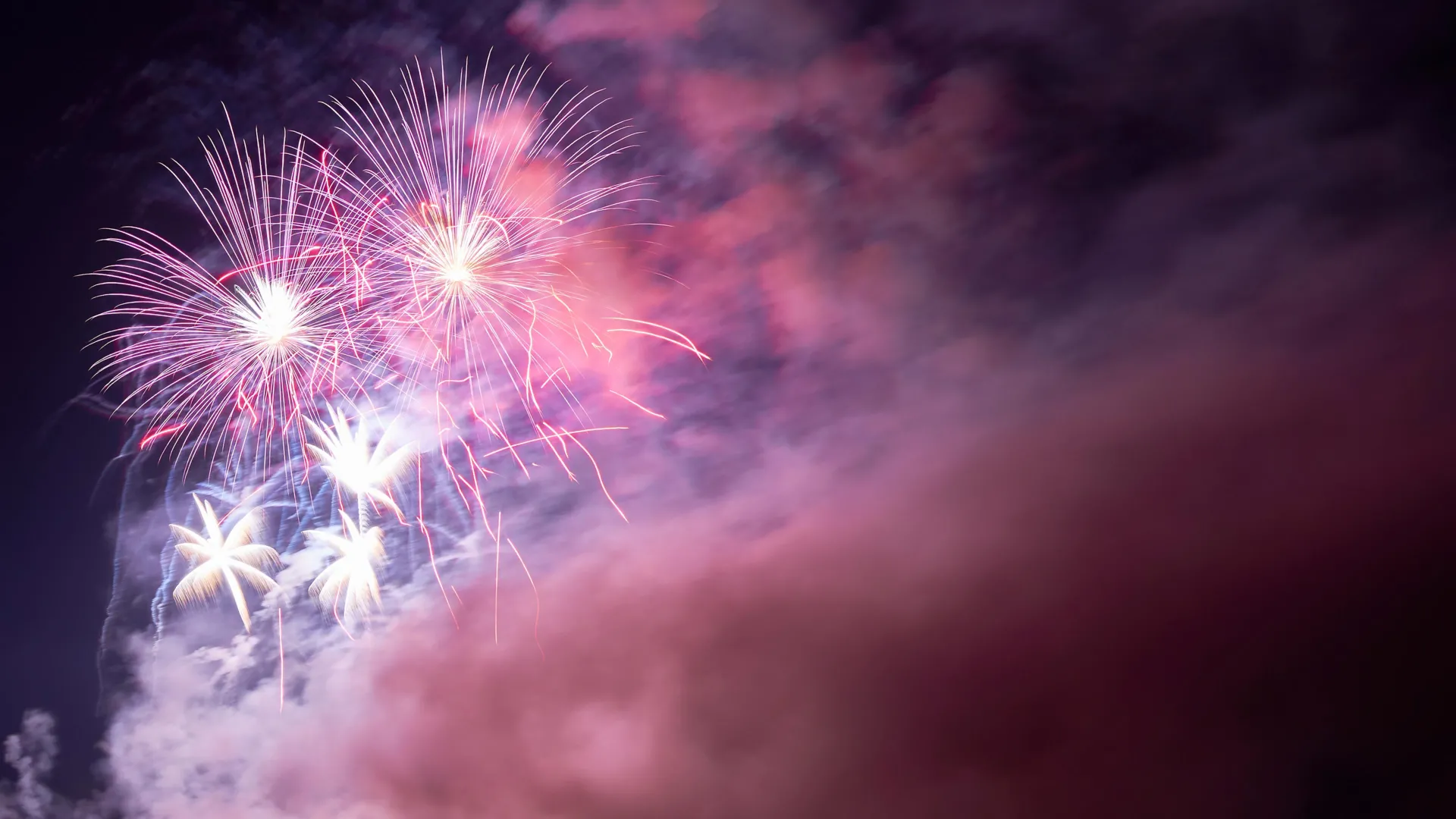
Fireworks may dazzle crowds with their bright colors and loud explosions, but new research shows their effects last long after the show is over. Three recent studies published in the journal of the American Chemical Society (ACS) examined what fireworks leave behind, from discarded debris and airborne particles to compounds released into the atmosphere.
Together, these findings provide a clearer picture of how fireworks can impact air quality, water chemistry, and potentially both human health and the environment.
Firecracker fragments can change water chemistry
Once fireworks burn out, they leave behind more than just ash. Spent firecrackers scatter residues that include partially burnt fuel, metal salts, additives, and pieces of burnt packaging.
In a laboratory study published in environmental science and technologyThe researchers found that when the debris is placed in lake or river water, it releases large amounts of metal ions (such as potassium and manganese) and dissolved organic matter (such as simple phenols and sulfur-containing compounds). At the same time, the solid material that remained absorbed some dissolved substances that were already present in the water, including larger and more complex compounds.
Researchers say these chemical changes can affect microbial communities and aquatic ecosystems, especially when large amounts of firecracker debris are repeatedly washed into rivers and lakes after festivals and celebrations. Proper collection and disposal of used fireworks can help reduce these environmental impacts.
Fireworks during large events increase air pollution
Fireworks are just one source of pollution at major public events, but researchers wanted to understand how much of an impact they have compared to other activities.
In a study published in ACS ES&T AirScientists monitored particulate matter during a multi-day large exercise event in the UK. They detected sharp short-term increases in both coarse and fine airborne particles throughout the event.
The researchers believed that much of the pollution was related to cooking emissions from food vendors and dust kicked up by vehicles. However, two different spikes of particulate matter were observed during the opening and closing ceremonies. The first outbreak occurred as crowds arrived and dust levels increased, and the second, slightly smaller spike coincided with the fireworks display.
Researchers estimate that people who attended events each day were exposed to air pollution levels that exceed the standards recommended by the World Health Organization, suggesting that large-scale celebrations can significantly increase exposure to fine particulate matter.
Fireworks release more than smoke into the air
Another study focused on chemicals called amines found in some firework formulations. These compounds can react in the atmosphere to form aerosols, contributing to cloudiness and poor air quality.
To find out what happens to these chemicals during fireworks displays, researchers measured amines in both gases and airborne particles during Lunar New Year celebrations in rural China.
The survey results are Environmental science and technology lettera significant increase in several amines was revealed compared to the non-celebration period. The biggest increases occurred in the largest fireworks displays. Scientists also recorded high levels of other fireworks-related pollutants, including particulate matter, sulfate ions, and potassium ions.
Researchers say the results suggest that fireworks contribute more than visible smoke to the haze that lingers after large celebrations, further increasing the environmental impact.
