


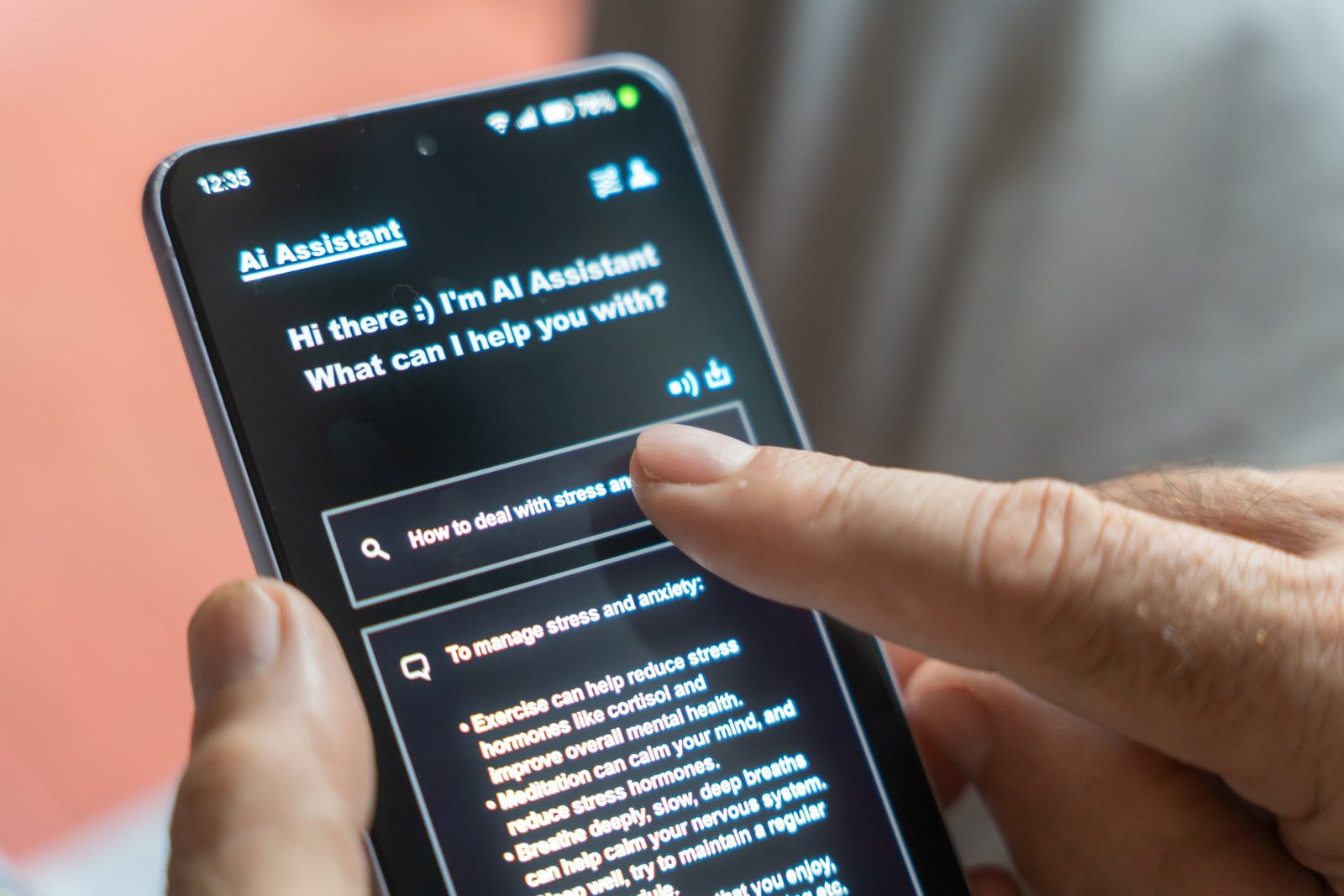
According to a recent KFF Tracking Poll on Health Information and Trust, approximately 3 in 10 adults self-report that they use social media (31%) or AI chatbots (29%) at least monthly for health information and advice.
KFF’s 2026 AI and Social Media Use Poll is part of the organization’s broader goal to track misinformation in the U.S. health care system and analyze its impact on patients. These polls were conducted in March 2026 and May 2026, respectively, and show individuals’ desire for quick information that can lead to inaccurate clinical care, KFF researchers noted.
Among those who used social media for healthcare advice, the three most frequently cited reasons for use were wanting to learn from others with the same health condition or sharing a similar experience (36%), wanting immediate information or support (35%), and not having a regular health care provider or not being able to afford to see a health care provider (17%).
Similarly, AI users report that their primary reason is wanting fast or immediate advice (65%), but other top reasons for using AI include wanting to look up information before deciding whether to see a health care provider (41%) and feeling more comfortable researching health matters personally (36%).
Those who turned to AI for health advice also cited affordability (19%) and barriers to access (18%) as the main reasons for using these tools. These percentages are similar to the social media statistics cited earlier, meaning that around one-fifth of adults believe affordability and access are the main factors for seeking advice from AI or social media.
A KFF poll found that access and affordability are rising as key drivers of AI and social media-based health advice among uninsured and LGBT adults. About one-third of these adults cited access and affordability barriers.
Demographically, younger adults are more likely to use social media and AI for health advice than older adults, while adults between the ages of 18 and 29 are more likely to rely on social media rather than AI. Adults between the ages of 30 and 49 are likely to rely on AI more frequently, as are adults with higher incomes and higher education.
“The vast majority of social media and AI users are confident in their ability to parse information that is true or false. That’s probably why so few take steps to verify information from doctors and other sources,” KFF researchers said.
According to a previous KFF poll published in March, approximately 42% of people who used AI for physical health advice had never consulted a doctor or other health professional. A KFF poll released in early June found that the majority of social media users (64%) say they often don’t follow up with their health care provider after using social media for health information.
KFF researchers said this lack of tracking is particularly concerning as they continue to monitor how AI spreads and how flawed and illegal health research is generated. A communication published in The Lancet in May identified more than 4,000 fabricated references across approximately 2.5 million biomedical papers published between 2023 and early 2026. Researchers noted that they have documented a growing presence of “paper mills” that produce and sell fraudulent academic papers.
“AI is increasingly involved in multiple stages of the scientific information ecosystem, from generating content and citations to searching and summarizing published research. Weaknesses in one part of the system can spill over into others, as fabricated references, fraudulent articles, and other forms of low-quality research become difficult to distinguish from legitimate scholarship,” KFF researchers wrote. “New efforts are underway to detect paper mills, verify references, and improve the reliability of AI, but people are already using AI tools to answer health questions.”
