

Close Menu

    Subscribe to Updates

    Get the latest creative news from FooBar about art, design and business.

    What's Hot

    Artificial intelligence models show major gaps with traditional human intelligence tests

    June 29, 2026

    3 in 10 adults use AI or social media for health information

    June 29, 2026

    A simple blood test could identify the most effective obesity drugs

    June 29, 2026
    Facebook X (Twitter) Instagram
    Facebook X (Twitter) Instagram
    Health Magazine
    • Home
    • Environmental Health
    • Health Technology
    • Medical Research
    • Mental Health
    • Nutrition Science
    • Pharma
    • Public Health
    • Discover
      • Daily Health Tips
      • Financial Health & Stability
      • Holistic Health & Wellness
      • Mental Health
      • Nutrition & Dietary Trends
      • Professional & Personal Growth
    • Our Mission
    Health Magazine
    Home » News » 3 in 10 adults use AI or social media for health information
    Health Technology

    3 in 10 adults use AI or social media for health information

    healthadminBy healthadminJune 29, 2026No Comments4 Mins Read
    3 in 10 adults use AI or social media for health information
    Share
    Facebook Twitter Reddit Telegram Pinterest Email


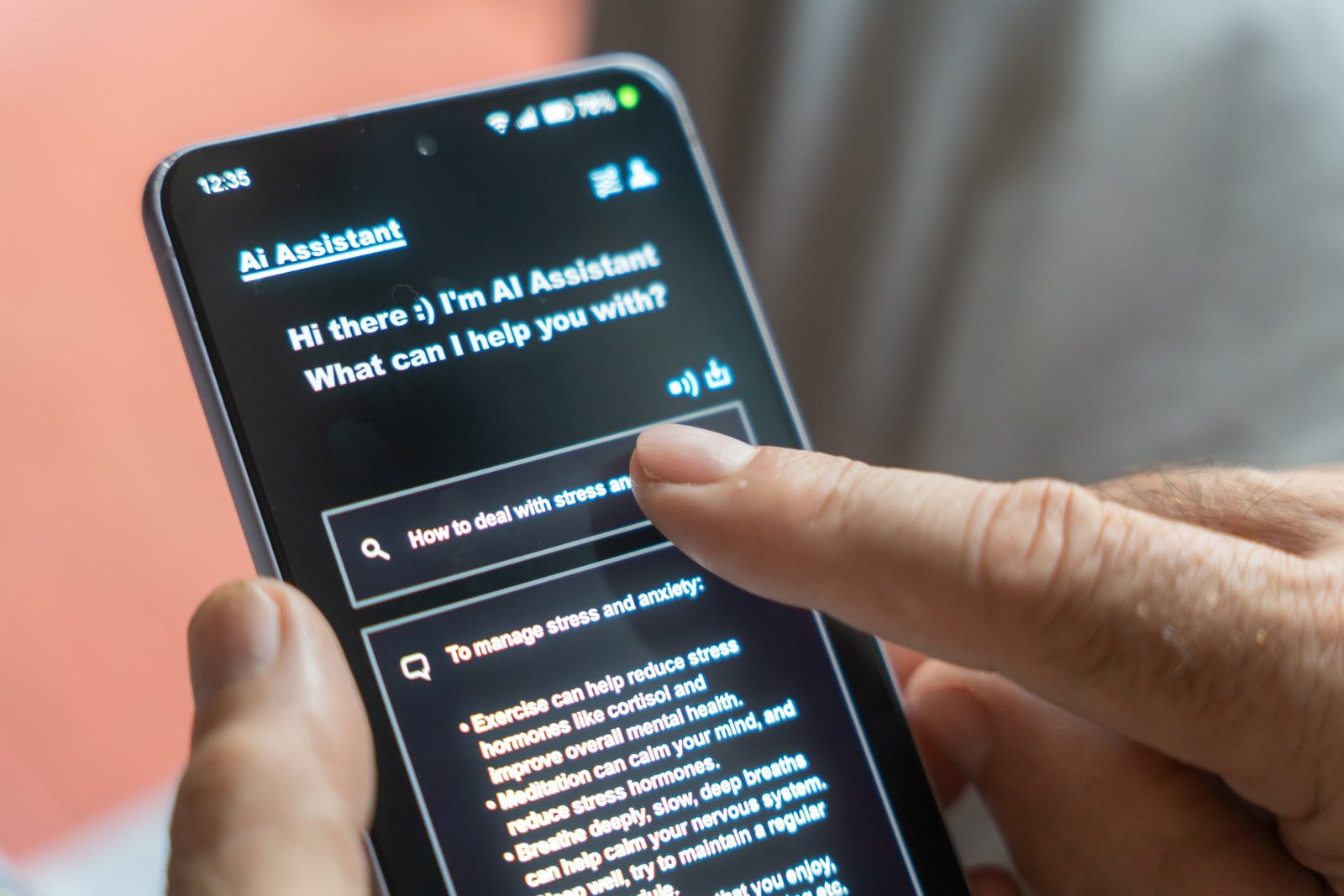
    According to a recent KFF Tracking Poll on Health Information and Trust, approximately 3 in 10 adults self-report that they use social media (31%) or AI chatbots (29%) at least monthly for health information and advice.

    KFF’s 2026 AI and Social Media Use Poll is part of the organization’s broader goal to track misinformation in the U.S. health care system and analyze its impact on patients. These polls were conducted in March 2026 and May 2026, respectively, and show individuals’ desire for quick information that can lead to inaccurate clinical care, KFF researchers noted.

    Among those who used social media for healthcare advice, the three most frequently cited reasons for use were wanting to learn from others with the same health condition or sharing a similar experience (36%), wanting immediate information or support (35%), and not having a regular health care provider or not being able to afford to see a health care provider (17%).

    Similarly, AI users report that their primary reason is wanting fast or immediate advice (65%), but other top reasons for using AI include wanting to look up information before deciding whether to see a health care provider (41%) and feeling more comfortable researching health matters personally (36%).

    Those who turned to AI for health advice also cited affordability (19%) and barriers to access (18%) as the main reasons for using these tools. These percentages are similar to the social media statistics cited earlier, meaning that around one-fifth of adults believe affordability and access are the main factors for seeking advice from AI or social media.

    A KFF poll found that access and affordability are rising as key drivers of AI and social media-based health advice among uninsured and LGBT adults. About one-third of these adults cited access and affordability barriers.

    Demographically, younger adults are more likely to use social media and AI for health advice than older adults, while adults between the ages of 18 and 29 are more likely to rely on social media rather than AI. Adults between the ages of 30 and 49 are likely to rely on AI more frequently, as are adults with higher incomes and higher education.

    “The vast majority of social media and AI users are confident in their ability to parse information that is true or false. That’s probably why so few take steps to verify information from doctors and other sources,” KFF researchers said.

    According to a previous KFF poll published in March, approximately 42% of people who used AI for physical health advice had never consulted a doctor or other health professional. A KFF poll released in early June found that the majority of social media users (64%) say they often don’t follow up with their health care provider after using social media for health information.

    KFF researchers said this lack of tracking is particularly concerning as they continue to monitor how AI spreads and how flawed and illegal health research is generated. A communication published in The Lancet in May identified more than 4,000 fabricated references across approximately 2.5 million biomedical papers published between 2023 and early 2026. Researchers noted that they have documented a growing presence of “paper mills” that produce and sell fraudulent academic papers.

    “AI is increasingly involved in multiple stages of the scientific information ecosystem, from generating content and citations to searching and summarizing published research. Weaknesses in one part of the system can spill over into others, as fabricated references, fraudulent articles, and other forms of low-quality research become difficult to distinguish from legitimate scholarship,” KFF researchers wrote. “New efforts are underway to detect paper mills, verify references, and improve the reliability of AI, but people are already using AI tools to answer health questions.”


    Source link

    Visited 3 times, 3 visit(s) today
    Share. Facebook Twitter Pinterest LinkedIn Telegram Reddit Email
    Previous ArticleA simple blood test could identify the most effective obesity drugs
    Next Article Artificial intelligence models show major gaps with traditional human intelligence tests
    healthadmin

    Related Posts

    Doctronic and Simple HealthKit partners to connect at-home screening with AI-powered clinical care

    June 29, 2026

    Industry Voices — 3 healthcare takeaways from the Pope’s AI encyclical

    June 26, 2026

    OpenAI touts GPT-5.5 instant health feature

    June 26, 2026

    Oracle and Theator collaborate to integrate AI-powered OR analytics

    June 26, 2026

    Upside Raises $20M in Series A to Expand Housing Assistance Platform

    June 25, 2026

    First Stop Health expands weight management program

    June 25, 2026
    Add A Comment
    Leave A Reply Cancel Reply

    Categories

    • Daily Health Tips
    • Discover
    • Environmental Health
    • Exercise & Fitness
    • Featured
    • Featured Videos
    • Financial Health & Stability
    • Fitness
    • Fitness Updates
    • Health
    • Health Technology
    • Healthy Aging
    • Healthy Living
    • Holistic Healing
    • Holistic Health & Wellness
    • Medical Research
    • Medical Research & Insights
    • Mental Health
    • Mental Wellness
    • Natural Remedies
    • New Workouts
    • Nutrition
    • Nutrition & Dietary Trends
    • Nutrition & Superfoods
    • Nutrition Science
    • Pharma
    • Preventive Healthcare
    • Professional & Personal Growth
    • Public Health
    • Public Health & Awareness
    • Selected
    • Sleep & Recovery
    • Top Programs
    • Weight Management
    • Workouts
    Popular Posts
    • 1773313737_bacteria_-_Sebastian_Kaulitzki_46826fb7971649bfaca04a9b4cef3309-620x480.jpgHow Sino Biological ProPure™ redefines ultra-low… March 12, 2026
    • pexels-david-bartus-442116The food industry needs to act now to cut greenhouse… January 2, 2022
    • 1773729862_TagImage-3347-458389964760995353448-620x480.jpgDespite safety concerns, parents underestimate the… March 17, 2026
    • 1773209206_futuristic_techno_design_on_background_of_supercomputer_data_center_-_Image_-_Timofeev_Vladimir_M1_4.jpegMulti-agent AI systems outperform single models… March 11, 2026
    • 1774403998_image_28620e4b6b0047f7ab9154b41d739db1-620x480.jpgGait pattern helps distinguish between Lewy body… March 24, 2026
    • Leukemia-620x480.jpgBiomimetic platform powers CAR T therapy for… March 9, 2026

    Demo
    Stay In Touch
    • Facebook
    • Twitter
    • Pinterest
    • Instagram
    • YouTube
    • Vimeo
    Don't Miss

    Artificial intelligence models show major gaps with traditional human intelligence tests

    By healthadminJune 29, 2026

    Artificial intelligence programs designed to process and generate text exhibit very high linguistic reasoning abilities,…

    3 in 10 adults use AI or social media for health information

    June 29, 2026

    A simple blood test could identify the most effective obesity drugs

    June 29, 2026

    Clarifying the 2025-2030 Dietary Guidelines Contradictions

    June 29, 2026

    Subscribe to Updates

    Get the latest creative news from SmartMag about art & design.

    HealthxMagazine
    HealthxMagazine

    At HealthX Magazine, we are dedicated to empowering entrepreneurs, doctors, chiropractors, healthcare professionals, personal trainers, executives, thought leaders, and anyone striving for optimal health.

    Our Picks

    Clarifying the 2025-2030 Dietary Guidelines Contradictions

    June 29, 2026

    Doctronic and Simple HealthKit partners to connect at-home screening with AI-powered clinical care

    June 29, 2026

    988 Hotline, Private ER, Pulmonary Hypertension: Morning rounds

    June 29, 2026
    New Comments
      Facebook X (Twitter) Instagram Pinterest
      • Home
      • Privacy Policy
      • Our Mission
      © 2026 ThemeSphere. Designed by ThemeSphere.

      Type above and press Enter to search. Press Esc to cancel.