


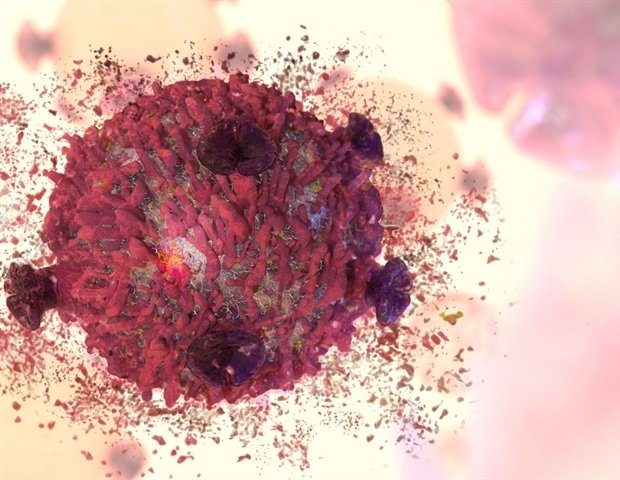
Conventional cancer treatments such as chemotherapy and radiotherapy can induce immunogenic cell death (ICD), but their efficacy is often limited by drug resistance, severe off-target toxicity, and immune-related adverse events. Additionally, the immunosuppressive tumor microenvironment often compromises the ability of these treatments to elicit a long-lasting, body-wide immune response. As a result, many tumors remain “cold” and unresponsive to advanced immunotherapies, including immune checkpoint inhibitors (ICIs). The gut microbiota contributes to cancer development and therapeutic modulation through chronic inflammation, direct DNA damage, and metabolite-mediated signaling pathways such as Wnt/β-catenin and nuclear factor-κB. Based on these challenges, in-depth studies on novel biocompatible agents that can safely and efficiently trigger ICDs, such as the human body’s own microbiota, are urgently needed.
Researchers from China Medical University Cancer Hospital and Liaoning Cancer Hospital and Research Institute in Shenyang, China, published a comprehensive review on this topic (DOI: 10.20892/j.issn.2095-3941.2025.0769). This study will be published in the May 2026 issue. Cancer biology and medicine. The research team details how bacteria, viruses, fungi, and their metabolic byproducts trigger ICD. Their studies show that these microbial agents reshape the tumor microenvironment (TME) and activate long-term systemic antitumor immunity, presenting a promising new frontier for combination therapy in cancer.
This review focuses on the multiple mechanisms by which microorganisms induce ICD. infectious disease Pseudomonas aeruginosa It causes tumor cell necrosis through phosphorylation of receptor-interacting protein kinase 3 (RIP3) and mixed lineage kinase domain-like protein (MLKL) and release of high mobility group box 1 (HMGB1). This is a feature of ICD. Similarly, when infected with melanoma cells, Typhimurium It causes cytoplasmic vacuolization and increased extracellular adenosine triphosphate (ATP) release, allowing efficient phagocytosis by antigen-presenting cells (APCs). Among probiotics, Bacillus casei ATCC 393 treatment upregulates death receptor FS7-related cell surface antigen and death receptor 4/5, and simultaneously promotes calreticulin (CRT) surface exposure and HMGB1 nuclear translocation. Beyond bacteria as a whole, fungal metabolites are powerful inducers. compounds from Aspergillus burns MHO7, called MHO7, causes the generation of reactive oxygen species (ROS) and activates the protein kinase R-like ER kinase/eukaryotic initiation factor 2α/activated transcription factor 4/C/EBP homologous protein (PERK/eIF2α/ATF4/CHOP) pathway, causing triple-negative breast cancer cells to release DAMPs and recruit CD4+ and CD8+ T cells while decreasing regulatory T (Treg). cell. This review also investigates how short-chain fatty acids (SCFAs) are produced by beneficial gut bacteria, including: Faecalibacteriumenhances CD8+ T cell cytotoxicity through the G protein-coupled receptor 109A/homeodomain-only protein homeobox signaling pathway.
“The advantage of this approach is that it turns cell death, a fundamental biological process, into a powerful alarm signal for the immune system,” the authors explained. “We don’t just kill tumor cells; we use microbes to fundamentally change how the body recognizes and attacks tumor cells. By reprogramming the tumor microenvironment, we may be able to turn a patient’s own gut bacteria into a powerful ally against cancer.” It’s not just about adding another drug; it’s about rewiring the existing relationship between the microbiome and the immune system to create a durable, personalized anti-tumor response. ”
This research opens several treatment avenues. Engineered bacterial strains such as attenuated Salmonella VNP20009 and Bifidobacterium spp. When combined with nanomaterials loaded with photothermal and chemotherapeutic agents, it can function as a highly efficient drug delivery vector that specifically accumulates in hypoxic tumors. Strategically combining probiotics with standard chemotherapy or ICIs may synergistically enhance therapeutic efficacy. Furthermore, simple dietary interventions, such as increasing fiber intake to generate anti-tumor SCFAs, provide a supportive strategy to modulate the gut microbiota and enhance ICD. The implications for patients, especially those resistant to current immunotherapies, are profound. By turning “cold” tumors into “hot” tumors, these microbial-based strategies could make immunotherapy effective for more people and turn the tide against hard-to-treat cancers such as pancreatic ductal adenocarcinoma (PDAC) and triple-negative breast cancer.
sauce:
Chinese Academy of Sciences
Reference magazines:
Lee, Y. others. (2026). Microbial reprogramming of immunogenic cell death: a new paradigm in tumor immunotherapy. Cancer biology and medicine. DOI: 10.20892/j.issn.2095-3941.2025.0769. https://www.cancerbiomed.org/content/early/2026/05/20/j.issn.2095-3941.2025.0769
