


Recent systematic reviews published in quarterly public opinion suggests that voters’ level of sexism is an important predictor of their political attitudes and vote choices. By analyzing nearly 100 previous studies, the study provides evidence that different types of prejudice shape everything from support for right-wing candidates to opinions on climate policy. The findings highlight how deeply held beliefs about gender roles continue to influence the contemporary political landscape.
Michał Gurczynski, a postdoctoral researcher at the European University Institute in Florence, Italy, conducted the study to understand how pervasively gender discrimination influences political behavior. The 2016 US presidential election sparked interest in this topic. Gurczynski found that while many studies looked at that specific election, it remained unclear how well the results applied to other political contexts and policy questions.
“My personal motivation was to better understand the new field of literature that I wanted to enter,” Gurczynski said. “I am currently developing a research question regarding attitudes toward men as a predictor of political behavior.”
He explained that now is the perfect time to assess existing evidence to find out what the scientific community really knows. “Academically, I observed a lot of research being published on sexism and politics, and I knew that the European Social Survey included a module on sexism that led to a lot of research (comparative or in single European countries),” he said. “This seemed like the perfect time to summarize the literature, make sense of it, and identify gaps. In fact, we identified 97 studies, which is already a significant number.”
To understand the findings, it helps to understand how scientists define and measure sexism. Psychological research tends to divide sexism into several different categories. Gurczynski pointed out that the academic definition of bias is often different from the way people talk about it in everyday life.
“It’s important to understand that academics have a much more nuanced understanding of ‘sexism’ than is commonly used in everyday parlance,” he says. He analyzed the main definitions used in academic research and focused on two main concepts. “Most importantly, we distinguish between: hostile sexism: a negative attitude in which women seek to gain power by controlling men; benevolent sexism: attitudes that appear positive or ‘chivalrous’, such as the idea that women have ‘superior moral sensibilities’.”
A third concept frequently measured by scientists is modern sexism. People with high levels of modern sexism tend to deny that discrimination against women is still a problem in society. They also show hostility to women’s demands for equality and oppose policies designed to help them. Researchers have investigated how these different biases influence individuals’ political decisions.
To conduct the review, Gluczynski searched two large academic databases for studies containing keywords related to sexism and political behavior. He specifically looked for studies based on quantitative research, that is, studies that relied on numerical data collected from questionnaires. One of the main challenges he faced was the lack of consistency across the existing literature.
The “sheer diversity of approaches” was a big surprise, Gurczynski said. “One of the most striking findings was that the operationalization of sexism, that is, how surveys actually define and measure sexism, was rarely repeated across studies. This lack of standardization makes comparative studies difficult, and was the primary motivation for providing a comprehensive list of these different measures in the supplementary material.”
After excluding duplicate records and papers that did not meet the criteria, he analyzed exactly 97 peer-reviewed studies. The studies collected included a variety of sample sizes and were focused on the United States. Of the 97 studies, 75 focused solely on American voters, and 39 focused specifically on the 2016 presidential election. A small number of studies looked at other countries, including three from New Zealand, two from Australia, two from Canada, two from Spain, and two from the United Kingdom. The most frequently measured concept was hostile sexism, which appeared in 61 publications.
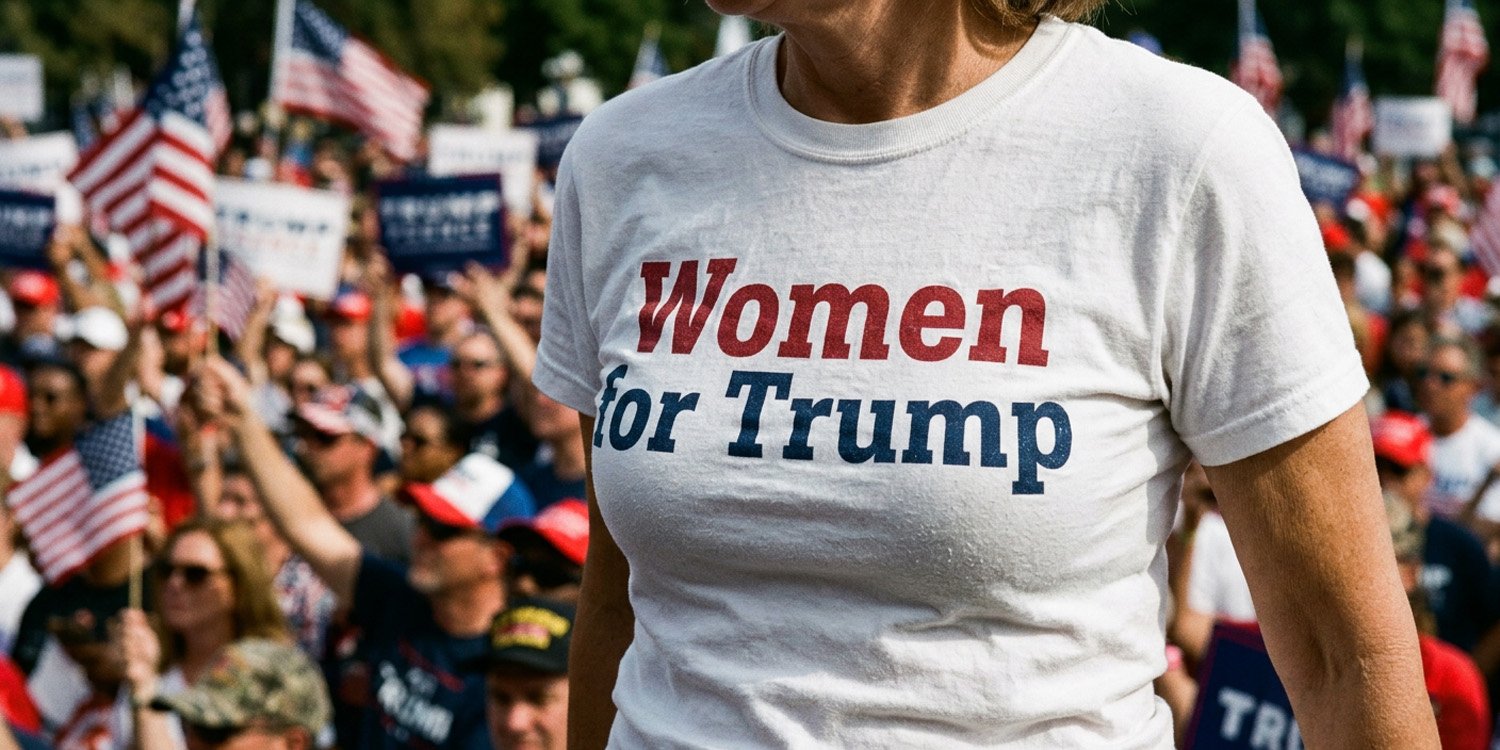
This research provides evidence that bias plays a major role in modern elections. “The most important lesson is that sexism has been proven to be a statistically significant and substantively relevant predictor of political preferences and behavior, and in many cases a stronger predictor of voting patterns and attitudes than an individual’s gender,” Gurczynski said. Voters scoring high on hostile or modern sexism were significantly more likely to support Donald Trump and oppose Hillary Clinton.
This pattern extends far beyond the United States. “While much research has focused on hostile sexism and the 2016 US election, my research shows that sexism is associated with a wide range of political preferences and behaviors, including support for far-right parties and policy preferences in Europe,” Gurczynski added. “Furthermore, this study highlights that ‘sexism’ is not a monolithic concept; different types of sexist attitudes can lead to very different political behaviors. Scholars need to be careful and precise when operationalizing sexism in research and interpreting results.”
When it comes to female candidates, the impact of bias depends largely on the type of sexism held by voters. Hostile modern sexism consistently predicts that people are less likely to vote for female candidates. Voters with these attitudes tend to view female politicians as less likely to be elected and react negatively to women who violate traditional gender expectations. When a female candidate runs, hostile sexists are less likely to ask for information about her and more likely to judge her harshly.
Benevolent sexism affects voters in different ways. This review shows that, like hostile sexism, benevolent sexism does not reliably predict opposition to women candidates. In some cases, female candidates who were actively attacked during the campaign actually gained favor with well-meaning sexists. This likely occurs because negative aggression triggers paternalistic instincts to protect women who are perceived as vulnerable.
Gender discrimination also shapes policy preferences, particularly regarding bodily autonomy. Collectively, studies show that benevolent sexism is a strong predictor of opposition to abortion, as it respects women who follow the traditional role of self-sacrificing mother. These gender biases also spill over into policy areas not explicitly related to women’s rights. This review highlights that hostile modern sexism is associated with opposition to climate change policies and negative attitudes towards immigration.
Although the research is extensive, there are certain limitations. It is difficult to definitively prove that sexist attitudes directly cause, rather than simply correlate with, certain voting behaviors. “Sexism is often a stronger predictor of political preferences than gender itself,” Gurczynski says. “However, caution should always be used when interpreting associations between attitudes, as causal relationships are difficult to disentangle.”
Another limitation is the lack of demographic diversity in the analysis and the age of the measurement tools. “In my opinion, this review highlights the need to update approaches to sex discrimination research and measurement, as the primary measures were developed almost 30 years ago,” Gurczynski said. “Social realities have changed significantly since then. Some gender disparities, such as in educational attainment, have been reversed.”
He also emphasized the need to focus on broader geography and demographics. “We also need to expand research outside the United States to understand how sexism operates in different cultural and institutional contexts,” he said. “Finally, we found little research on how the political relevance of sexism varies by age group, social class, and rural-urban divide.”
In the future, the authors suggest investigating how similar biases affect men. “We also know that similar attitudes toward men exist. However, the relevance of men in politics has been little studied, with only two papers in my entire review addressing it,” Gurczynski said.
He is already taking steps to fill this gap in the literature in future projects. “I’ve been doing research on hostile sexism and benevolent sexism against men and how that relates to political attitudes,” he explained. “For example, can we explain why so many people support unequal military obligations? Does that contribute to the polarization between young women and men?”
The study, “Gender discrimination as a predictor of political attitudes and voting behavior: A systematic review,” was authored by Michał Gurczynski.
